Tess Times a Paper Cup at the Hot Spring - 適合進階的英文短篇故事,含中譯與發音
Tess 在溫泉邊為紙杯計拍 | 英文/中文 雙語朗讀

Story Content
English Original
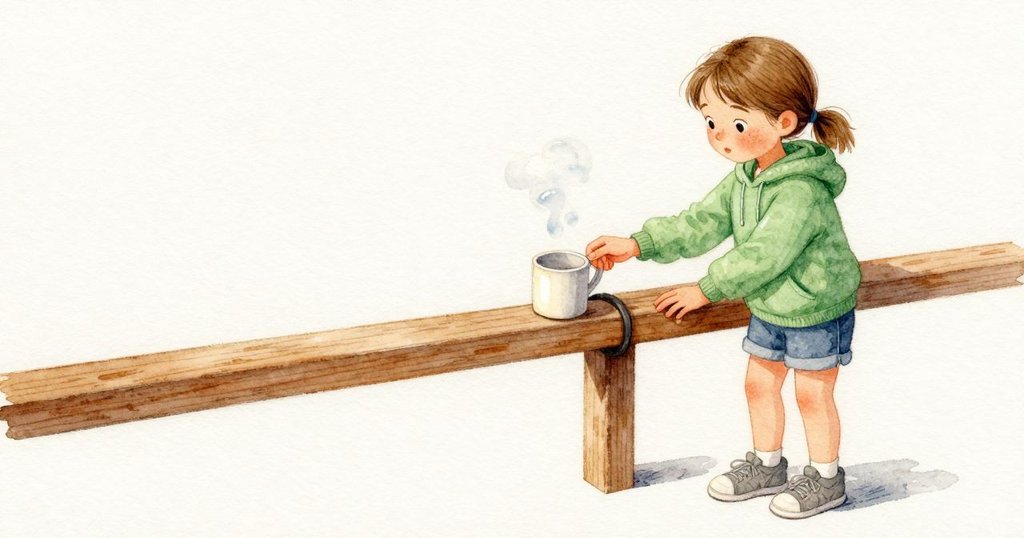
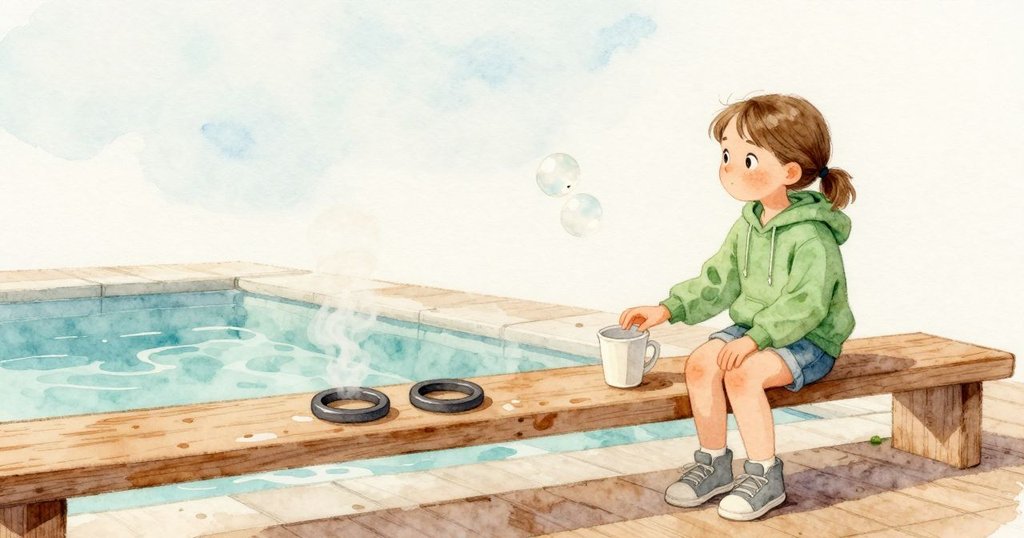
A paper cup stood upside down on the boardwalk rail, and a drop ticked from its rim with the steadiness of a quiet metronome.
The rail beneath it darkened in a perfect ring, though only a thin wash of steam drifted up and then broke apart.
Bubbles rose from the pool’s center in pulses, an irregular measure that the eye could count but not predict, and the steam columns thickened, thinned, and then subsided.
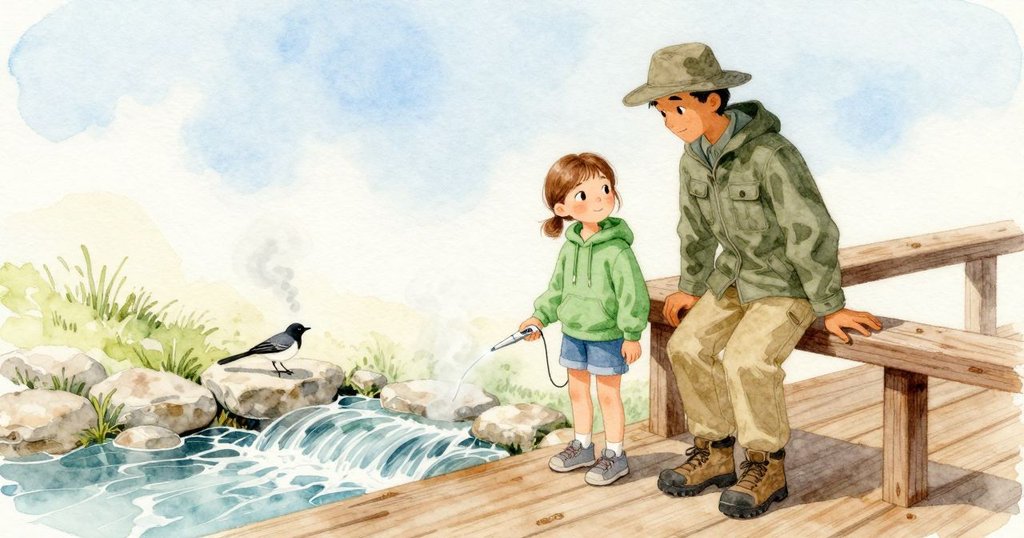
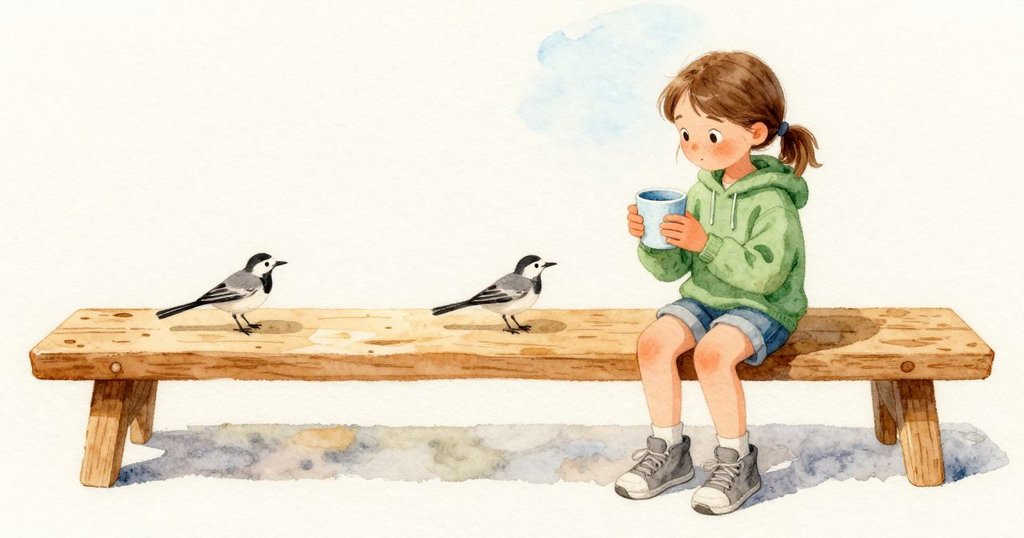
Warmth climbed through the railing into Tess’s palms as she leaned, while a wagtail hopped the pale travertine lip and lifted off when the vapor brushed its tail.
Above everything, the heavens opened in a pale blue sheet, and far along the boardwalk a family’s light merriment scattered in short bursts between the ranger’s pauses.
“Still steady,” the ranger said, dipping a small thermometer into the overflow channel.
“Just counting,” Tess answered, as her fingers drummed the rail between pulses.
The drip from the cup kept its own cadence, landing on the wood, then waiting, then landing again, slower now as the rail warmed.
Tess slid her hand toward the cup; condensation clung the rim to the rail, so the first lift met a soft stick and then released with a sigh she felt through her fingertips.
Half-raised, the cup hovered, her wrist paused in the air as one warm bead found the back of her hand and spread in a thin oval.
She tilted the cup a fraction and watched another drop gather at the edge like a small clock hand waiting for the next tick.
Down in the basin, the surface dimples formed and vanished with no current to chase, and the overflow traced its own unhurried interval into the side channel.
Tess matched her breathing to the pool’s uneven rhythm and then let it slip free when the next pulse arrived late, as the steam swelled once, faltered, and subsided again.
The counts in her head drifted out of sync: drip-beat, bubble-beat, rail-tap, each with its separate tempo.
Her knuckles rested on the warm wood while the wagtail returned, hopped twice, and then held still between beats.
She turned back to the paper cup and rolled it in her hands; the paper felt slightly softened, the fibers rough against the pads of her thumbs, and a tiny glint marked the base.
Angling it toward the sky, she found a pinprick of daylight: a neat puncture near the rim that let condensed water collect inside and then escape in those measured ticks.
The rail’s wet ring now showed a darker crescent where the last drop had spread, and the faint smell of minerals lifted from the warm slat.
She looked once more into the pool’s center, counted a late bubble, and then set the cup beside the first ring.
The cup felt faintly warm now; Tess turned it so the puncture faced the heavens and pressed a fingertip over the hole.
繁體中文 Translation
一個紙杯倒扣在木製棧道的欄杆上,杯緣滴下一顆水珠,節奏穩定,像一支安靜的節拍器。
杯下的欄杆被染成一個圓圈,雖然只有薄薄一層蒸氣升起,又在半空分散。
池心的氣泡以一種不規則的拍子往上冒,眼睛能數,但無法預先抓到,蒸氣的柱狀影又厚又薄,最後緩緩消退。
Tess 身子靠著欄杆,溫度順著木頭爬進她的手掌,一隻鶺鴒沿著淡色的石灰華邊緣跳著走,蒸氣拂到尾羽時,它騰空離開。
在一切之上,天空展開一面淡藍的帷幕,棧道遠處一家人零星傳來輕快的歡笑聲,穿插在巡護員每次停筆之間。
「還是穩定。」巡護員把一支小溫度計浸進溢流的小水道。
「我只是在數。」Tess 說,她的手指在兩次脈動之間輕敲欄杆。
那個杯子繼續照著自己的拍點滴落,落在木頭上,再停住,再落下一顆,當欄杆變暖時,速度更慢了些。
Tess 把手滑向紙杯;凝結的水氣讓杯緣黏著欄杆,第一次提起時微微黏住,接著鬆開,那股鬆脫感透過指尖傳來。
杯子半舉在空中,她的手腕停了一下,一顆溫熱的水珠落在手背,攤成一枚細薄的橢圓。
她把杯子輕輕一傾,看著另一顆水珠在邊緣聚起,像小小指針等著下一下。
盆地裡,水面的小凹陷生起又消失,沒有可追逐的水流,溢流口把自己的節拍送進旁側的小渠。
Tess 曾把呼吸配上池水不勻的節律;下一次脈動來得晚時,呼吸便鬆了開去,蒸氣先鼓起一下,又頓住,然後再度消退。
腦中的計數開始錯位:滴落的拍、氣泡的拍、欄杆的敲擊,各自走在不同的速度上。
她的指節靠在溫熱的木頭上,那隻鶺鴒又回來,跳了兩下,在兩個拍點之間靜住。
她把紙杯轉到掌中,紙面微微變軟,纖維在拇指指腹下粗糙摩擦,杯底有一點微亮。
她把它對準天空傾起,在杯緣附近找到一個細小的光點:一處整齊的微孔,讓凝結在杯內的水聚起,再以那種量好的間隔滲出。
欄杆上的濕圈此刻呈現更深的一弧,最後一滴擴散後留下的形狀,溫熱的木頭帶起淡淡礦物的氣味。
她又看向池心,數到一個來得更晚的氣泡,然後把紙杯擺回最初的圓圈旁。
杯身現在帶著微溫;Tess 把那個微孔朝向天空轉好,並用指尖按住那個小洞。
Vocabulary in Context
- heavens
天空;天幕(文學或詩意用法,指整片天空)
“Over the basin, the heavens stretched pale and blank, a cool sheet above the thinning steam.”
在水池上方,天空攤展得蒼淡無痕,像一張涼薄的布罩在漸淡的蒸氣上。
- irregular
不規則的;不勻稱的;難以預測節奏的
“Bubbles rose in an irregular measure, countable to Tess yet refusing the steady beat her fingers tapped.”
氣泡以不規則的拍子升起,泰絲數得出來,卻不肯順著她手指敲出的穩定節拍。
- puncture
小孔;穿刺造成的洞
“She lifted the cup and found a tiny puncture by the rim, source of those patient ticks.”
她抬起紙杯,發現杯緣旁有個細小的孔,那正是那些耐心滴答的來源。
- subside
減弱;平息;慢慢回落
“The steam rose, hesitated, then subsided, and her counting slipped as the next pulse wandered late.”
蒸氣攀升、遲疑,接著回落,她的計數也在下一次遲到的脈動裡走了調。
- merriment
歡笑;愉快的嬉鬧聲(輕快而不喧鬧)
“Far down the boards, soft merriment flitted between the ranger’s pauses, bright yet quickly gone.”
在木道遠處,輕柔的歡笑在解說員停頓間穿梭,明亮卻轉瞬即逝。
Teacher's Spark
AI-generated teaching prompts to help teachers extend a story
Story Discussion - 棧道節拍
文中有哪些具體的感官細節(聲音、溫度、觸感或氣味)最強烈地讓你感受到現場?請列出至少三項,並說明每一項如何貢獻於整體氛圍。
開放式參考答案
1) The steady tick of drops from the paper cup — it sets a calm, metronomic pace that structures the scene. 2) Warmth climbing through the railing into Tess’s palms — this tactile detail makes the thermal presence of the pool immediate and intimate. 3) The faint smell of minerals from the warm slat — it situates the setting as natural and slightly medicinal, reinforcing the geothermal environment. 4) The irregular pulses of bubbles in the pool — they contrast with the steady drip and introduce an unpredictable, organic rhythm. 5) Condensation making the cup stick and then sigh — that small tactile release heightens attention to tiny changes and the fragility of the moment.
欄杆上的滴落速度為何會隨著時間變慢?試從文中物理與環境線索推論原因。
開放式參考答案
The rail warmed over time, so less condensation formed and droplets took longer to collect and fall; as the wood absorbed heat and the surrounding steam changed, the balance between condensation and evaporation shifted, slowing the cadence of drops.
從紙杯的微孔到Tess 將指尖按住小洞,描述一個三步的因果連鎖:每一步發生了什麼,如何促成下一步的發生?
開放式參考答案
Step 1: A tiny puncture near the rim lets condensed water collect inside the cup and escape in measured ticks. Step 2: Those ticks land on the rail and create wet rings and localized warming from the warm drops and steam, which alters the rail’s temperature and texture. Step 3: The changing warmth and the cup’s persistent dripping shift Tess’s attention and bodily rhythm (she feels warmth, matches her breathing to the pool), leading her to finally cover the hole with her fingertip to stop or control the drip.
作者是否把紙杯的穩定滴落用作一種象徵,表示人物想要測量或控制時間的努力?(是/否,並簡短說明你的理由)
是非題參考答案
Yes — the cup’s steady dripping functions like a personal metronome that Tess counts against the pool’s irregular rhythms, suggesting an effort to measure, anchor, or make sense of passing moments.
試分析作者如何透過重複的節奏描寫(drip、bubble、rail-tap)來建立敘事的節拍與情緒。請從句子長短、措辭選擇與重複出現的影像說明其作用。
開放式參考答案
The author alternates short, clipped phrases (e.g., 'drip-beat, bubble-beat, rail-tap') with slightly longer descriptive clauses to mimic rhythmic patterns. Repeated nouns and verbs related to sound and motion (drip, tick, pulse, swell, subside) keep attention on temporal flow. This layering of steady and irregular cadences creates a meditative, attentive mood and emphasizes the tension between human attempts at measurement and nature’s variable tempo.
在文學傳統中,小而重複的聲響常被用來象徵時間或內在節律。請完成句子:"The scene's use of small repetitive sounds (drip, bubble, tap) echoes the motif of ___ ."
填空題參考答案
timekeeping
Role Play - Tess covers the puncture
情境
場景設定在溫泉池旁的木製棧道邊。Tess 把紙杯放在欄杆上,杯緣朝天,但她已經用指尖按住杯緣上的那個微小孔,想暫時阻止水滴;欄杆上留著一個深色的濕圈,溫熱還帶著淡淡的礦物味。遠處池心不規則地冒泡,蒸氣一陣一陣地升起又消散,木欄被滴落的水珠敲出不同的節奏;一隻鶺鴒在石灰華邊緣跳動,偶爾停在稍遠處。巡護員手裡拿著小溫度計,剛把探頭從溢流小渠抽出,注意到那穩定又微妙的變化。 角色演練目標:練習用英文描述當下的感覺(溫度、節奏、蒸氣的動態),說明個人行為的理由(為何按住小孔、為何數拍子),並透過問答探索觀察結果(滴答是否與氣泡同步、是否該改變做法)。每位學生輪流扮演 Tess 或 Ranger,延續對話並加入細節、提出假設或提供建議。
角色
開場白建議
- •“I pressed my fingertip over the tiny hole so the drip would stop — I wanted to see if the rhythm changed.”
- •“Have you noticed whether the cup's drip matches the bubbles in the pool, or are they on different beats?”
輔助提示
- • It's warm on my hand because...
- • I can hear the drip as a steady beat, and the bubbles are...
- • Maybe if we unblock the hole, the rhythm will...
- • I checked the thermometer because...
- • Describe the steam: it feels/looks like...
Creative Writing - Retrospection (Wagtail's Memory)
寫作提示
以那隻鶺鴒(wagtail)的第一人稱回憶那一刻:從淡色石灰華的邊緣望向棧道上的場景,描述牠如何感受溫度、聽見杯緣滴答、觀察 Tess 和巡護員的動作,以及池水不規則的節拍如何影響牠的注意力。寫一段約 150 字的回憶,聚焦感官細節(觸覺、聽覺、視覺與氣味)與時間感受(節奏、等待、延遲),語氣可以溫柔、好奇或略帶驚訝,但須保持對兒童友善。請在作品中至少使用下方英文單字庫(word_bank)中的五個單字。
詞彙庫
寫作輔助
- • I hopped onto the travertine and felt the warmth when...
- • From my low view, I watched Tess's fingers as she...
- • The rhythm of the pool sounded like...
- • I wondered why the paper cup kept ticking until...
Vocabulary & Grammar Focus
重點單字
paper
由木漿製成的薄型材料,這裡指用作一次性杯的材質。
She rolled the paper cup in her hands, feeling the softened fibers against her thumbs.
cup
容器,故事中指倒扣放在欄杆上的紙杯。
The cup hovered half-raised, releasing with a soft sigh through her fingertips.
rim
杯口的邊緣,水珠從此處聚起並滴落。
A drop gathered on the cup's rim before it fell like a small clock hand.
drip
液體以間斷方式落下,形成有節奏的滴答聲或擊打感。
The steady drip struck the wood and then waited, keeping its own slow cadence.
condensation
蒸氣冷凝成的小水珠,常在冷暖接觸處出現並使物體黏著。
Condensation clung the rim to the rail, so the first lift met a soft stick.
puncture
細小的穿孔或裂口,故事中讓杯內水以量好的間隔滲出。
She found a neat puncture near the rim that let condensed water collect and escape.
metronome
用來比喻非常穩定且有節奏的節拍器或滴答聲。
One drop ticked from the rim with the steady patience of a quiet metronome.
wagtail
一種小型鳥類,故事中在石灰華邊緣跳躍並被蒸氣驚飛。
A wagtail hopped the pale travertine lip and lifted off when the vapor brushed its tail.
travertine
淡色的石灰華或沉積岩,故事中構成池邊的邊緣材質。
The pale travertine lip caught the wagtail's quick hop before it took off.
overflow
水從池邊溢出的通道或溢流量;故事指溢流的小水道。
The ranger dipped a small thermometer into the overflow channel to check the temperature.
文法重點
說明:故事常以 'as'、'while'、'when' 等時間連接詞交織多個同時發生的動作或感官印象,從而營造重疊的場景節奏。這類用法可以把主要動作與背景動作同時呈現:例如 'Warmth climbed ... as she leaned, while a wagtail hopped ...'。在教學上,可引導學生辨認主句(主要焦點)與時間副句(背景或同時發生的事件),並練習用分詞構句(present participle)或改寫為兩個句子來改變句子重心與節奏。
練習題
She tilted the cup toward the sky and found a neat ___ near the rim.
參考答案
puncture
配對以下單字與意思:
顯示答案
A-2B-10C-4D-8E-9F-3G-7H-5I-1J-6
Warmth climbed through the railing into Tess’s palms as she leaned, while a wagtail hopped the pale travertine lip and lifted off when the vapor brushed its tail.
參考答案
Leaning against the railing, Tess felt warmth climb into her palms, a wagtail hopping the pale travertine lip and lifting off when the vapor brushed its tail.
Cultural Connection - 紙杯作為即興觀察工具
主題
紙杯作為即興觀察工具
討論要點
- •故事中 Tess 用一個在杯緣刺了小孔的紙杯,靠著棧道欄杆靜靜聽、數著滴答。你有沒有用身邊的簡單物品(像紙杯、葉片、瓶蓋)去觀察自然或做小實驗的經驗?描述那次的場景和你的感受。
- •在那個場景裡有巡護員在一旁測溫、也有家庭的笑聲和一隻鶺鴒。討論:在公共的自然景點,像這樣的即興互動(把紙杯放在欄杆上觀察滴水)通常會被看作是溫和的好奇,還是可能被視為擾動環境?為什麼?
- •故事呈現一種安靜、注意節奏的觀察方式:數滴、聽氣泡、感受欄杆的溫度。比起立刻拍照或大聲談笑,這種慢速觀察帶來哪些不同的理解或情感?在你熟悉的自然場所,有沒有類似的慢觀察習慣?
文化比較
故事描繪的場景類似在國家公園或地熱地貌的遊客文化:個人可以以低影響的方式即興探索,巡護員在場以科學式的監測(像把溫度計浸入溢流)維持安全與生態,家庭成員則以零星的輕笑伴隨,不會馬上制止溫和的好奇行為。相較之下,繁體中文社群中,在與熱泉、溫泉或受保護自然地點互動時,常見的是更明確的禮儀或操作規範(例如溫泉的衛生規矩、明確的告示牌或管理人員的指示),人們習慣依循場域規定或由工作人員引導活動,而不是廣泛允許每個人即興做小實驗。兩種做法各有重心:故事中的場域強調個人感知與寧靜觀察,繁體中文社群的場域則更傾向以規範與公共衛生維護共同體經驗。這個對比可以引導學生思考好奇心、公共空間的界限與保護自然的具體方式。
Comprehension Quiz
1. Where was the paper cup placed?
2. What mark did the cup leave on the rail beneath it?
3. How did the bubbles in the pool behave?
4. What caused the wagtail to lift off?
5. What did Tess do with her breathing?
6. Why did the cup release water in those measured ticks?
7. How did the paper cup feel when Tess rolled it in her hands?
8. After replacing the cup beside the first ring, what did Tess do with the puncture?
Recommended Reading
A Wet Line on the Boardwalk Rail by the Mineral Pool
Rings Beneath the Steam
Ring to Measure: A Cup at the Sluice Gate
White Crystals on Black Obsidian at the Hot Spring
Crystals on the Rail: A Bird at the Pool

Footprints Altered by Mineral Drops on the Travertine Rim
A Reed Pick Releases the Stuck Aroma Cup
Turning the Pot at the Bonsai Bench
Terrarium Drip and Glass Ring on the Afternoon Shelf
The Brass Scale and the Pipette Drop
Paperclip Hook beside the Quiet Mineral Ring