Old Paper Crane Re-Seen Under the Desk Lamp - 適合進階的英文短篇故事,含中譯與發音
書桌燈下重看那隻舊紙鶴 | 英文/中文 雙語朗讀
Story Content
English Original
Dana slid the studio door aside with her wrist and stepped in from the bright hall.
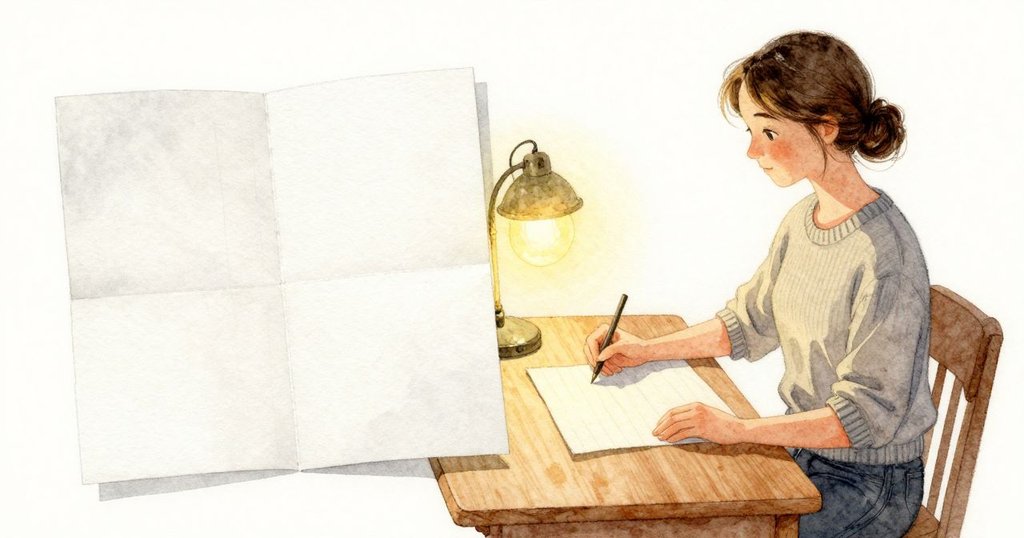
The desk met her with its familiar lamp-pool, and the shelf's row of folded shapes caught a glow.
Beyond it, a low mezzanine crossed the room, and the rail cast tidy stripes over the far wall.
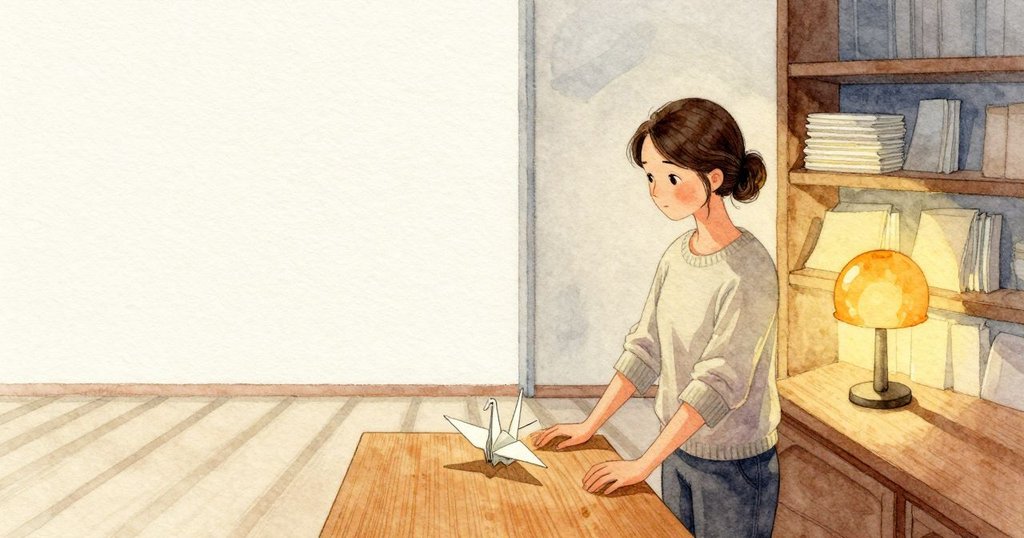
A finished crane on the desk edge held its wings at an angle, a sharp triangle of shadow on the wood.
The air held cedar from the drawer and cool paper, the sounds small enough to hear a crease.
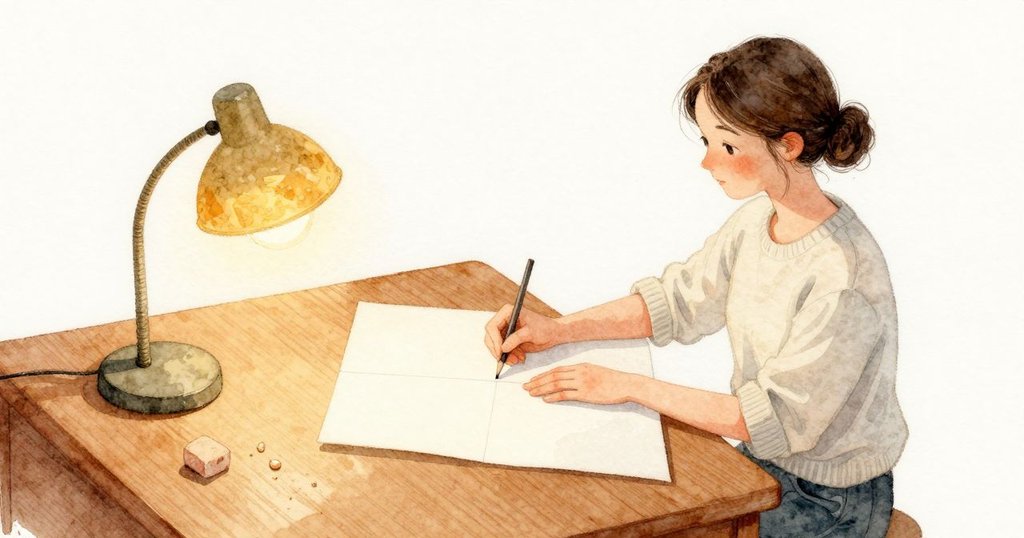
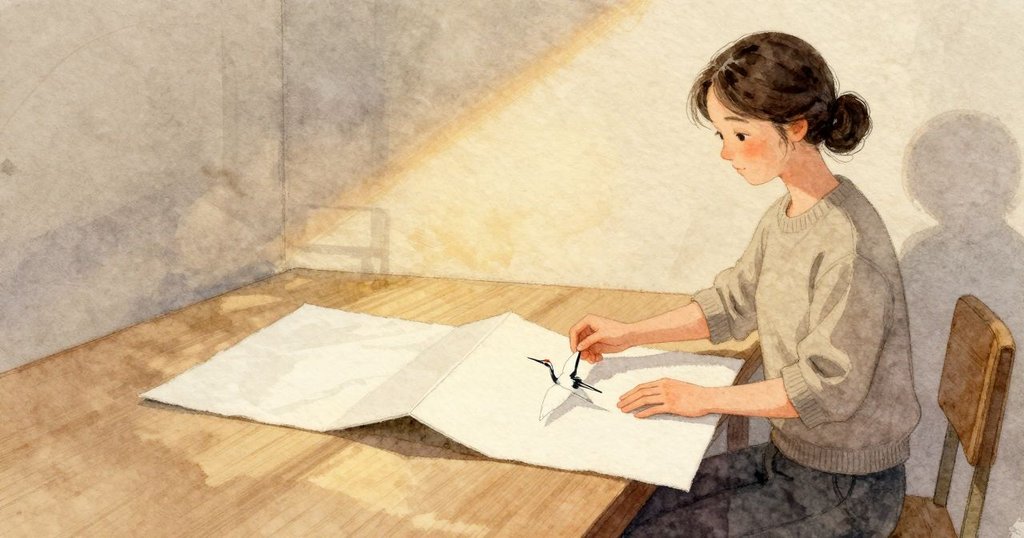
She drew a square from the stack and set its white side up, forearms settling on the wood.
Her fingertip traced along the sheet to read the grain, then the paper bent, whispering as the valley came.
The crease snapped clean when her thumbnail rode the line, a tiny ridge rising where fibers broke in place.
A few eraser crumbs and paper dust sat like quiet flotsam against the lamp's base, undisturbed by her sleeves.
Layers gathered; by the sixth turn the packet pressed back, thicker under her nail than the first easy bend.
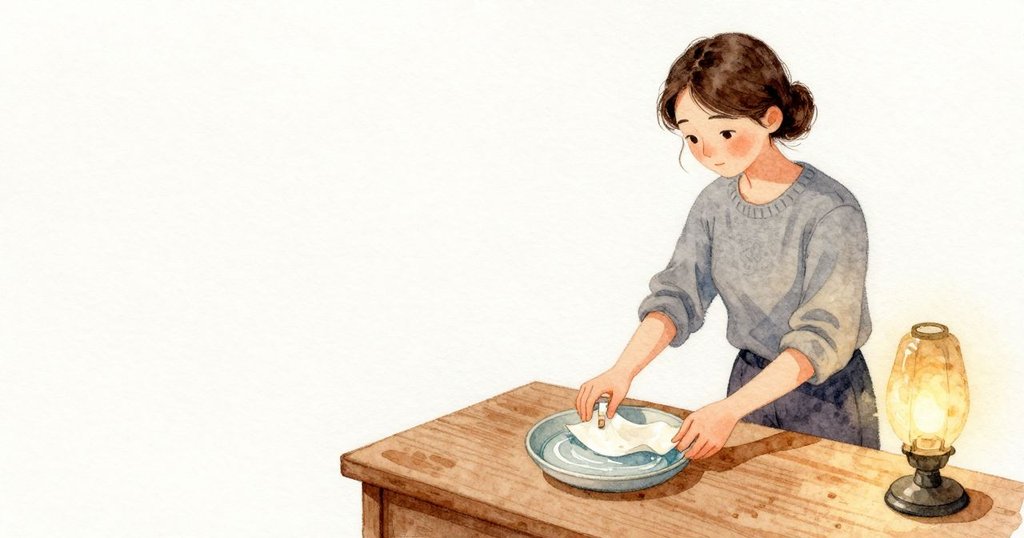
She paused with the angle half-set, shoulders lifting, then reached for the shallow dish and touched water across the hinge.
A soft gradient darkened along the wet path, and the sheet accepted a curve that the dry edge had refused.
"There," she said, leaving the point suspended, her other hand flat on the warm wood.
Her hand left the dish and went toward another square, then halted over the shelf instead, midair above the crane.
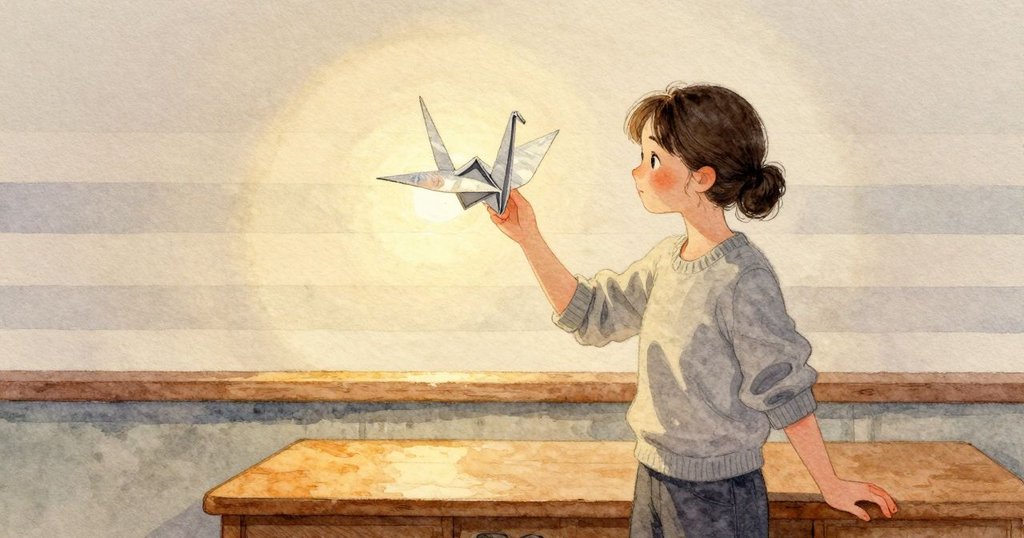
She lifted the bird by its back and found the wing root carrying a pale thumb smudge, ground into the fibers.
The edges looked softened where earlier folds had split the fibers, tiny hairs catching the light along each ridge.
As she tilted it, a small reflection pranced across the back, bright then gone between the rail-made stripes.
The new sheet on the desk showed hard peaks and clean valleys, while this old body held rounded hinges that stayed open a little.
At the beak, the paper had thinned to a crisp spine, glossy where fingers had smoothed it flat.
Fine dust from earlier handlings lived in its pockets, and the mezzanine's shadow banded its wings like quiet rungs.
A distant footstep skimmed the hall and faded; the lamp kept its amber circle steady; her elbow lowered again.
She set the crane back at the front of the line, beak angled toward the pooled light and the neat stripes behind it.
The half-folded square waited where she had left it, its damp line holding shape and its dry corners still flat on the wood.
Lamp light graded from bright to dim across the packet, each ridge throwing a fine shadow beside its twin.
She drew it nearer and pinched the last pocket into place, leaving her thumbnail poised above the final crease.
繁體中文 Translation
Dana 用手腕推開工作室的門,從明亮的走廊踏進來。
書桌用熟悉的燈光迎面而來,層架上一排折好的形體在光裡發亮。
更裡面有一道低矮的夾層,欄杆把整面遠牆切成整齊的條紋。
桌邊立著一隻做好的紙鶴,翅膀維持著角度,在木面投下一道尖利的三角影。
空氣帶著抽屜裡的雪松氣味與涼紙味,靜到能聽見折痕發聲。
她從疊好的紙堆抽出一張,把白面朝上放好,前臂落在木面上。
指尖沿著紙面摸出纖維的走向,接著紙身彎去,山谷一樣的線發出細語。
當指甲沿線滑過時,折痕俐落一響,一道細脊在纖維斷開處隆起。
幾點橡皮屑和紙粉像安靜的漂浮物,靠在燈座邊,沒被袖口撥動。
層次逐漸聚攏;到了第六道轉折,這疊紙回壓著,比起第一道更厚在指甲下。
她把角停在半途,肩膀微抬,伸手去淺碟,把水抹過那道要成的鉸鏈。
濕線沿途變深成一道漸層,乾著的邊剛才不肯給的弧度,紙身這回容納了。
她說:「好了。」尖端還懸著,另一隻手平貼在溫熱的木面。
她的手離開碟子,正要去拿下一張,卻停在層架上方,懸在那隻鶴上。
她捏住背脊把鳥提起,翅根帶著一抹淡淡的拇指汙痕,磨進了纖維裡。
早先的折線讓邊緣變得柔和,極細的毛邊沿各道稜線接住光。
她稍一轉動,背上掠過一點小小的反光,亮起又在欄杆造出的條紋間消失。
桌上的新紙有硬挺的稜與乾淨的谷,而這個舊身子保持著些微張開的圓鉸。
到嘴尖那裡,紙變薄成一條清脆的脊,被手指磨得微微發亮。
舊時把玩的細粉留在口袋般的夾層裡,夾層樓的影子像安靜的橫檔為牠的翅膀上色。
走廊遠處一記腳步掠過又淡去;燈把一圈琥珀色的光穩穩放著;她的手肘再度放下。
她把鶴擺回隊列前端,嘴尖對著那一灘光與身後整齊的條紋。
半折的方紙還在原處,濕線撐住了形狀,乾著的角仍平貼在木面。
燈光在那疊紙上由亮向暗緩緩過渡,每道稜線旁都落著一條細細的影子。
她把它拉近,捏出最後一個口袋,讓拇指甲停在最後一道折痕上方。
Vocabulary in Context
- gradient
漸層;顏色、明暗或濃度逐步變化的過程或效果。
“Along the damp hinge, a gentle gradient spread, and the sheet yielded to the curve it had refused.”
在潮濕的折痕上,柔和的漸層擴開,紙張服下了先前不肯給的弧度。
- flotsam
(原義)漂浮在水面的殘片;(比喻)零散的小碎屑或雜物。
“Eraser crumbs and paper dust settled by the lamp’s base like quiet flotsam the sleeve never stirred.”
橡皮屑和紙粉在燈座旁安靜地沉著,像不被衣袖擾動的漂浮碎屑。
- smudge
汙痕;因摩擦或指印留下的模糊痕跡。
“She found a pale thumb smudge at the wing root, pressed into the fibers like a soft stain.”
她在翼根看見一抹淡淡拇指汙痕,像柔和的斑痕壓進紙纖維裡。
- mezzanine
夾層樓、樓中樓的低層平台,位於兩個主要樓層之間。
“From the mezzanine, tidy rails cast even bands, striping the far wall and the resting crane’s wings.”
從夾層伸出的整齊欄杆投下均勻條紋,為遠牆與歇著的紙鶴雙翼上色。
- prance
(人或動物)輕快地高抬步前進;(比喻)光點或反光活潑地跳動、移動。
“A bright fleck of light pranced over the crane’s back, then slipped between the rail-made stripes.”
一點明亮反光在紙鶴背上蹦跳,接著滑入欄杆投下的條紋間。
Teacher's Spark
AI-generated teaching prompts to help teachers extend a story
Story Discussion - Dana's Studio
列出文中用來營造工作室寧靜氛圍的三個感官細節(視覺、聽覺、嗅覺各一),並說明每一個細節如何共同塑造出專注而溫柔的場景。
開放式參考答案
視覺:燈光在桌面形成一片琥珀色的光圈與整齊的條紋,強調工作區的聚焦與構圖。聽覺:可以聽見折痕發出的細微聲響與遠處腳步的淡去,這些輕微的聲音讓空間顯得安靜且專注。嗅覺:雪松與涼紙的味道帶來一種手作與紙張的真實質感,讓讀者感到這是個熟悉且被使用過的環境。三者合在一起,視覺提供焦點、聽覺放大每個動作、嗅覺連結記憶與材質,因而形成溫柔而專注的氛圍。
作者提到她把水抹過折痕以改變紙的弧度。這個動作的直接效果是為了讓紙更容易接受彎曲,對嗎?
是非題參考答案
是。濕潤使紙纖維變得更順從,產生漸層的深色並允許紙身接受以前乾時拒絕的曲線。
從她抽出一張紙、用指甲壓出折痕、到最後停在半折的姿態並檢視舊紙鶴上的痕跡,寫出這段敘述中至少四個連續的因果步驟(step-by-step causal chain)。
開放式參考答案
步驟1:她從疊紙中抽出一張並把白面朝上放好,準備動手。步驟2:用指尖摸出纖維走向,藉此決定折線位置。步驟3:指甲沿折線滑過,折痕『啪』地斷開並形成脊。步驟4:層次增加、紙堆回壓,她在第六道折痕時停下並用水濕鉸鏈以便形成更柔的弧度。步驟5:濕潤使紙接受曲線,她繼續捏出最後的口袋並將拇指停在最後一道折痕上。
從她的微小動作(例如:肩膀微抬、手停住、把鳥拿起檢視、在最後一折停住拇指)推斷她當下的內心狀態,並舉出原文細節支持你的推論。
開放式參考答案
她的內心狀態是專注且帶有溫柔的慎重。支持細節包括:肩膀微抬並停住顯示在控制動作的節奏;用水輕觸鉸鏈與說「好了」透露出對每道折痕的關注與滿意;提起紙鶴檢視拇指留下的汙痕與邊緣的柔化,顯示她在看待物件時帶有懷舊或審視的情感。
紙鶴在段落中除了作為手工成品,還可以象徵哪些抽象概念?請結合文中光線、條紋、隊列、磨損等細節提出兩個具體的象徵解讀。
開放式參考答案
象徵一:時間與習慣——紙鶴的磨損、拇指痕與柔化的邊緣暗示反覆的手作與時間的流逝,像一個被反覆練習與觸碰的記憶物件。象徵二:脆弱與堅持——薄到成脊的嘴尖和仍能保持形狀的翅膀說明紙既脆弱又被小心維持,光線與條紋為隊列提供秩序,象徵在脆弱中維持秩序與美感的努力。
填空:作者寫到「The crease snapped clean when her thumbnail rode the line, a tiny ridge rising where fibers broke in place.」這句的語氣與節奏在繁體中文中最貼近的短語是「折痕在她的拇指滑過時______,一條細小的脊線在纖維斷裂處隆起。」請在空格處填入一個短語,使其保持原句的清脆與瞬間感。
填空題參考答案
俐落一響
把本片段和你所知道的傳統摺紙或手工藝練習描寫相比,指出兩處文本細節讓這段更像個人的記憶或儀式(而不是教學手冊式的指示),並說明理由。
開放式參考答案
第一處是作者描寫指尖摸出纖維走向與拇指上的淡淡汙痕,這類個人化的觸感細節呈現一種習慣性使用的痕跡,而非步驟化的指示。第二處是她對光線、燈圈與條紋的關注以及說出『好了』的瞬間,這些片段像是自我滿足的儀式句,強調主觀經驗與情感,而非客觀教學。
Role Play - Inspecting the finished crane
情境
場景:Dana 在工作室的書桌邊,燈光在桌面擺出一圈琥珀色的光。她本要拿起下一張方紙折最後一道摺痕,但手停在半空,轉而從列隊前端提起一隻已完成的紙鶴。鶴的背脊帶著淡淡的拇指痕,翅根處的鉸鏈被揉得略圓,嘴尖被反覆磨亮,燈光與層架欄杆投出的條紋在牠背上跳動。這個角色扮演讓學生用英文在同一個時刻重現對話:一方是仔細檢視物件的 Dana,另一方把紙鶴擬人化(或代表作品本身),雙方就作品的使用痕跡、保存與情感價值交換觀察與決定(例如:繼續保留、修補或輕放)。練習重點是用細節描述材質與感覺、表達關切與回憶,並用禮貌的語氣討論處理舊作的方案。
角色
開場白建議
- •“You feel softer than the new sheets: your hinges are rounded and there's a thumb smudge on your back. How did you become like this?”
- •“I've been handled a lot—my folds remember tiny fingers and my beak is polished from being smoothed. What will you do with me now?”
Creative Writing - Retrospection from the Crane
寫作提示
任務說明(給教師):請指導學生以紙鶴的第一人稱視角,續寫一段約 150 字的英文短文,延續故事內在的感官與因果脈絡。要求保持原故事場景與元素(Dana、工作室、燈光、層架、欄杆、紙鶴、濕線、拇指汙痕等),不要引入與原故事根本衝突的新人物或場景。重點提示學生: - 保留原文的細膩觸感(paper grain、crease、thumbnail、water、cedar、lamp light)與因果動作(folding → ridge → water → curve)。 - 以紙鶴的記憶或感受為敘述核心,呈現「被折、被提、被放回」間的微小變化與情緒(不是驚險,而是溫柔、安靜的內省)。 - 務必用英文書寫,字數目標約 150 字;鼓勵使用至少六個 word_bank 裡的單字。 - 適合兒童平台:內容保持溫暖、安全、不含危險行為或恐怖元素。 示例短段(示範教師可朗讀或翻譯給學生聽,示例為繁體中文以配合教師閱讀習慣): 示例(示範視角,教師用):我記得第一個指甲沿著我的背脊滑過時,那道折痕像一道溫柔的刻痕,深深地刻在我的纖維裡。燈光溫暖地斜落,欄杆投下的條紋像階梯,把我的翅膀分成亮與暗。有人用水讓一條線變深,紙身因此接受了新的彎度;被提起時,拇指的淡汙痕像一枚印章,在我的背上留下記憶。當我被放回隊列前端,面向那一灘光,我學會了在固定與動作之間保持微微張開的姿勢,像在等待下一次被注意的瞬間。遠處的腳步聲讓房間一瞬有了呼吸,我則在燈下靜靜地記錄著每道折痕、每一點灰塵、每一圈反光。
詞彙庫
寫作輔助
- • I remember the first time my wing was folded and the crease felt like...
- • The thumbprint on my back is like a small...
- • Under the lamp's light I noticed the stripes that made me feel...
- • When Dana lifted me, I could sense the wood and the faint smell of...
- • Between the folds I keep a pocket of dust that holds the memory of...
Vocabulary & Grammar Focus
重點單字
studio
工作、創作或練習的房間;在故事中指主角進入的那個有燈與桌子的房間。
Dana pushed the studio door with her wrist and stepped from the bright hall into the lamp's circle.
mezzanine
低矮的夾層或中間樓層;在故事中它跨過房間並投下欄杆的影子。
A low mezzanine crossed the room, its rail throwing tidy stripes across the far wall.
crease
紙張上形成的摺痕或折線;故事裡的折痕是折紙過程的關鍵動作。
She folded until the crease snapped clean, a tiny ridge rising where the fibers broke.
thumbnail
拇指指甲;在故事裡用來順著折線滑動以做出俐落的摺痕。
When her thumbnail rode the line, the crease snapped clean, leaving a tiny ridge along the fibers.
ridge
隆起的細脊或稜線;折痕處纖維斷開後形成的小脊,在光下可見。
A tiny ridge rose where the fibers broke, catching a sliver of lamp light.
hinge
折紙中像鉸鏈般能彎動的點或邊;濕處在鉸鏈上幫助紙接受弧度。
She brushed water across the hinge, and a soft gradient darkened along the wet path.
smudge
模糊的污痕或擦拭痕跡;故事中紙鶴背脊上的拇指汙痕鑲在纖維裡。
She lifted the bird and found a pale thumb smudge ground into the wing root fibers.
glossy
表面光亮、有光澤;用手指摩平的紙邊在嘴尖處呈現微微發亮的質感。
At the beak the paper was glossy where fingers had smoothed it into a crisp spine.
grain
紙纖維的走向或紋理;主角用指尖沿著纖維方向閱讀紙的紋理。
Her fingertip traced the sheet to read the grain, following the paper's fiber lines.
文法重點
說明過去完成式(past perfect)在敘事中如何標示「在過去某一時刻之前已經發生」的動作或狀態。過去完成式由 had + 過去分詞構成,用來表示兩個過去動作的先後關係:較早發生的動作用過去完成式,較晚發生的動作用過去式。故事句子「the sheet accepted a curve that the dry edge had refused」中,that 引導的子句用過去完成式(had refused),說明「乾的邊緣先拒絕了(refuse),接著紙才接受弧度」。教學上可強調:在表達因果或背景資訊時,過去完成式常出現在從屬子句(例如以 that、because、before、after、when 開頭的子句)來標示時間順序或先行動作。
練習題
The crease snapped clean when her ___ rode the line, a tiny ridge rising where fibers broke in place.
參考答案
thumbnail
配對以下單字與意思:
顯示答案
A-1B-4C-8D-2E-7F-5G-9H-3I-6
the sheet accepted a curve that the dry edge had refused.
參考答案
Because the dry edge had refused, the sheet accepted a curve.
Cultural Connection - 摺紙與水痕的儀式
主題
以水定摺的摺紙儀式
討論要點
- •在故事中,Dana 用淺碟的水沿著要成的鉸鏈抹過,讓濕線變深並幫助紙張接受弧度。回想你自己的經驗:你有沒有見過或親手操作過用水、指尖或其他微小工具去改變材料形狀的細膩步驟?請描述當時的場景與感受。
- •故事描寫了燈光、小小的紙粉、層架上一排折好的紙鶴,以及 Dana 在工作桌前獨自反覆折疊的過程。你所在的文化裡,紙張手工通常發生在什麼場域(例如家庭、學校、廟會或個人工作室)?場域如何影響製作方式、工具與最終作品的用途?
- •作者細寫紙的纖維、拇指磨出的亮脊、舊鶴邊緣的毛邊等物質細節。比較你熟悉的紙張種類(例如宣紙、卡紙、印刷紙)與故事中那種能被摺出細密鉸鏈的紙:不同紙張如何改變摺法、需要的技巧,以及作品呈現出的時間痕跡?
文化比較
故事呈現的是一種個人化、工作室式的摺紙實踐:Dana 在昏黃的檯燈下、層架擺放成品,透過指尖和一碟水去微調每一道折痕,細心保存舊作品的痕跡(拇指的汙痕、紙粉、圓鉸)。相較之下,在繁體中文的生活經驗裡,紙的手工常常同時出現在集體或儀式性的場域(如春節時的剪紙與燈籠、學校或社區的手工活動),用途偏向裝飾、慶典或教學示範,工具也可能更多使用剪刀、膠水或刻刀。兩者的共同點在於對紙材的觸感與耐心:無論是在獨處的工作室用水服貼折痕,或在廟會與家庭裡一同製作裝飾,都是透過一連串小而精細的動作將材料變成有意義的形象;差異在於場域、目的與常見材料如何塑造了製作的節奏與技藝重心。
Comprehension Quiz
1. Who slid the studio door aside and entered from the bright hall?
2. What scents were present in the studio's air?
3. What did the mezzanine's rail cast over the far wall?
4. How did the finished crane on the desk edge hold its wings?
5. What did Dana touch across the paper's hinge to help the fold accept a curve?
6. Where did she find the pale thumb smudge on the crane?
7. Which contrast between the new sheet and the old crane does the story describe?
8. How did the lamp light fall across the packet of paper?
Recommended Reading
Glass, Fern, and a Blue Ridge on the Print
Fern, Burr, and Blue Water at the Vaulted Window
Paper Scraps for a Window Sparrow
The Window Crank and the Blue Print on the Counter
The Floating Print Beneath the Safelight
The Darkened Proof Sheet and the Shifted Line
The Fold That Revealed a Skyline
Drop on the Clean Rectangle of the Shelf
Paper Tower and the Hidden Frog
The Missing Brass Peg
Punch-Card Window Beside the Jacquard Loom