A Thrush Taps on the Weather Station Windowsill - 適合進階的英文短篇故事,含中譯與發音
畫眉在氣象站窗台上輕敲 | 英文/中文 雙語朗讀
Story Content
English Original
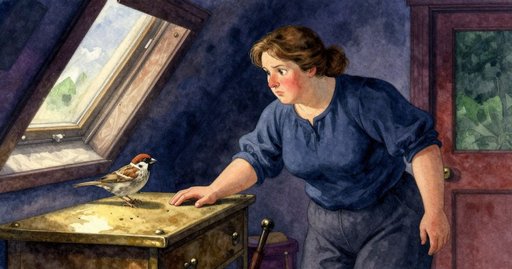
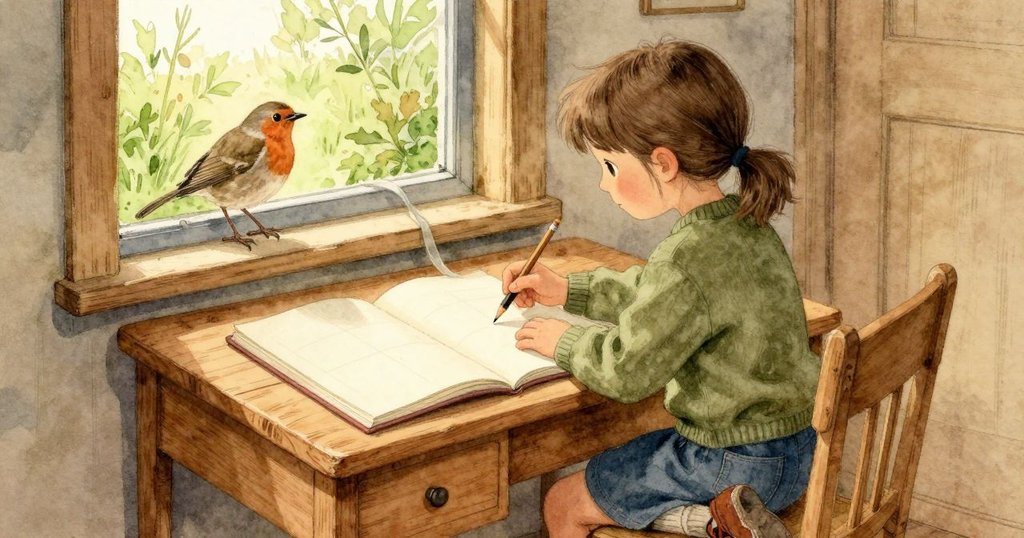
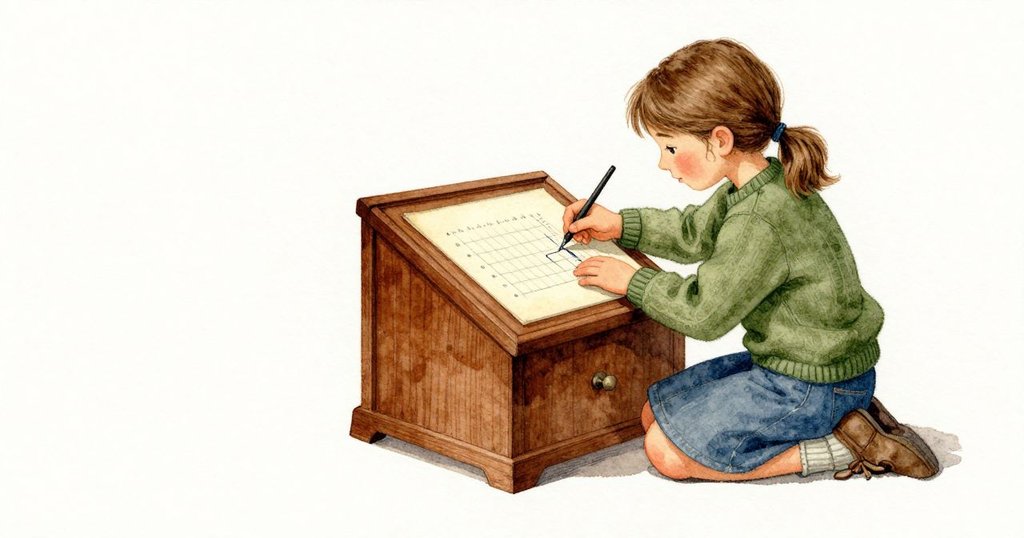
From the hut's cedar dim, Eve held the pencil over the logbook while the clearing glittered with sound; a thrush landed on the sill.
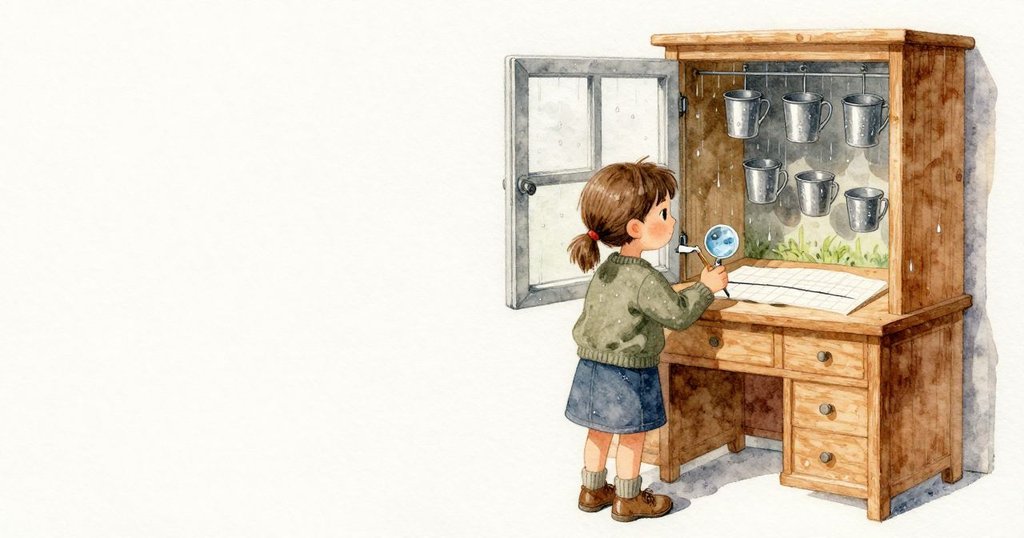
Outside, cups clicked and a vane ticked quarter by quarter, yet inside the desk creaked, and graphite murmured across the pale grid.
The rain gauge offered plink after plink in delicate syncopation with the anemometer's clicks, and the hush between notes held its own weight.
Beyond the fence, the maturation of hay heads showed in tawny strokes, and a faint announcement drifted up from unseen speakers far below.
On the shelf, a blank wooden placard leaned against a jar, shavings curled beside it, and the open door let the wind shape the room's sound.
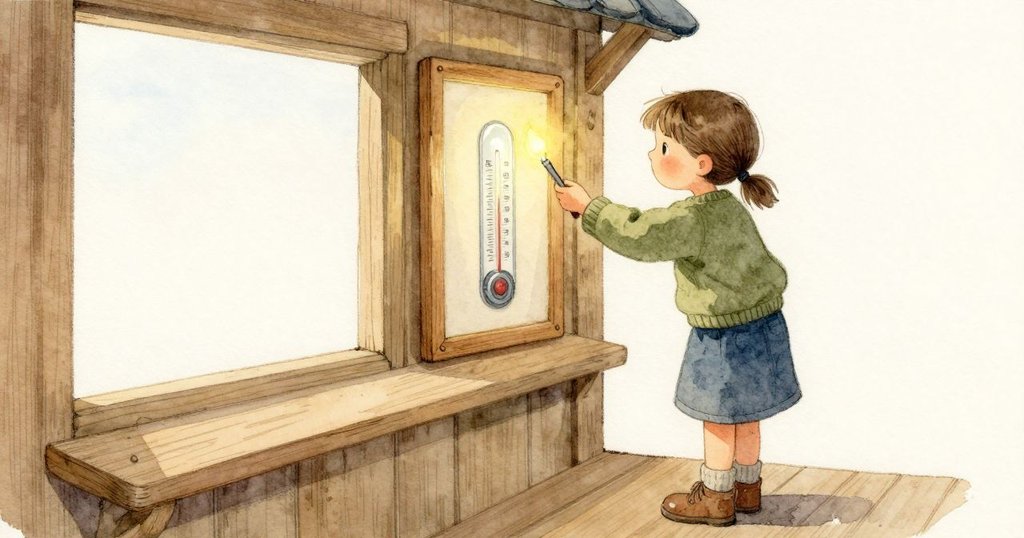
Eve tilted a small torch across the thermometer's glass, and fine glare settled on the slats, so the mercury's line needed another angle.
She wrote the number, turned the page, and slid the placard nearer the sill to still the draft that jostled the hanging pencils.
The barograph's drum gave its low hum, the ink traced another fraction, and her sleeve brushed cedar, rustling the quiet into stripes.
At the sill, the thrush tapped—light, then quick, then paused—and her hand hovered, half a shoo away, as the plinks kept time.
Down the slope, that distant announcement thickened the air for a breath, broke into echo against the hedges, and fell back into hush.
"All right," Eve said, barely above the drum's murmur, "I hear the rhythm today."
She drew the placard back from the sill and set it flat, and the room's resonance thinned enough for edges to separate.
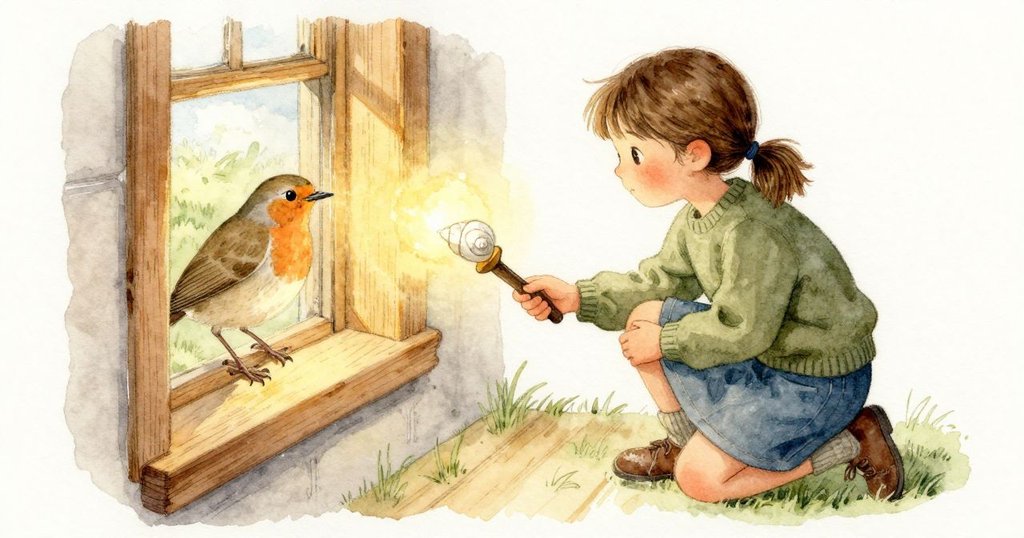
Kneeling, she tipped the torch toward the bird's beak, and the beam showed a pale snail shell striking wood in tidy chips.
Tap became crackle; shell flecks jumped; the throat worked once; wing coverts lifted, and the tapping took its place beside the instruments' counted music.
"There," she said, easing back from the sill so sunlight could sit unbroken on the grain.
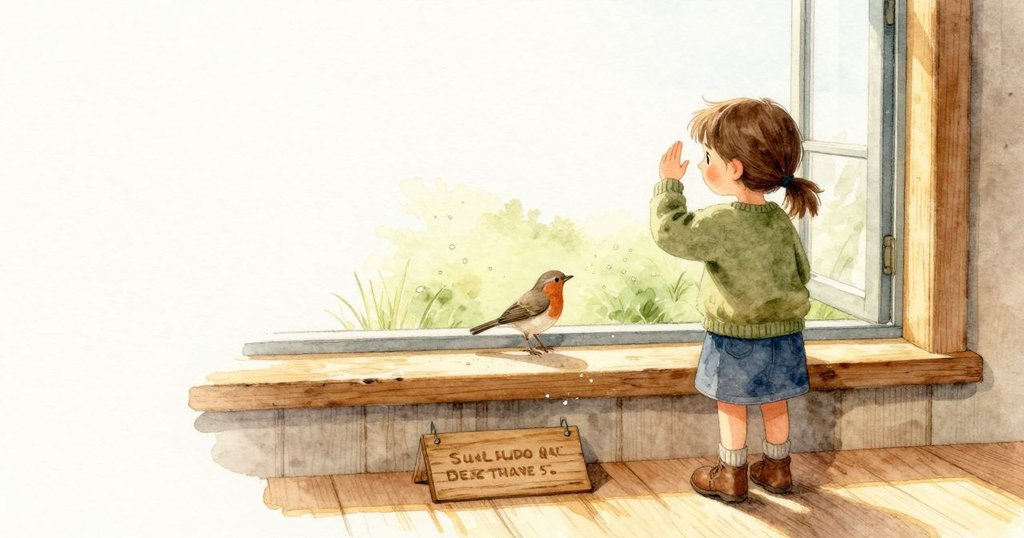
Eve lifted two fingers in a small salute, and the thrush angled its head, specks of shell bright against the sill.
Two fingers rose toward the thrush across the open window's strip of light, while the last chip still fell.
繁體中文 Translation
在雪松色的暗室裡,Eve 把鉛筆停在觀測簿上,同時空地用聲音閃著光;一隻畫眉落在窗台上。
外頭,風杯啪答作響,風向標一格一格地輕敲;屋內,書桌吱呀作聲,石墨在淺色方格上低低摩擦。
雨量器一聲又一聲的叮噹,與風杯的點擊交織出細緻的切分節奏,而音符之間的靜也有自己的份量。
圍欄之外,成熟中的乾草穗把田地刷成赭黃,一陣模糊的廣播公告從看不見的喇叭飄上山坡。
架上,一塊空白的木牌靠著玻璃罐,刨花在旁邊蜷卷,打開的門讓風把室內的聲音重新排列。
Eve 把小手電往溫度計玻璃一斜,細碎的反光落在百葉板上,所以水銀柱還得換個角度才清楚。
她寫下數字,翻過那頁,又把木牌往窗台靠近一些,好讓穿堂風別去晃動吊著的鉛筆。
氣壓記錄鼓發出低低的嗡鳴,墨跡又添上一小格,她的袖子拂過雪松,讓安靜被攪成一道道細紋。
窗台那頭,畫眉在輕敲——輕、再快、再停——她的手懸在半空,像要趕走又停住,而叮噹聲仍在打拍。
坡下,那道遙遠的廣播放厚了空氣一口氣,又在綠籬上折成回音,最後回到靜。
「好吧,」Eve 壓在鼓聲之上輕輕說,「我今天聽見這節奏了。」
她把先前移近的木牌從窗台退回,平放在架上,室內的共鳴便薄了些,邊界開始分明。
她跪下,把手電朝鳥喙一送,光束便照出一枚淡色蝸牛殼,正把木紋敲裂成整齊的小屑。
輕敲變成微微的碎裂;殼屑一顆顆跳起;喉嚨一收;覆羽抬起,而這一連串敲擊在儀器可數的樂聲旁找到自己的位置。
「在這裡,」她說,身子從窗台邊慢慢退開,讓陽光完整地落在木紋上。
Eve 抬起兩根手指做了個小小的致意,而畫眉側了側頭,殼屑一點點在窗台上發亮。
兩根手指正往畫眉那頭升起,穿過開著的窗邊那道亮帶,而最後一片小屑仍在下落。
Vocabulary in Context
- announcement
公告、廣播;向大眾傳達的訊息或通知。
“Far below, an announcement swelled, echoed off the hedges, and softened back into the clearing's hush.”
坡下傳來的廣播漸起,撞在樹籬上回響,又柔和地回到林間空地的靜。
- placard
(小型)告示牌、木牌;在本文中是可移動的小木牌,用來擋風或標示。
“Eve laid the wooden placard flat by the sill, and the draft finally quieted the pencils.”
伊芙把木製小告示牌平放在窗臺邊,氣流終於讓鉛筆安靜下來。
- syncopation
切分(音);把節拍重音移到意料之外的位置所造成的韻律感。
“The gauge's plinks fell in gentle syncopation with the anemometer, then left a hush between beats.”
雨量器的滴答與風速儀的點擊形成溫柔的切分,節與節之間留著寧靜。
- maturation
成熟、成熟過程;指植物或事物逐漸達到成熟狀態。
“Beyond the fence, the hay heads’ maturation painted tawny lines that steadied the field’s slow rhythm.”
籬笆外,牧草穗的成熟畫出茶褐色的線條,讓田野的慢拍更穩。
- salute
致意、敬禮;用手勢或姿勢表達友善或尊重。
“She offered a small two-finger salute to the thrush, letting the sunlight rest unbroken on the sill.”
她向鶇鳥做了個兩指的小小致意,讓陽光不受打擾地停在窗臺上。
Teacher's Spark
AI-generated teaching prompts to help teachers extend a story
Story Discussion - Eve and the Thrush
描述故事開頭所建立的聲音景觀。作者如何用具體聲響來對比室內與室外的氛圍?
開放式參考答案
The opening soundscape is layered and delicate: outside there are cups clicking, a vane ticking quarter by quarter, and a distant announcement; inside there are quieter, textured sounds — the desk creak, graphite murmuring across the logbook, the barograph's low hum. The rain gauge's plinks and the anemometer's clicks create a syncopated rhythm that links interior instruments with exterior weather. The contrast is achieved by scale and intimacy: exterior sounds are broader and directional (wind, field, announcement), while interior sounds are close, tactile, and minute, emphasizing the room's intimacy and Eve's attentive listening.
Eve 把木牌靠近窗台是為了阻止穿堂風晃動吊著的鉛筆嗎?
是非題參考答案
Yes — she slides the placard nearer the sill to still the draft that jostled the hanging pencils.
分析從 Eve 偵測溫度(斜照溫度計玻璃、寫下數字)到她最終把木牌退回架上這一連串行動的多步因果關係。說明每一步如何促成下一步的選擇。
開放式參考答案
First, Eve tilts the torch to read the thermometer clearly, which lets her record the temperature. After writing the number and turning the page, she notices the draft disturbing hanging pencils, so she slides the placard nearer to reduce that motion. With the placard in place the room's resonance changes and she can better hear rhythms (instruments and the thrush). Once she perceives the musical balance and locates the thrush's tapping, she returns the placard to thin the resonance so edges separate—thus each sensory observation (sight → record → sound) triggers a physical adjustment that refines her perception.
從她對節奏的反應以及她與畫眉的互動,可以推斷出 Eve 的哪些性格特質或心境?請具體說明兩到三項。
開放式參考答案
Eve appears patient and highly attentive: she listens carefully to subtle rhythms and adjusts the environment to hear better. She is respectful and gentle toward the bird, hesitating to shoo it and offering a small salute, suggesting empathy and a contemplative temperament. She is methodical and observant, combining scientific tasks (taking measurements, recording data) with a quietly aesthetic appreciation of sound.
作者把儀器的聲音與自然聲並列並賦予節奏感,這是否暗示人類觀察者和自然之間存在某種共生或和諧關係?
是非題參考答案
Yes — the measured sounds of instruments and the thrush's tapping form a shared rhythm, implying a harmonious coexistence where human observation and natural activity interlock rather than oppose each other.
請填空:畫眉敲擊窗台時,用牠的喙敲的是 ________。
填空題參考答案
a pale snail shell
挑出文中三個描寫聲音的動詞或擬聲詞,並分析作者如何藉由這些詞彙強化敘事的節奏感與氛圍。
開放式參考答案
Three examples are: "plink" (or "plink after plink") which conveys delicate, repeated drops and a musical syncopation; "murmured" (graphite murmured) which personifies writing as a quiet, intimate sound and lowers the scene's volume; and "tapped" (the thrush tapped) which provides a percussive, rhythmic counterpoint. Together these words vary in timbre and tempo, creating a layered soundscape where small, measured noises build a subtle rhythm that defines the story's mood.
把這個場景和傳統的田園描寫或自然書寫比較:作者在哪些方面遵循了自然書寫的慣例?在哪些方面又顯得不同或顛覆?
開放式參考答案
The scene follows pastoral conventions through close, reverent attention to landscape details and bird behavior, and by evoking quiet, contemplative observation. It differs by integrating scientific instruments and recording practices into the depiction of nature; rather than idealizing wildness, the text presents measurement and domestic objects as part of the natural chorus. This blending subtly subverts romantic separation of science and nature, suggesting observation and empathy can coexist.
Role Play - Eve and the Thrush at the Sill
情境
場景:在雪松色的暗室裡,Eve 跪在窗台旁,周圍有氣壓記錄鼓、溫度計和記錄簿作為背景。屋外雨量器和風杯有節奏地叮噹,室內則有石墨在方格紙上摩擦的低聲。窗台上靠近光帶處有一塊可移動的木牌和幾支懸掛的鉛筆;一隻畫眉在窗台上用一枚淡色蝸牛殼敲擊木紋,從輕敲變成碎裂,最後停下。學生分成兩人一組:一人扮演 Eve(記錄數字、把木牌靠近或退回窗台、用手電照向鳥喙、以低聲說話並做兩指致意),另一人扮演 Thrush(以敲擊、側頭、短促的羽動等非語言動作回應)。本情境重點在用英文描述聲音與節奏,練習溫柔的肢體語言,以及在觀察中保持尊重與耐心。
角色
開場白建議
- •“I hear the rhythm today. Could you tap that shell one more time so I can listen?”
- •“Tap-tap. (The thrush tests the shell against the sill, then pauses.)”
Creative Writing - Side Moment: The Thrush's Memory
寫作提示
任務說明:請以畫眉(the thrush)的視角,寫一段英語創作(200–300 words),採取「旁觀但未被 Eve 見到的時刻」作為分支。你的段落應與原故事共享同一物件與感官質地:窗台、木牌、殼屑、手電、儀器的點擊與節奏、雪松的氣味或木紋的光影。請至少使用下方單字庫中的四個單字,並保持語氣溫和、富有節奏感,讓聲音與靜默都成為敘事元素。 示例分支(教師參考,約150字,繁體中文): 畫眉記得,那並不是第一次它把殼敲在木頭上。某個更清冷的清晨,天空還未亮,田地的邊緣有薄霧,儀器已經在櫃架上默默運作,風杯在外頭一格格敲著。它在一片倒下的樹皮旁撿到那枚淡色的蝸牛殼,貝殼的邊緣薄而利,敲在粗糙的木紋上會發出清脆的碎響。畫眉試著把節奏對齊風杯的點擊,用喙調整每一次敲擊的力道與間隔,像是在學習一種新的呼吸。它不知道那時有誰在窗內記數,但它確信:那些細小的聲響可以被聽見並回應,像是與儀器一起編出的秘密樂章。
詞彙庫
寫作輔助
- • I remember the morning when I found the shell and first tapped it against the wood...
- • The instruments outside sounded like a distant heartbeat, and I tried to match that beat by...
- • Sunlight slipped across the sill and I paused because...
- • My beak learned the rhythm by listening to the clicks of the anemometer and the rain gauge...
- • I did not know anyone inside was keeping time; all I knew was the pattern that began when...
- • When the shell cracked, I felt a new tone and decided to...
Vocabulary & Grammar Focus
重點單字
cedar
一種釋放香氣且常用於建材的樹木;在文中指屋內或家具的木質表面,能被觸碰或摩擦而發出聲響或質感。
Her sleeve brushed cedar, turning the room's quiet into thin stripes.
logbook
用來記錄觀測數據或事件的冊子;文中指 Eve 用來寫下測量值的記錄簿。
Eve held the pencil poised above the logbook, listening to the room's rhythm.
thrush
一種中等體型的歌鳥;文中作為窗台上的畫眉,透過敲擊與動作參與場景節奏。
The thrush tapped the sill, each light strike finding its place beside the instruments.
sill
窗台;故事中的鳥落腳與光線帶經過之處,也是室內聲響與外界相遇的邊界。
A thrush landed on the sill while Eve held the pencil over the logbook.
graphite
鉛筆芯的物質,用來書寫並在紙面上留下灰黑色痕跡;文中形容書寫時的細微摩擦聲與視覺痕跡。
Inside, graphite murmured across the pale grid as she recorded another measurement.
rain gauge
測量降雨量的儀器;文中以發出「plink」聲來標示降雨節奏的一部分。
The rain gauge offered plink after plink, keeping delicate syncopation with the anemometer.
anemometer
測風速的儀器;故事中以其點擊聲與雨量器的叮響共同構成場景的節拍。
The anemometer clicked in time, its small beats knitting with the rain gauge's plinks.
placard
一塊木製的空白牌子;文中作為可移動的物件,用來擋風或改變窗邊的聲學效果。
She slid the placard nearer the sill to hush the draft that jostled the pencils.
torch
手電筒;用來投射光束以觀察儀器或物件細節,能改變視覺焦點與反光位置。
Eve tilted the small torch across the thermometer's glass, making fine glare settle on slats.
shell
此處指蝸牛殼的碎片;文中為鳥啄擊後彈起的小屑,成為聲響與視覺細節的一部分。
The beam revealed a pale snail shell chipping the wood into tidy flecks.
文法重點
本文常以並列的過去式動詞列舉(如 "She wrote the number, turned the page, and slid the placard...")來呈現一連串連續動作,同時也會使用現在分詞或分詞短語來壓縮敘述、表現動作的同時性(如把主句前置為 "Writing the number, she...")。這兩種手法一方面可以營造節奏感,一方面能在敘述中安排主次信息:並列過去式強調一項接一項的行為序列;分詞短語則把背景或伴隨動作合併到句首或句中,讓主要動作更為突顯。教學上可以讓學生練習將列舉的過去式動作改寫為分詞開頭的結構,或反向展開分詞短語為完整的並列句,藉此理解語篇中時間、重心與語氣的微妙調節。
練習題
A thrush landed on the ___ while Eve held the pencil over the logbook.
參考答案
sill
配對以下單字與意思:
顯示答案
A-2B-8C-9D-4E-6F-1G-10H-3I-7J-5
She wrote the number, turned the page, and slid the placard nearer the sill to still the draft that jostled the hanging pencils.
參考答案
Writing the number, she turned the page and slid the placard nearer the sill to still the draft that jostled the hanging pencils.
Vocabulary & Grammar Focus
重點單字
hut
小屋;故事中指放置儀器與觀測活動的簡易構築物,光線昏暗且充滿木質氣味的內部空間。
Inside the dim hut, Eve held the pencil above the logbook, the clearing glittering outside.
pencil
鉛筆;用於紀錄的書寫工具,此處呈現為停在觀測簿上方、準備記錄的姿態。
Eve's pencil hovered above the logbook as the room filled with counted, delicate sounds.
clearing
空地;一片開闊的場所,故事裡以聲音閃爍來描寫其存在感,與屋內的聲響形成對照。
The clearing glittered with sound, its open space answering the hut's small music.
cups
(風杯或小金屬杯)小型杯狀測器或構件;旋轉或碰撞時會發出清脆的敲擊聲,構成外界節拍之一。
Outside, metal cups clicked in steady rhythm, each tapping like a tiny clock.
vane
風向標;用來顯示風向的裝置,在文中以規律的敲擊或擺動聲標示時間的節拍。
A vane ticked quarter by quarter, keeping strict time with the other instruments.
desk
書桌;故事中為木製家具,其吱呀聲成為室內聲響的組成部分與節奏來源之一。
The wooden desk creaked under small movements, its complaint part of the room's score.
shavings
刨花;木屑或薄片,靠在木牌旁邊蜷卷成形,是場景的視覺細節之一。
Shavings curled beside the placard, pale spirals waiting on the shelf.
hush
寂靜、靜默;指音符之間的空白或停頓,故事形容這種靜也有其重量與節奏功能。
The hush between notes held its own weight, making each click feel conspicuous.
thermometer
溫度計;具有玻璃與水銀線的儀器,需用手電照射玻璃以讓水銀線更清楚可讀。
She tilted the torch across the thermometer's glass to coax the mercury into view.
mercury
水銀;溫度計內的金屬液柱,形成一條細線,常需要改變角度才能看清讀數。
The mercury's thin line required another angle before she could record the reading.
文法重點
本篇常用 while 引導的從屬子句來表達「同時發生的背景動作或場景」(例如 "Eve held the pencil over the logbook while the clearing glittered with sound")。在篇章中,while 子句把一個同時發生但非敘述主焦點的動作或景況壓入背景,讓主要動作(主句)保持前景。學習重點:辨認 while 所標示的同時性、理解它如何改變句子重心,並練習把 while 子句改寫為分詞短語或置換為主句從而調整焦點(例如把 "while the clearing glittered with sound" 改為 "The clearing glittering with sound,"),藉此體會敘述中背景與前景的語法手段。
練習題
From the hut's cedar dim, Eve held the ___ over the logbook while the clearing glittered with sound.
參考答案
pencil
配對以下單字與意思:
顯示答案
A-3B-1C-5D-4E-8F-9G-10H-2I-6J-7
From the hut's cedar dim, Eve held the pencil over the logbook while the clearing glittered with sound; a thrush landed on the sill.
參考答案
The clearing glittering with sound, Eve held the pencil over the logbook, and a thrush landed on the sill.
文化連結 - 氣象觀測小屋與手寫記錄
主題
氣象觀測小屋與手寫記錄
討論要點
- •在故事中,Eve 把小手電斜向溫度計以讀取溫度、把數字寫進觀測簿,還把木牌靠近窗台以阻止穿堂風。你或你周遭有人以類似的方式做記錄或調整儀器位置嗎?請描述一件具體事例(使用的工具、步驟與頻率)。
- •故事裡描寫了許多儀器的聲音:雨量器的叮噹、風杯的點擊、氣壓記錄鼓的嗡鳴,以及畫眉敲擊窗台的節奏。這些聲音如何成為 Eve 工作的一部分?在你的生活中,有沒有某種聲音幫助你判斷時間或完成例行事務?分享你的經驗與感受。
- •Eve 對畫眉做了個小小的致意,並注意到鳥用蝸牛殼敲裂木紋,顯示人與自然之間的微小互動。你在你的文化中見過哪種小儀式或行為,用以向動物、植物或自然現象表示注意或尊重?說明一個具體情境。
文化比較
故事描寫的場景像是一個小型的、以手工記錄為核心的氣象觀測小屋:人靠近儀器,透過手電讀取溫度,把數字寫進觀測簿,用木牌暫時穩定風流以避免干擾,並以儀器與環境發出的聲音來建立工作節奏。這種現場感強烈的做法突顯了對物件、聲響與身體動作的敏感,讓科學記錄成為日常生活的一部分。在繁體中文語域中,也能找到相通的實務:鄉間或學校裡的觀測與農事習慣常包含目測、手寫記錄與以簡便物件調整環境(例如以遮擋或支撐來保護儀器),而且社區生活常以廣播或集體活動的聲響來標記時間或動作。然而,兩地的差異在於實務的普及型態:在許多華語地區,隨著自動化感測與數位平台普及,原本的手工現場觀測逐漸與遠端自動化資料並存;同時,對自然的微小致意——像故事中 Eve 對畫眉的那個動作——在華語社群也常以不同形式出現,例如在田裡停下觀察鳥鳴或在社區裡留意季節變化。總之,故事呈現的「以物件與聲音編織的日常儀式」在兩個語域都可以辨識,但在工具的現場性與公共化、以及自動化程度上呈現不同的實踐樣貌。
文化連結 - 廣播公告與社區聲音
主題
廣播公告與社區聲音
討論要點
- •故事中有一道「遙遠的廣播公告從看不見的喇叭飄上山坡」,它在空氣裡厚了一口氣又折成回音。請回想你生活中曾聽到的公共廣播或社區公告:它從哪裡來?通常在什麼時候播送?當你在做事時聽到它,你的反應是甚麼?請描述一個具體情境。
- •Eve 把那道廣播聲當作工作節奏的一部分,說「我今天聽見這節奏了」,而廣播聲與雨量器的叮噹、風杯的點擊、以及畫眉的敲擊一起編成一種日常的聲景。你覺得公共廣播如何改變你對周遭聲音的注意力或日常節奏?是否有一次你因為廣播調整了當下的行動或計畫?說明細節。
- •故事裡的廣播來自「看不見的喇叭」,聲音穿過田野與綠籬回響。試比較你所在的文化中,社區傳播訊息常用哪些技術或儀式(例如廣播喇叭、廣播車、社區廣播、手機警示、廟會公告等)?這些方式在你眼中傳遞了怎樣的社會關係或組織秩序?
文化比較
在故事描寫的聲景中,遙遠的廣播從「看不見的喇叭」飄上來,成為山坡日常的一部分,與觀測儀器與鳥鳴一同構成工作節奏;這暗示在那個語境裡,公共廣播是散布訊息且自然滲入私人日常的常態。在許多英語語域的鄉村或小鎮,類似的做法也存在:地方政務、農場或教會有時會使用廣播、社區喇叭或公告系統來告知天氣、活動或緊急資訊,聲音往往從遠處傳來並成為區域性聲景的一部分。相較之下,在繁體中文語域(例如都市與鄉鎮),傳遞社區訊息的方式呈現多樣併存:有些地區仍可聽到社區廣播喇叭或廣播車,有的是透過社區大會、廟口廣播或里長廣播召喚,也越來越多人依賴手機簡訊、社區通報群組與數位警示。兩者的差異不在於「有或沒有」廣播,而在於技術佈局與社會期待:故事中的廣播作為環境聲的一部分,容易被個體內化為節奏;而在繁體中文語域中,公告的出現頻率、來源可見度(例如是否是行動廣播車或熟悉的社區廣播)與法律/習慣對公共空間聲音的容忍度,會影響人們把它當成背景聲還是被動的中斷。老師可以引導學生從這些具體差異討論「聲音如何形塑日常的社會關係」以及「不同傳播技術如何改變社區成員對時間與消息的期待」。
Comprehension Quiz
1. What bird landed on the sill while Eve held the pencil over the logbook?
2. Which instrument ticked quarter by quarter outside the hut?
3. Which two devices created a delicate syncopation of plinks and clicks?
4. Why did Eve tilt a small torch across the thermometer's glass?
5. Why did Eve slide the wooden placard nearer the sill?
6. What did Eve see the thrush tapping against the wood?
7. Which sound did the barograph's drum make as Eve worked?
8. What gesture did Eve make that the thrush responded to before the last chip fell?
Recommended Reading
Mercury and Louvers at the Weather Station
Taking Down the Puppet at the Weather Station
Barograph Line After the Gate Bell
The Tulip That Tilted the Barograph
An Empty Peg at the Weather Station
A Scuff in the Grass at the Weather Station
The Pressed Flower That Fell
Silent Anemometer Counter
The Wren, the Organ Pipes, and the Opened Sash
The Tuning Knob and the Slow Anemometer
The Swallow's Arc and the Pencil at the Doorway