Cormorant and the Panoramic Sweep on the Quay - 適合進階的英文短篇故事,含中譯與發音
碼頭上的鸕鶿與全景掃掠 | 英文/中文 雙語朗讀
Story Content
English Original
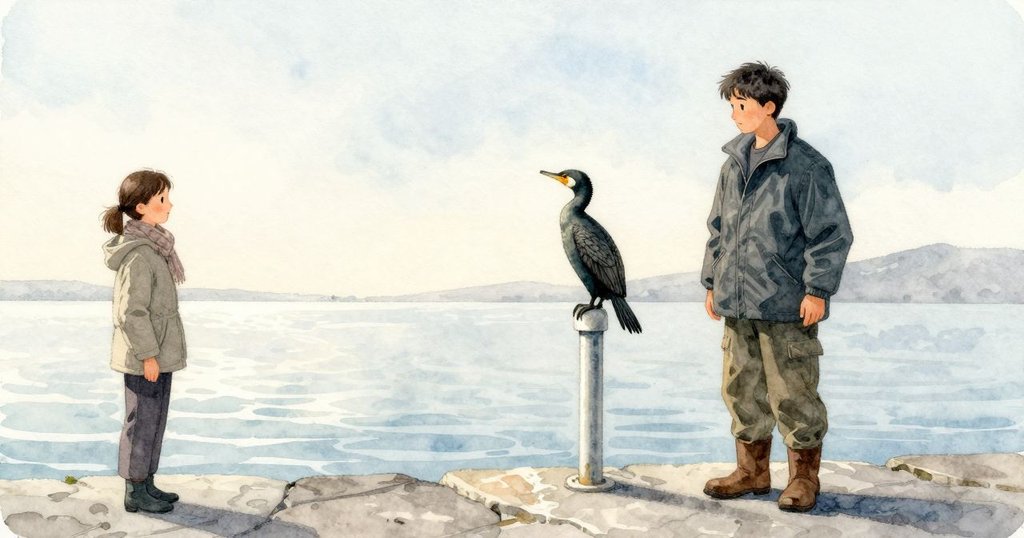
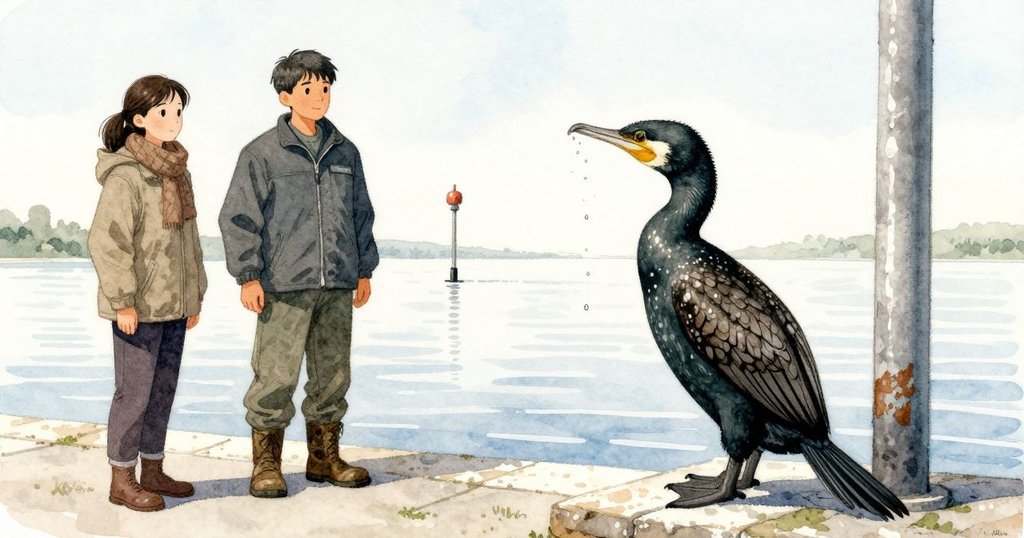
A dark bird stood on the channel marker, narrow body upright, head turned, the throat line sharp against the water's pale streak.
The distance kept us from it, yet the outline read clear, every feather ridge catching side light near the horizon.
A pensive angle lived in the tilt of its head, not thought, only posture meeting the wind's steady push.
It blinked once and let one foot curl tighter around the capped steel, then returned to that held stillness.
Beyond it, the water drew a long unbroken line across the view, boatless and bright under a calm afternoon sky.
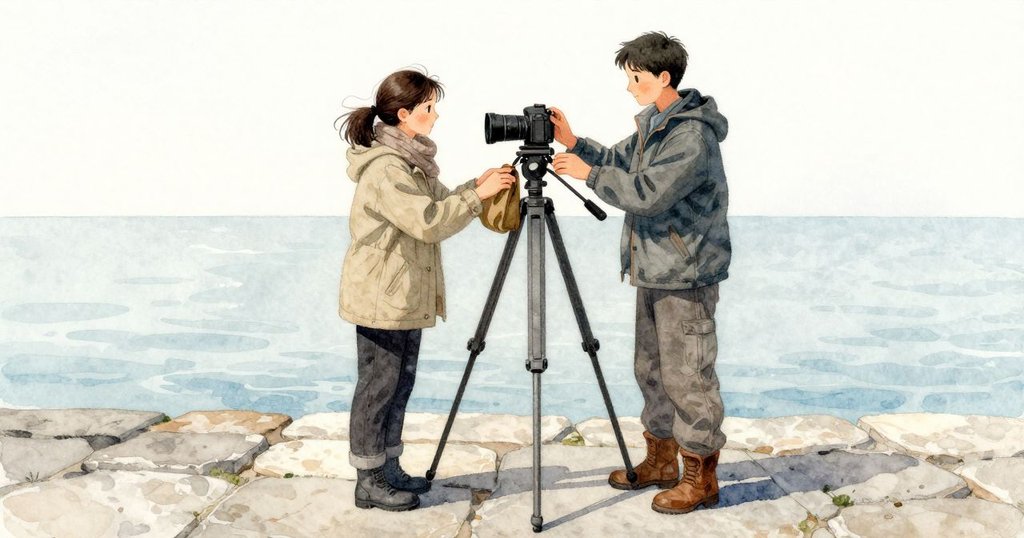
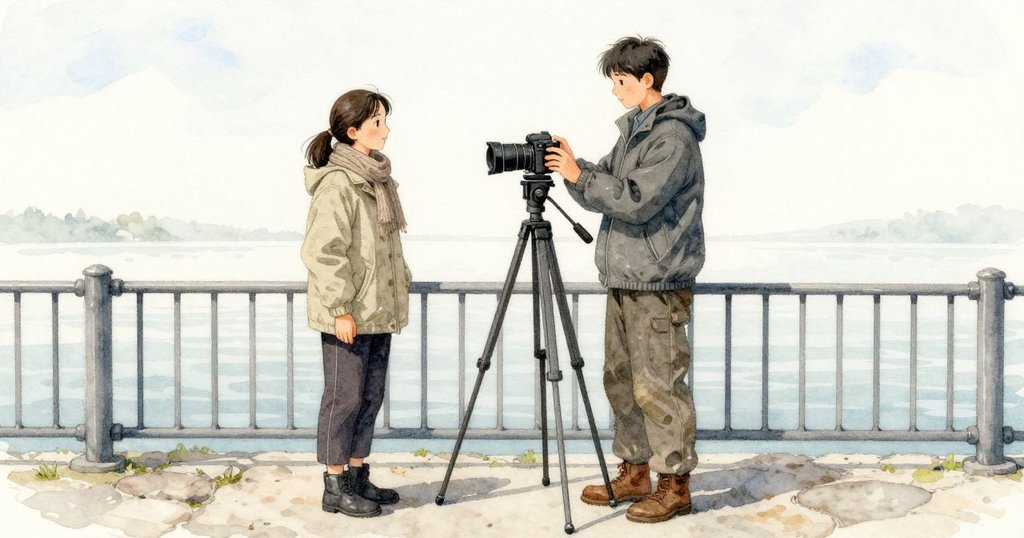
The tripod stood back from the quay edge on level stone, its feet spread wide, the swing-lens camera bolted above the head.
Nadine set our canvas bag against the center column, a quiet counterweight to the relentless wind flowing in from open water.
I leveled the horizon with the spirit bubble and tested the pan brake knob until the axis held firm without a quiver.
The wind pressed my jacket against my ribs, and the low safety gate behind us ticked as its latch tapped metal.
Nadine watched the empty sky band while I rolled the wind-up handle to load the spring that would carry the sweep.
The bird shifted just enough to show wet bronze at its flank, then settled again, narrow as a post carved by habit.
I slid my boot toe against a tripod leg for ballast, and the slight change lined my sight with its shoulder and throat.
Droplets clung to the barbs like little beads, trembled, and fell, leaving lines that broke before they reached the marker's base.
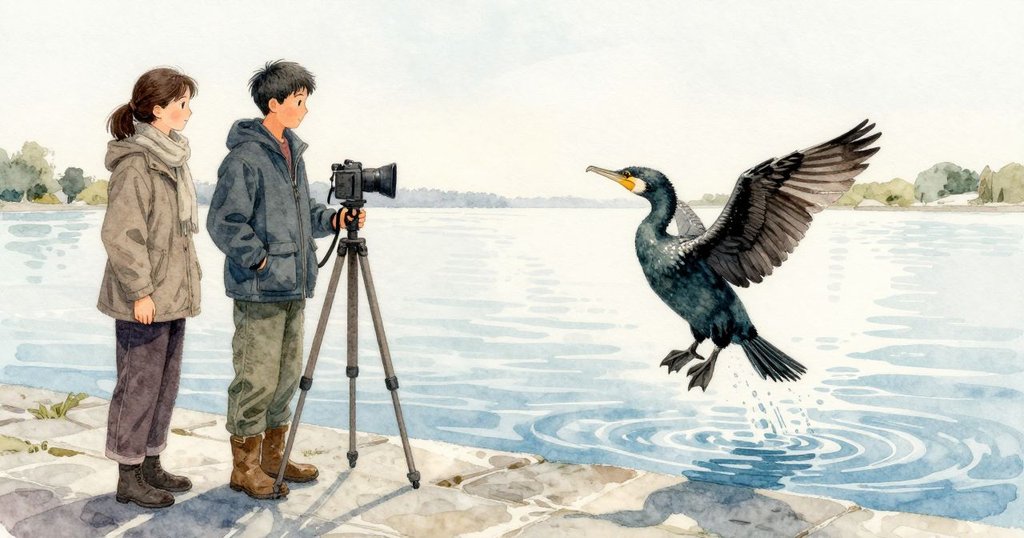
The stillness turned out to be a pause after work, and the wings began to unfurl in a slow, careful spread.
Two glossy panels reached wide, water threading off each tip, the throat opened slightly as if measuring the air.
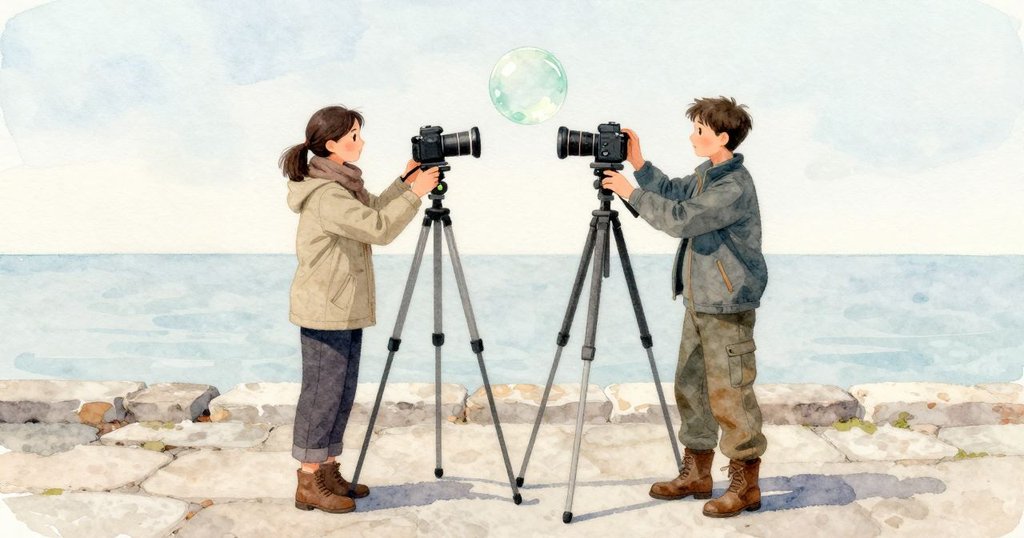
I eased the pan brake to the point where the head neither crept nor jolted, then set my thumb against the release.
The spring felt tight through the handle, a reined coil waiting to trade seconds for angle once I let it go.
A breath held somewhere under my collarbone, and my gaze checked the bubble again, then the horizon, then the slim dark bird.
I hovered for half a beat, then pressed; the sweep began, the lens turning inside while stones, water, and hands kept still.
The gate clicked again behind us, a light metronome that my ribs matched without moving the tripod a hair.
Across the sweep, the cormorant held open like a parenthesis, then shifted fractionally, one wing higher, the curved body cutting darker water.
The narrow slit inside traced that change as time, yet the platform and our shadows stayed drawn in a single, level band.
Nadine’s scarf fluttered once and lay quiet; my forearm steadied against my side, elbow set, boot firm on the leg.
What read first as statue now showed labor, with wet streaks shining and breath working the throat in a narrow pulse.
I kept the pan brake snug and held the horizon on that bird as its wings continued to unfurl.
繁體中文 Translation
一隻黑色的鳥站在航道標誌柱上,身形細長、直立,頭側過去,喉線在淡色水面上勾出銳利輪廓。
距離雖遠,外形仍然清楚,羽脊在側向的光裡發亮,靠近地平線的位置。
牠的頭微微歪著,帶著沉思般的角度,不是念頭,只是身段與穩定的風相接。
牠眨了一下眼,把一隻腳更緊地扣住包了蓋的鋼柱,接著回到維持著的靜止。
在牠之外,水面把一條長而不斷的線拉過視野,午后的天空安穩,明亮而無船。
三腳架立在碼頭邊的平整石面上,腳張得很開,上方鎖著擺鏡式全景相機。
Nadine 把帆布袋靠在中柱上,成了安靜的配重,對抗從外海吹來不歇的風。
我用水平氣泡對齊地平線,又試了幾次水平煞車旋鈕,直到轉軸穩穩停住,不帶一絲顫抖。
風把外套貼在我的肋骨上,身後的安全小門因為門扣輕碰金屬而發出喀嗒聲。
Nadine 望著那一道空空的天空帶,而我轉動上發條手柄,把會帶動掃掠的發條上緊。
那隻鳥略微挪動,側胸露出一抹濕潤的古銅色,隨即又安下來,細長得像習慣雕出的樁子。
我把鞋尖輕抵在一支腳上當配重,這一點點改變讓我的視線與牠的肩與喉線正好排成一線。
小水珠像顆粒一樣掛在羽枝上,顫了顫便落下,留下的細線在抵達柱腳前就斷掉。
這份靜止原來是做完工的停頓,翅膀開始慢慢展開,動作小心而從容。
兩片有光澤的面板向外張開,水沿著每一端穿線滑落,喉部微微張合,像在量著空氣。
我把水平煞車放到既不偷移也不猛跳的位置,然後把拇指靠上釋放鈕。
透過手柄能感到發條的飽滿,像收住的線圈,一放手就要把秒數換成角度。
有一口氣停在鎖骨下方,我的目光又查了一次氣泡,接著是地平線,然後是那隻細長的黑鳥。
我停了一小拍,按下去;掃掠開始,鏡頭在機身裡轉動,而石頭、水面與雙手都維持不動。
身後的小門再次一響,像輕巧的節拍器,我的胸口跟著節奏,三腳架卻一絲不晃。
在掃掠的過程裡,鸕鶿像一個張開的括號,又微微調了一下,一邊翅更高,弧形身體切過較深的水色。
機身裡那道狹縫把那點改變記成了時間,而平台與我們的影子則被畫成單一而平直的帶子。
Nadine 的圍巾拂動一下便靜了;我的前臂貼住身側,手肘定住,鞋底踏穩在腳上。
起初看來像雕像的東西此刻顯出勞作的痕跡,濕亮的條紋發光,呼吸在喉間畫出細緩的脈動。
我把水平煞車維持緊實,讓地平線穩穩對齊那隻鳥,而牠的翅膀還在繼續展開。
Vocabulary in Context
- brake
煞車;讓運動減緩或固定的裝置;此處指相機雲台的阻尼/制動旋鈕。
“I inched the pan brake tighter until the head held steady, neither creeping nor snapping when the sweep began.”
我一點一點收緊水平制動,直到雲台穩住,開掃時既不爬動也不猛跳。
- unfurl
展開、舒展(從捲起或收攏狀態打開)。
“Its wings unfurled by measured degrees, water threading from each tip while the horizon line held level.”
牠的雙翼一度一度地展開,水絲自翼尖滑落,而地平線仍保持筆直。
- pensive
若有所思的;帶著沉思神情的(強調外表與姿態的氣質,不一定真的在思考)。
“A pensive tilt traveled down the bird’s throat line as the wind pressed, posture answering more than thought.”
風壓上來時,那鳥在喉線上浮出一抹沉思似的傾角,像姿態回答多於思考。
- gate
門、閘門;用於圍欄或通道的可開關柵欄;此處為低矮的安全門。
“Behind us, the low safety gate clicked lightly, a neat metronome my ribs echoed without shifting the tripod.”
我們身後那道低矮的安全門輕輕喀答,像節拍器,我的胸口跟著節奏卻不動到腳架。
- relentless
不間斷、毫不鬆懈的;持續強勁的。
“The wind stayed relentless against our jackets as the sweep waited, the tripod planted and the bubble level.”
風不斷地頂著我們的外套,掃掠尚待開始,腳架穩穩扎住,氣泡水平保持筆直。
Teacher's Spark
AI-generated teaching prompts to help teachers extend a story
Story Discussion - Cormorant Sweep
就感官層面而言,作者如何透過具體細節讓讀者「看見」與「感到」現場?請列出三項具體描寫(視覺、觸覺或聽覺),並簡述每項描寫如何強化現場感。
開放式參考答案
視覺:羽脊在側向的光裡發亮──用光線突顯羽毛質感,使鳥與遠處地平線在明暗上分離。觸覺:風把外套貼在我的肋骨上──把觀者的身體感帶入場景,讓讀者感到風的壓力與冷度。聽覺:安全小門喀嗒作響──節拍化的微小聲響提供時間感,和鏡頭掃掠的節奏互為呼應。
文中那種『靜止』的描寫只是單純的缺乏動作,還是被呈現為一段暫時的、在行動之後的停頓?(是/否)並寫出一兩句支持你判斷的文本依據。
是非題參考答案
是。作者描述「這份靜止原來是做完工的停頓,翅膀開始慢慢展開」,並且接著寫出羽翼展開與呼吸的脈動,顯示靜止是暫時且隨後有動作。
把從外海吹來的風到鏡頭完成掃掠之間的因果鏈寫成至少四個連續步驟,指出每一步如何引發下一步,以及這條鏈如何把人類與鳥的動作連在一起。
開放式參考答案
1) 風從外海吹來,造成環境的持續壓力(風把外套貼在肋骨上)。2) 風促使攝影者用三腳架與發條穩定裝置來對抗不穩定(水平氣泡、煞車、發條上緊)。3) 當攝影者放開釋放鈕,儲存的機械能轉成鏡頭的掃掠(發條換成角度)。4) 鏡頭的掃掠記錄到鳥由靜止到展翼的動態(鏡頭裡的狹縫把改變記成時間)。整條鏈把自然力(風)、人體準備(穩定、按下)、機械動作(發條與鏡頭運動)與鳥的生物動作串成一個連續的時間流。
從敘述者的細節動作(例如拇指靠在釋放鈕、鞋尖作為配重、胸口跟著門的節奏)推論他在按下去前的心理狀態,請具體說明兩種可觀察到的內心傾向。
開放式參考答案
第一,專注且克制:多次檢查氣泡、把煞車調到既不偷移也不猛跳,顯示他在尋求精準與控制。第二,緊張但平靜的期待:胸口有『一口氣停在鎖骨下方』、手指懸在釋放鈕,暗示有期待的張力和被壓抑的興奮。
把下列三個物件當作象徵來讀:《地平線》、《發條(spring)》、《小門的喀嗒聲》。每項可能象徵什麼意義?各自用一句話說明。
開放式參考答案
地平線:象徵秩序與界線,是攝影者對齊世界的準則與視覺穩定的標尺。發條:象徵儲存的時間與有控制的能量,代表把時間換成影像的機械隱喻。小門的喀嗒聲:象徵節拍與時間流動的微小標記,為場景提供可感知的節奏感。
請填入文中描寫鳥張開翅膀時的英文比喻短語(以原文形式回答)。
填空題參考答案
held open like a parenthesis
把這段文字與傳統的海邊自然觀察或攝影描寫相比:作者在哪些方面遵循了那種傳統的寫法?在哪些方面又做出轉化或現代化的處理?請分兩點說明(一點遵循、一點轉化)。
開放式參考答案
遵循:對細節的精細觀察與寫實描繪(光線、羽毛、水滴、動作的微小變化)延續了自然觀察文學的傳統,重視直接感知與物的呈現。轉化:把觀察放在機械媒介與時間交換的語境中(發條、煞車、鏡頭的狹縫記錄時間),以科技和操作的隱喻改寫傳統的「觀看」,使人與自然的相遇帶有介入與製作的雙重性。
Role Play - Releasing the Sweep as the Cormorant Unfurls Its Wings
情境
情境:在碼頭邊的平整石面,三腳架穩穩立著,Nadine 把帆布袋靠在中柱當配重,海風不斷吹來,身後的小門輕輕作響。此刻你們正站在那一小拍的邊緣:發條已上緊、水平氣泡已對準地平線、水平煞車調到既不偷移也不跳動的位置;鸕鶿開始慢慢展開翅膀,側胸露出濕亮的古銅色。教學目標:練習在緊要瞬間以簡明、冷靜的英語發出協調指令(timing, observation, brief cues),同時描述眼前的感官細節並回應同伴的提示。教師提示:分配兩個角色(Nadine / Photographer),鼓勵學生在對話中包含具體觀察(例如氣泡、煞車、羽毛的濕亮、門的喀嗒聲),並練習處理突發的微幅動作(鳥翼略調、風力變化)。可要求每輪交換角色,並嘗試以不同口氣(更平穩或更緊張)來比較哪種語言更能穩定操作和溝通。
角色
開場白建議
- •“Keep the horizon locked—I'm going to release the sweep on three; watch the spirit bubble and don't let the head creep.”
- •“Nadine, the cormorant just showed a wet bronze flank and is unfurling a wing—brace the bag and call out if you see any sudden shift.”
Creative Writing - Nadine's Side Moment
寫作提示
任務說明(給老師):引導學生從 Nadine 的視角,或描寫一個敘述者未直接看到的側面片刻,寫出一段與原故事同根的延續。請要求學生以英文完成,長度為 150–200 words,並在作品中至少使用下方 word_bank 的六個單字。提醒學生維持故事的感官紋理(風、海、水珠、相機裝置、三腳架、帆布袋、門的喀嗒聲等),不要改變場景或主要角色。以下為教師示例(示範延續,繁體中文,約150字)供說明語氣與取材方向: 示範延續(教師示例): Nadine 把帆布袋再擺正,一隻手壓著袋口,另一隻從裡面摸出一支舊鉛筆和摺疊紙。風帶著海鹹味過來,她把圍巾拉高一點,聽見小門又輕輕喀嗒。她瞇眼看著鳥的喉部,那些濕亮的線條讓她想起遠處早晨的潮水。在紙上她畫了幾筆簡單的輪廓,像是在記錄一個等待的節拍——呼氣、按鈕、掃掠。這是一個小儀式,讓她在靜止裡找到行動的秩序。當鏡頭開始轉動時,Nadine 把手放回帆布袋,確定配重穩當,心裡有一種溫和的確信:時間會把這一刻帶走,但她已經把它記下了。 教師提示:鼓勵學生專注細節描寫(觸覺、聲音、節奏),並用內心獨白或短暫回憶來豐富 Nadine 的內在動機。作品應保持安全、溫和且正向的情緒基調。
詞彙庫
寫作輔助
- • From Nadine's pocket she pulled out a small folded paper that...
- • I steadied the canvas bag with my knee and remembered the day when...
- • The wind brushed my scarf and for a moment I thought of...
- • Before the release, Nadine counted her breaths because...
- • A single droplet ran down the marker and it made me think of...
- • She adjusted the tripod and murmured to herself that...
Vocabulary & Grammar Focus
重點單字
channel marker
航道標誌柱;水域中用來標示航道位置的柱狀標記,常被風浪和鳥類停棲。
A dark bird balanced on the channel marker, its throat line sharp against the pale streak of water.
ridge
羽脊;羽毛排列形成的脊狀突線,在側光下會顯出亮度或紋理。
Feather ridges along its back caught the side light near the horizon.
tilt
微傾、傾斜;頭部或物體輕微傾向一側,表現姿態或方向。
The tilt of its head suggested a pensive angle, posture meeting the wind's steady push.
throat
喉部;鳥類胸前連接頭部的區域,能見到呼吸或張合的細微動作。
The bird's throat opened slightly, measuring the air as water threaded off each wingtip.
tripod
三腳架;相機支撐架,腳張開以保持穩定並支承相機重量。
The tripod stood back from the quay edge on level stone, feet spread wide beneath the camera.
pan brake
水平煞車;控制相機水平掃掠時是否平穩移動的調節裝置。
I eased the pan brake until the head neither crept nor jolted, then set my thumb.
spring
發條;捲繞的彈性金屬,儲存能量以驅動機械運動。
I wound the spring tight with the handle, the coil restrained, ready to trade seconds for angle.
sweep
掃掠;鏡頭或視線從一側平滑移動到另一側的動作或過程。
I hovered for half a beat, then pressed; the sweep began while lens and stones stayed still.
cormorant
鸕鶿;一種善於潛水的海鳥,身形細長且羽毛常帶濕亮的光澤。
Across the sweep, the cormorant held open like a parenthesis, its body cutting darker water.
droplets
小水滴;附著在羽枝或表面上的微小水珠,會顫動並最終落下。
Droplets clung to the barbs like beads, trembling before they fell along faint lines.
文法重點
本故事頻繁使用現在分詞(-ing)構成的分詞短語來壓縮敘述,表示與主句同時發生的動作或由該動作產生的結果。例句如 "water threading off each tip"、"leaving lines that broke..."。這類結構把一個完整從句的資訊壓縮成一個非限定或伴隨的分詞片語,讓文字保持緊湊並強調動作的持續性或結果。教學時可以引導學生辨識這些 -ing 短語的時間關係(同時、結果、背景)並練習把分詞短語展開成完整從句(例如用 and they left / which left / when they fell 等),或反過來把從句濃縮成分詞短語,以體會寫作中的節奏與信息密度。
練習題
I eased the ___ until the head neither crept nor jolted, then set my thumb.
參考答案
pan brake
配對以下單字與意思:
顯示答案
A-10B-8C-4D-3E-7F-5G-9H-2I-1J-6
Droplets clung to the barbs like little beads, trembled, and fell, leaving lines that broke before they reached the marker's base.
參考答案
Droplets clung to the barbs like little beads, trembled, and fell, and they left lines that broke before they reached the marker's base.
文化連結 - 擺鏡式全景相機的拍攝儀式
主題
擺鏡式全景相機與三腳架的拍攝儀式
討論要點
- •故事裡有許多準備動作:用水平氣泡對齊地平線、調整水平煞車、把帆布袋當配重以及上緊發條。想一想你在外出拍照或觀察自然時會做哪些類似準備?請描述你的一個步驟,並說明它為何重要。
- •作者把小門的喀嗒聲、呼吸節奏和手指按下釋放鈕的瞬間連成一個節奏,讓整個場景像一個儀式。回想你生活中有沒有把一系列小動作組成儀式的經驗(例如整理工具、確認安全、互相默契的等待)。挑一個例子,說明這些動作如何幫助你保持專注或安心。
- •故事中用的是機械式的掃掠鏡頭:發條、手柄、機械的秒數換成角度來記錄時間。思考一下,機械儀具與數位器材在記錄自然或時間感上的差異會是什麼?你覺得不同器材會如何改變觀察的心態?
文化比較
在故事呈現的英文語境中,拍攝是一種細緻且近乎儀式化的個人或小組活動:使用擺鏡式全景相機、上緊發條、用水平氣泡一再校準,甚至把帆布袋當作即興配重,以靜默、節拍與耐心與自然對話。相較之下,在繁體中文使用環境中(例如台灣的海岸、碼頭或市區觀察點),人們記錄風景的工具與習慣可能更為多樣:有人以智慧型手機快速捕捉瞬間,有人帶數位單眼並一樣用三腳架做細部調整;在公眾碼頭,拍攝行為也常與旁人的活動交織——有人一邊準備保溫杯或遮陽帽,有的與漁民或散步者互動。兩邊都重視準備與對環境的尊重,但具體的物件(機械發條 vs. 數位快門)、節奏(慢速儀式感 vs. 靈活即時)和現場的人際互動會影響觀察者的專注方式與儀式感。
Comprehension Quiz
1. Where was the dark bird standing?
2. What did Nadine set against the center column as a counterweight?
3. What did the narrator use to level the horizon before taking the sweep?
4. How did the wind physically affect the narrator?
5. How did the narrator initiate the camera's sweep?
6. During the sweep, the bird was described as holding open like what shape?
Recommended Reading
Oystercatcher at the Draining Pool
Morning on the Marsh Ridge
Sandpiper on the Net’s Cool Edge
Morning Beside the Windy Cliffs
When the Heron Matched the Dripping Glass Viewer
Swallow Lifts a Curl at the Ferris Wheel Top
Weather Vane Shadow at the Magnifying Desk
Robin at the Cistern Grid: One Timed Camera Click
Crack Forming in the Gate Beam
A Bird at the Rain Gauge and the Barograph Trace
Heron at the Canal Edge