A Loose Rake Collar Alters the Gravel Garden Lines - 適合進階的英文短篇故事,含中譯與發音
鬆動耙圈改變禪庭碎石紋 | 英文/中文 雙語朗讀
Story Content
English Original
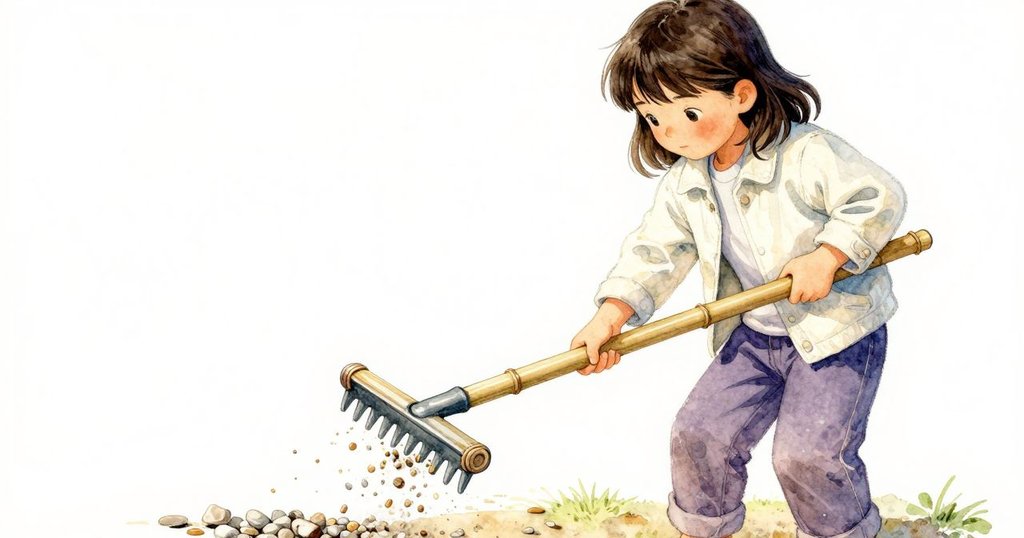
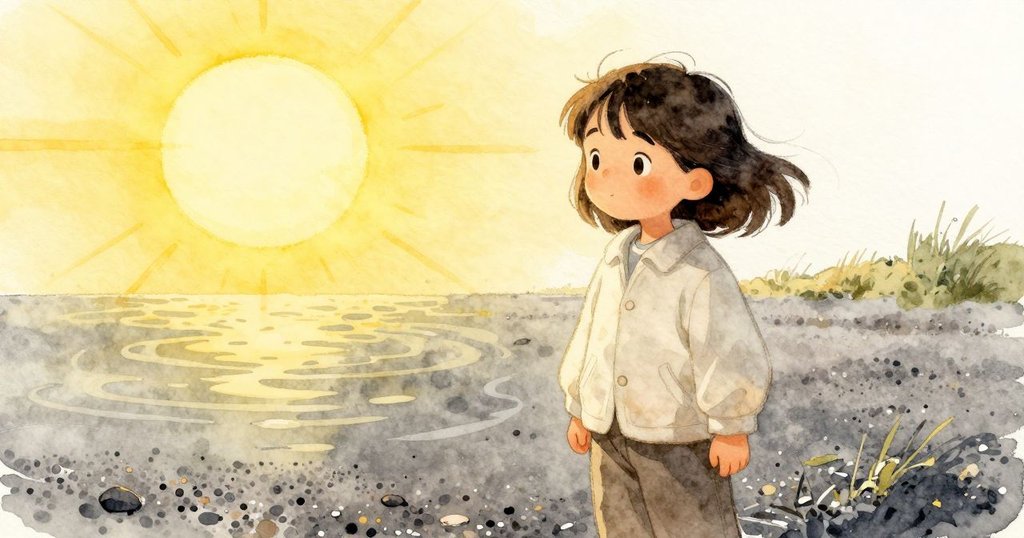
Every dawn Ursa drew the rake across the granite bed, yet today the tines clicked twice, then sprang wider as a hidden pin slipped free. Fine grains trickled through the sudden gap, coating her lower lip with a faint mineral taste. The air itself carried that briny grit, a reminder that stone can dissolve like salt when cut small enough. Rarely had the garden offered such noise, so she crouched, tongue brushing the metallic dust, and saw the bamboo collar slide each time the rake tilted. What stopped the rattle was a slim wooden catch: weight settled, collar slid, tines fanned, gravel flowed. The mechanism revealed itself as plainly as broth simmering once a lid lifted slowly.
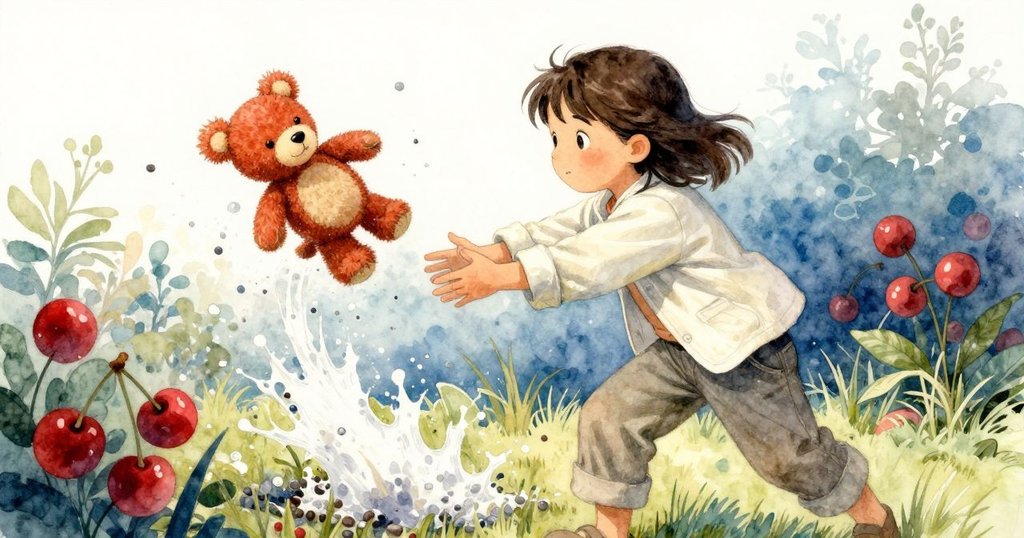
Ursa straightened, certain the catch merely needed tightening; the garden, after all, relied on predictable tools the way a bakery relies on a steady batch of dough. She pressed the peg back, drew a trial line, and watched the ridges form slick crescents around the largest stone. Their edges proved neat enough to taste, chalky and sweet as rice flour lingering after kneading. Yesterday’s pattern showed no such bold arcs, and she allowed them to spread, believing they would calm, not contradict, the quiet water image she chased. Yet, midway through a stroke, the catch slipped again; gravel gushed. Ridges collapsed, and the plush toy that a visiting child had left by the wall sank to its stuffed knees in the flow. It was the looseness of the collar that so quietly turned morning precision into a clumsy spill.
Ursa lifted the soggy bear by one ear, brushed the grit from its velveteen snout, and set it beyond the wall. Yet her gaze stayed on the ruined pattern, a taste of chalk still coating her tongue. Had the morning sun risen higher, the furrows would already have flattened, but in this oblique light every slip stood exposed. She could smooth everything and start again, or she could let the shapes evolve from the accident, refusing to stagnate in the comfort of repetition. After three breaths she lowered the rake, chose a fresh angle, and drew a line that slithered between the shrunken ridges, neither river nor ripple, something unnamed.
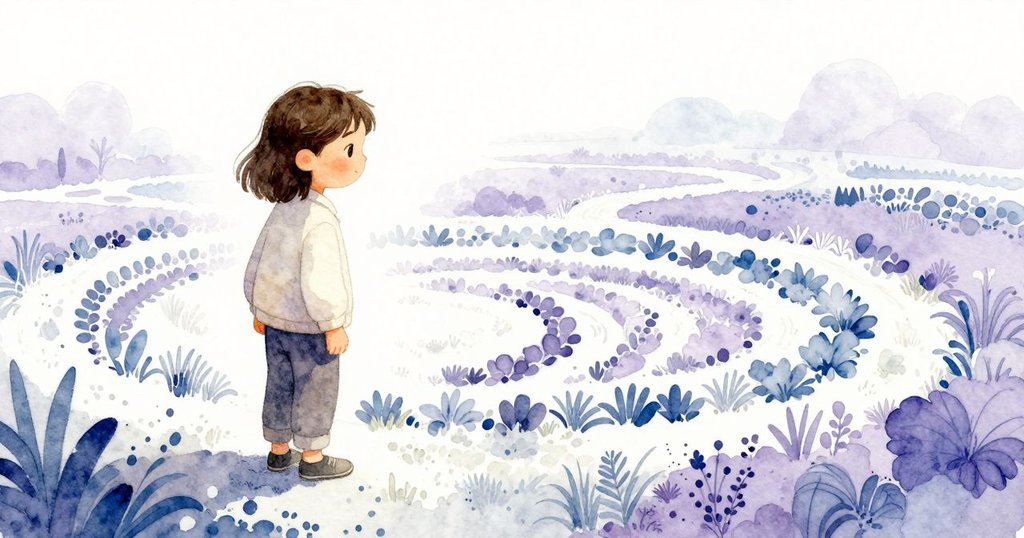
Rake balanced against the border stone, Ursa stepped back from the freshly turbulent surface and pressed a fingertip to her lower lip, tasting the lingering grit once more. The pattern before her refused to decide what it wanted to be; crescents bled into waves. Straight channels buckled, and tiny avalanches chased one another down the slopes of each ridge. She waited, hands loose at her sides, noticing how even the air seemed thicker, almost broth-like, as if the garden itself had been stirred. It was not silence she listened for but the furtive movement of settling gravel around the stones. In the shallow furrows, a slow trickle of grains kept sliding and sliding onward.
繁體中文 Translation
天一亮,烏薩照例把木耙拉過白色碎石,但今天竹齒先是喀喀兩聲,接著因一枚暗釘脫落而突然張開。細碎石粒從裂縫間流瀉,在她下唇留下淡淡礦物鹹味。連空氣也帶著鹽霧般的顆粒,提醒人們:石頭被磨得夠細,也會像鹽般融化。花園難得這般喧響,她便俯身,用舌尖拂去金屬粉塵,看見竹圈隨耙柄傾斜而滑動。當重量落定、竹圈後移,齒梳便張開,礫石湧動——機關如掀開鍋蓋後的湯面,直接而明白。
烏薩站直身子,自信只要把卡扣按回去即可;畢竟,這座庭園仰賴的工具,就像麵包店得靠那一批穩定的麵糰。她推回釘栓,試畫一道線,看見新壟繞過最大石頭形成光滑月牙。邊緣乾淨得可以嚐到,像揉麵後殘留的米粉般粉甜。昨日的紋路可沒有這樣大膽的弧,她任其擴散,笃信能增添而非破壞河水意象。然而半途卡扣再度鬆脫,碎石猛然奔流,壟脊坍陷;一隻遊客小孩遺落的布偶被埋到絨膝。正是竹圈的鬆動,把清晨的精細變成了笨拙的崩潰。
烏薩捏住那隻溼重小熊的耳朵,抖去鼻端砂礫,放到牆外;她的目光卻仍黏在被毀的花紋上,舌尖仍滯著粉石氣息。若晨陽再高些,溝槽早被壓平,但斜光下,每一次失手都明晃晃地暴露。她可以完全刮平重新開始,也可以任意外圖案自生自滅,不讓習慣把形態凝固。三次呼吸後,她放低耙子,換了角度,在縮小的壟脊間劃出一條游走的線;它既非河道亦非漣漪,是尚未命名的東西。
耙子靠在邊石上,烏薩退後一步,再次舔了舔唇上殘留的礫粉。眼前的圖案似乎無法決定自己要成為什麼;月牙滲入波紋,直槽彎折,小型雪崩追逐著滑下每座砂坡。她靜立,雙手放鬆在身側,甚至覺得空氣變稠,像被攪拌的高湯。她傾聽的不是寂靜,而是石粒悄悄落定的動聲。在淺淺的溝隙裡,緩慢的砂流仍持續滑動、滑動。
Vocabulary in Context
- slick
光滑的,通常指表面平滑且無瑕疵的。
“The slick surface of the stone reflected the morning light beautifully.”
石頭光滑的表面美麗地反射出晨光。
- evolve
逐漸發展或變化,通常指生物或思想的演變。
“Over time, the garden will evolve into a vibrant ecosystem.”
隨著時間的推移,花園將演變成一個充滿活力的生態系統。
- plush toy
柔軟的玩具,通常是用絨毛材料製作的,適合擁抱或玩耍。
“The child hugged her plush toy tightly during the storm.”
在暴風雨中,孩子緊緊抱著她的柔軟玩具。
- batch
一組或一批物品,通常是在同一時間內處理或製作的。
“She prepared a batch of seeds to plant in the spring.”
她準備了一批種子,在春天播種。
- stagnate
停滯不前,不發展或變化。
“Without care, the garden might stagnate and lose its beauty.”
如果不加以照顧,花園可能會停滯不前,失去美麗。
Recommended Reading
The Subtle Shift of the Basalt Stone
The Gravel Ridge That Finally Slumped in Morning Light
Boot Print, Rake Lines, and a Cold Cup of Tea
Removing a Pebble to Keep One Curve in the Gravel Garden
The Pebble That Returned to the Raked Garden
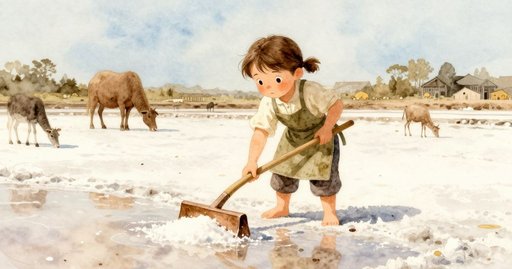
The Missing Salt Ridge at the Evaporation Pools
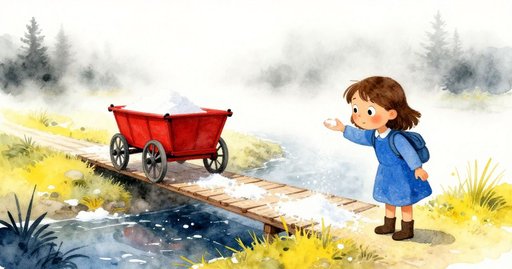
Silence Over the Salt Pools
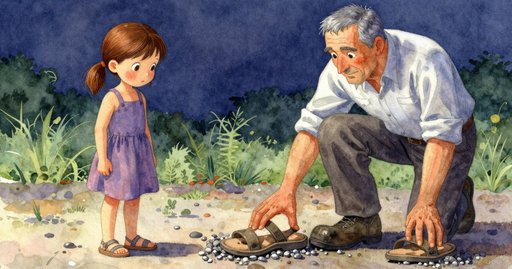
Wildcat Prints Reshape the Gravel Garden
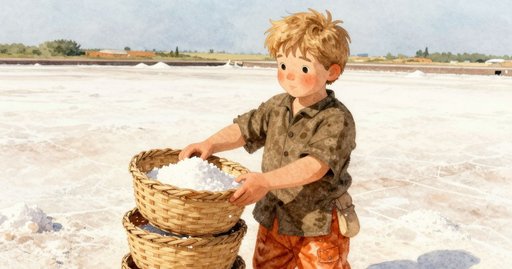
The Rising Ridge in the Salt Pan
The Stake That Moved
Rake Rhythm and the Peg That Jutted on the Salt Pan