The Page That Rode the Tide - 適合進階的英文短篇故事,含中譯與發音
隨潮漂流的紙頁 | 英文/中文 雙語朗讀
故事內容
English 原文
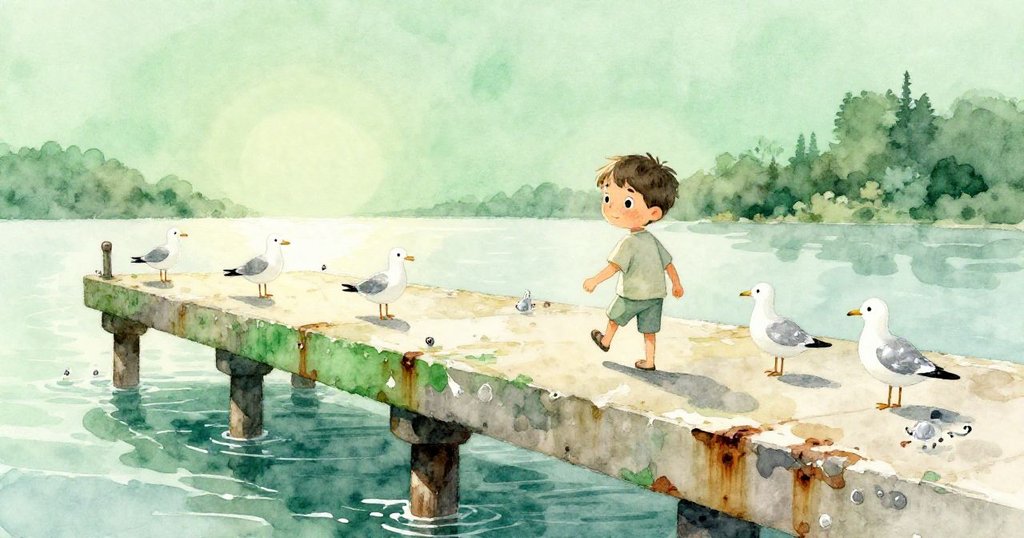
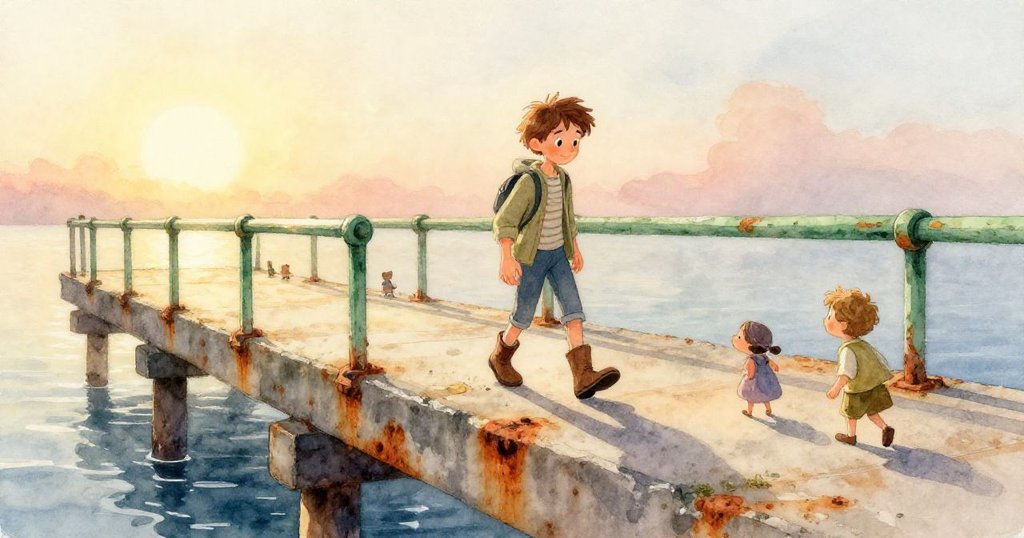
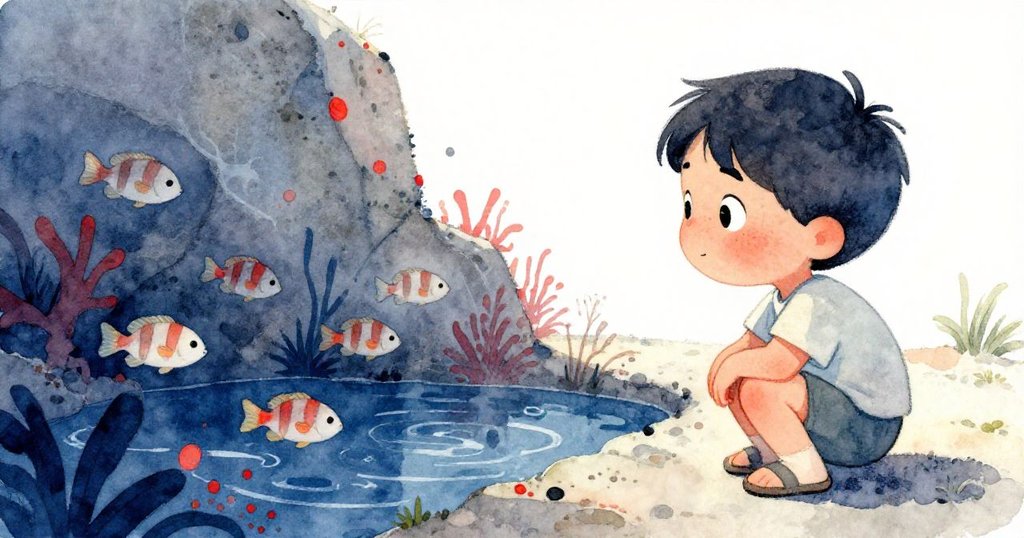
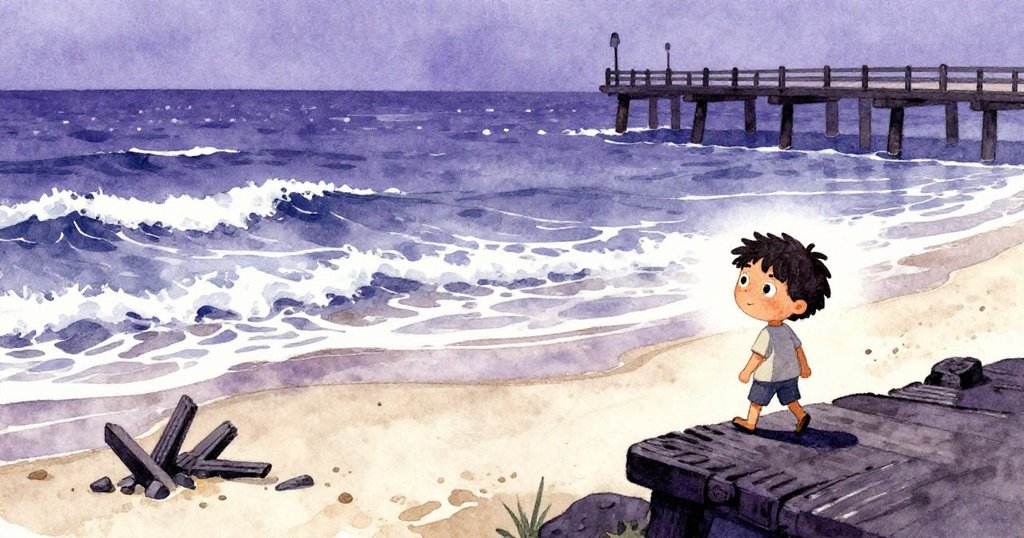
Leo stepped onto the weathered concrete pier an hour after sunrise. The rails showed flaking layers of green paint; orange rust streaked downward, marking years of salt spray. Near his boots, tiny puddles stayed trapped between cracked slabs, each forming a miniature maze of pools. He carried a thin notebook and a short measuring rod, hoping to compare today’s shoreline with sketches drawn by someone decades earlier. Beyond the breakwater, oceanic currents folded and unfolded against each other, sending pulse-like swells that rocked the pier boards. Further along, stacks of broken dolosse lay where shifting sand had once kept them straight; their scattered arrangement offered a first hint of habitat fragmentation, as wide sheets of mussels clung only to isolated surfaces now. Leo crouched near one pool, watching striped blennies dart between algae threads. A passing gull swooped low. Its wing tip clipped the top corner of his open notebook, and sudden air pressure flipped the pages. The whole book slipped from his fingers, bounced once on the wet concrete, and slid toward a narrow gap between slabs.
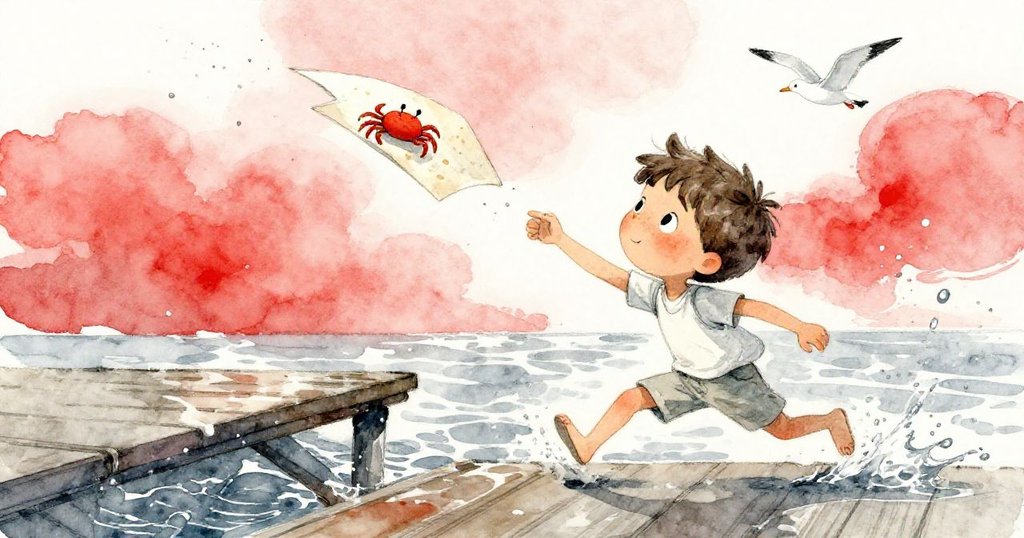
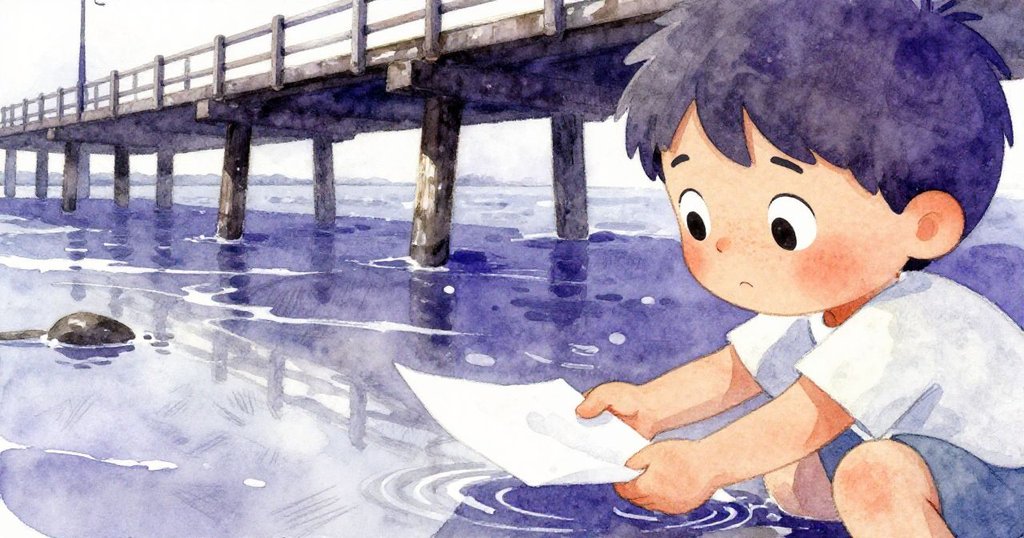
Leo lunged, yet a fresh surge rattled the pier. Water sprayed upward through that very gap, lifting the notebook and floating it out like a tiny raft. One loose page tore free and drifted over the pool, landing flat upon the water. A small shore crab scuttled onto the pale square, raising two claws as though testing its new raft; the unexpected tableau froze Leo’s reaching hands in mid-air. The page turned slowly, carried by ripples created by invisible interactions among plankton, sand grains, and the delicate balance that ruled every tide pool. By the time the crab leapt back to stone, faint pencil lines on the page had blurred. Leo retrieved the soaked sheet with his rod; swollen fibers revealed how ink, paper, and salt combined into their own quiet record of environmental impact. In the distance, construction noises from a new seawall blended with motorboat hums, plain evidence of human activities reshaping the bay. He folded the dripping page, placed it in a plastic sleeve, and tucked the notebook shell under his arm. The gull wheeled overhead once more, but this time the air stayed still. Foam hissed around the settled rocks.
繁體中文 翻譯
黎歐在日出後一小時踏上風化的混凝土碼頭。欄杆上的綠漆剝落,鹽霧留下的橘色鏽痕一路向下。腳邊的裂縫困住小水窪,形成迷你的潮池迷宮。他帶著薄筆記本和短測量棒,打算把今日海岸線與數十年前的素描做比較。防波堤外,洋流起伏交錯,脈動般的湧浪搖晃著木板。再遠處,一堆破損消波塊散落,原本被沙固定的排列如今歪斜;大面積青口只黏附在零散表面,透露出棲地破碎的跡象。黎歐蹲在一處潮池旁,看條紋鳚在藻絲間穿梭。一隻海鷗低飛掠過,翅尖碰到他打開的筆記本角落,猛然掀起書頁。整本書脫手,彈一下落在濕混凝土,又滑向兩塊板間的縫隙。
黎歐撲身追去,卻遇上一波新湧浪震動了碼頭。水花從那條縫隙竄起,把筆記本托起,像小筏般漂離。一張鬆脫的頁面撕出,飄到潮池上方,平躺在水面。一隻岸蟹爬上那張淺色紙片,兩隻螯抬起,似乎在試探新船;意外的畫面讓黎歐伸出的雙手僵在半空。紙片慢慢旋轉,隨浮游生物、沙粒與潮池規律交織出的細波前行,顯露出脆弱平衡的身影。等到蟹兒躍回岩石,紙上微弱的鉛筆線條已被模糊。黎歐用測量棒撈起浸水紙張;膨脹的纖維顯示墨跡、紙與鹽如何共同留下環境衝擊的靜默紀錄。遠方,新海堤的施工聲與快艇馬達混合,清楚呈現人類活動正改變海灣。他把濕紙折好,收入塑膠套,再夾著空殼筆記本。海鷗又在頭頂盤旋,但這回空氣保持平穩。泡沫嘶嘶地繞著靜止岩石。
情境單字卡
- habitat fragmentation
棲息地破碎化
“Habitat fragmentation can lead to a decline in biodiversity.”
棲息地破碎化可能導致生物多樣性的下降。
- human activities
人類活動
“Human activities are a major contributor to climate change.”
人類活動是氣候變化的主要因素。
- delicate balance
微妙的平衡
“The delicate balance of the ecosystem must be preserved to ensure the survival of many species.”
必須保護生態系統的微妙平衡,以確保許多物種的生存。
- oceanic currents
海洋流
“Oceanic currents play a crucial role in regulating the Earth's climate.”
海洋流在調節地球氣候方面起著至關重要的作用。
- environmental impact
環境影響
“The environmental impact of tourism can be significant if not managed properly.”
如果不妥善管理,旅遊的環境影響可能會很大。
推薦閱讀
When the Gazelle Landed
The Day Crabs Filled the Lighthouse
The Gull That Appeared on Wet Paper
Eliot Beneath the Evening Tide
The Groove Beneath the Tin Pail
The Boats Below
The Fork Where the Crab Turned
The Jar That Slipped Away
Wind Across the Sketchbook
The Waterlogged Pencil Beside the Tide Pool
Before the Tide Turns