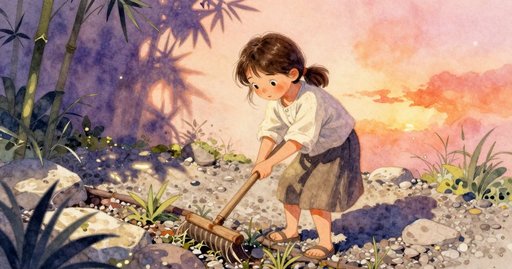
Boot Print, Rake Lines, and a Cold Cup of Tea - 適合進階的英文短篇故事,含中譯與發音
靴印、耙紋與一杯涼茶 | 英文/中文 雙語朗讀
故事內容
English 原文
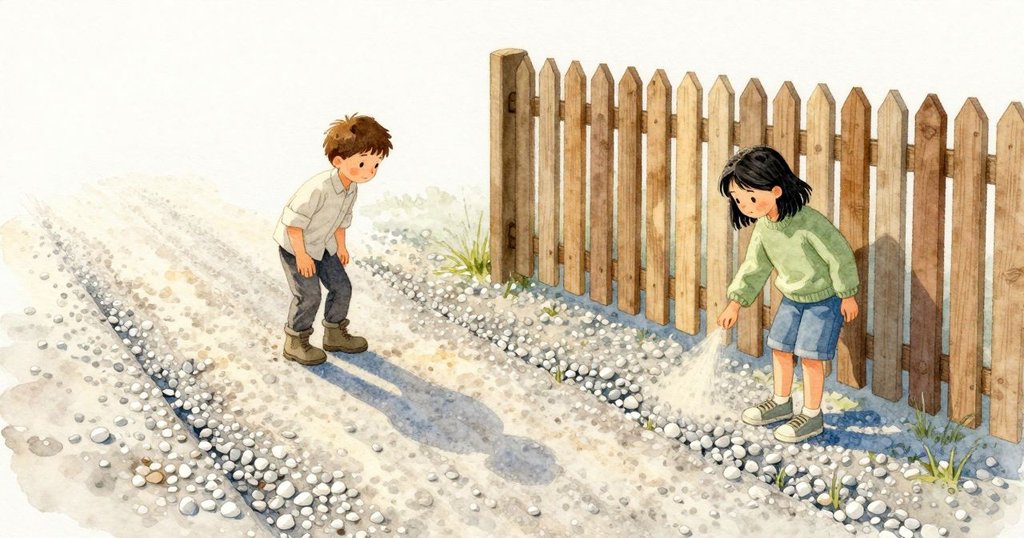
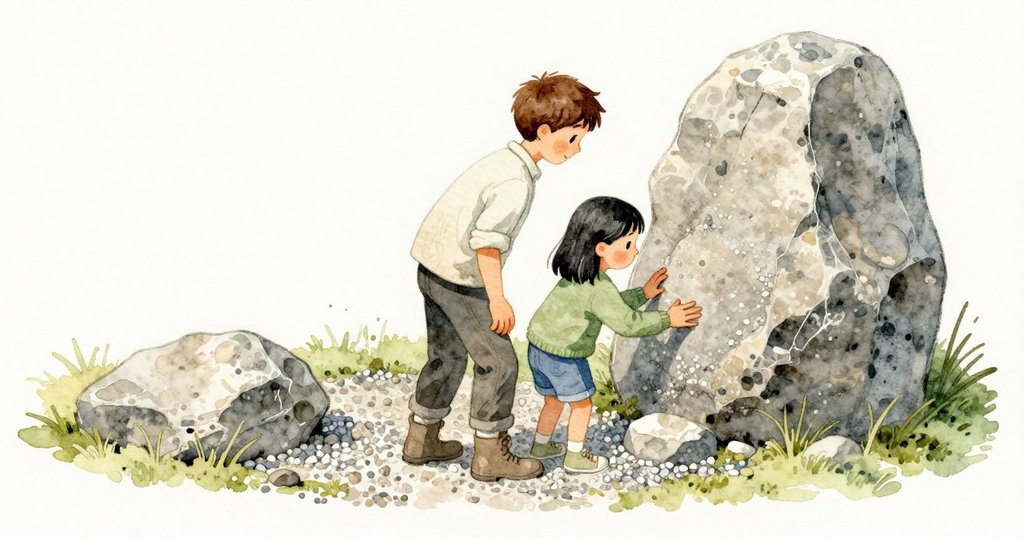
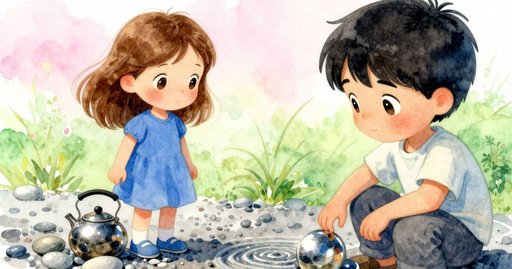
Three tiny dents crossed the fresh furrows near the cedar fence, spaced like steps too light for shoes.
"Who walked here?" Blair bent, brushed a ridge, and a chalky grit reached his tongue as dust lifted.
Morning light raked sideways across the white gravel, turning each ridge bright and each trough a thin blue shadow.
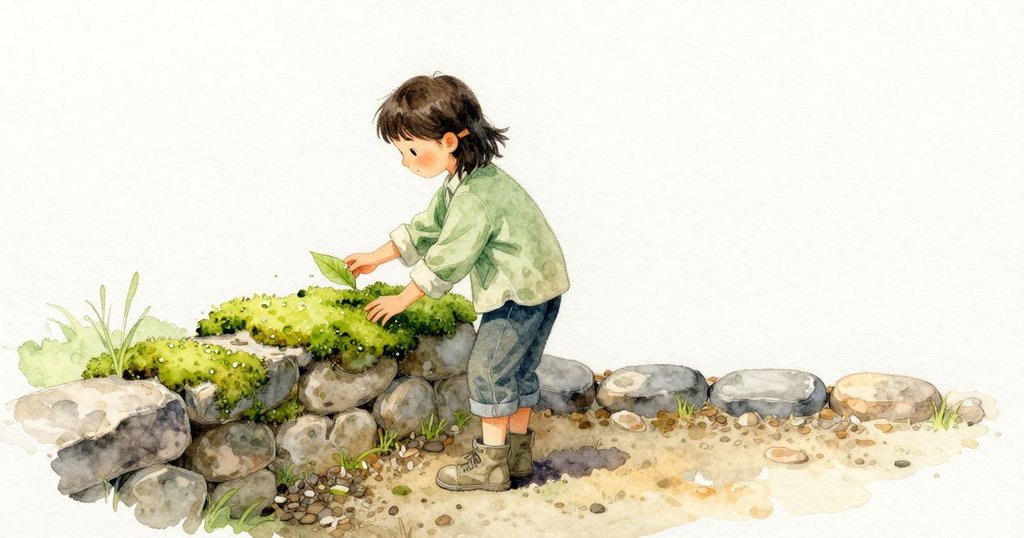
Hattie knelt by the border stones, lifting a leaf from the moss and setting it on the wall.
"Bird, maybe," she said, her voice low, and she touched the moss with the back of her hand.
Blair had allocated ten quiet minutes to straight runs along the wall before curving lines around the stones.
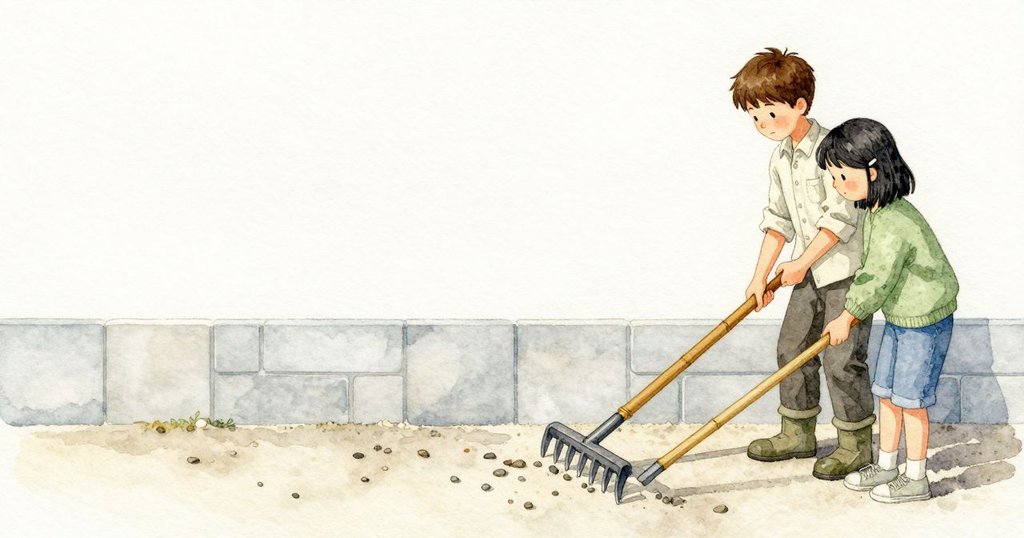
He set the wooden rake down flat, then drew it toward him, the bamboo tines hissing with a dry note.
A tine clicked against a larger grain, and his jaw paused, lips parting to taste the metallic tang.
He wanted the outer ring to revolve around the tallest stone without wobble, a refinement more felt than seen.
The rake's width set an immediate constraint, because tight turns collapsed the ridges unless the stroke stayed slow.
He reached farther to smooth the dents near the fence, but one boot print followed the reach and sat there, plain.
He backed along the stepping stones, angled the handle, and erased it, then another faint edge sank where his heel pivoted.
"It curves tight there," Hattie said from the moss, not moving, her eyes on the tall stone's blunt face.
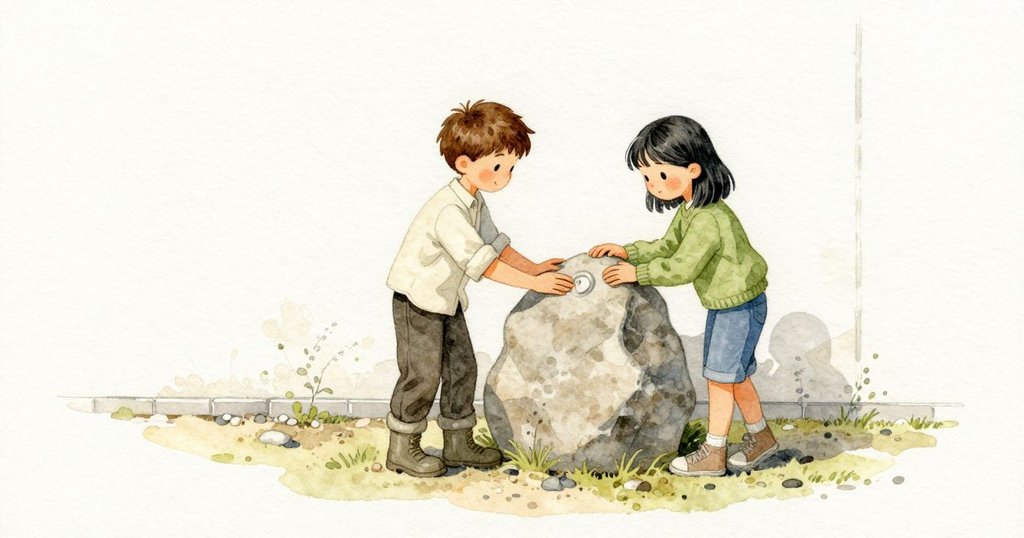
Blair lifted a palm-sized stone to clear a path, and under it the gravel showed a denser, finer patch from long sitting.
He weighed the stone with both hands and set it again, two finger-widths off its ghost, and the air tasted chalk-dry.
The ring he had shaped now missed the new anchor, so every line he saved from one side threw the other side askew.
He chased the curve anyway, the tines lifting barely, then settling, each pass sanded thinner by the climbing sun.
As the angle flattened, the ridges lost flavor on his tongue, turning from bright salt to something cool and almost plain.
He could rake the left side perfect or keep the dented corner clean, and the minutes left made both impossible.
He lowered the rake and drew one clear sweep around the tallest stone, letting the rest lie softer as counterpoint.
The straight runs near the wall stayed crisp, the corner smoothed, and he left one faint track he had allocated to memory.
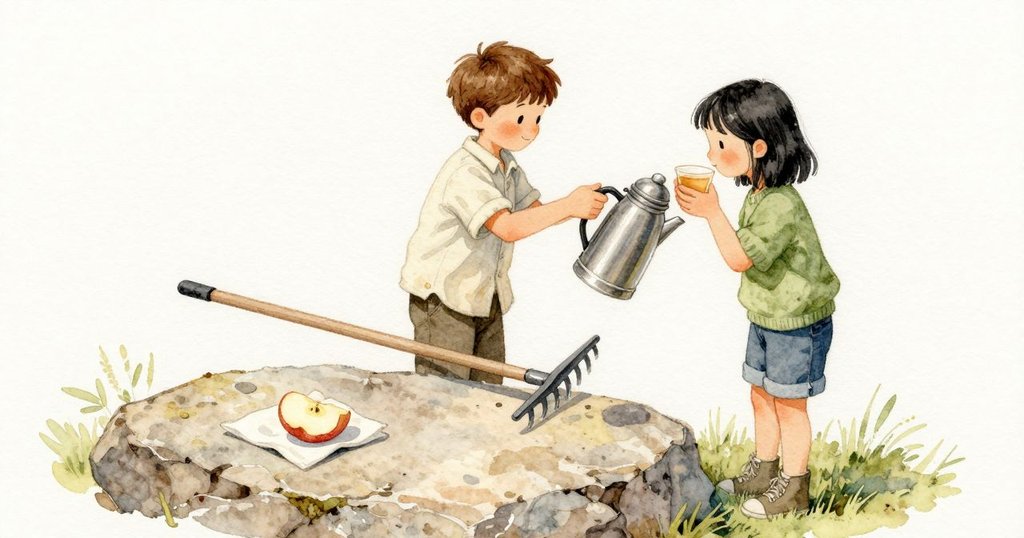
"Tea?" Hattie lifted the thermos, and he nodded, setting the rake's teeth on the wall to cool.
The cup touched his lip, and the barley tasted thin, a little tin from the steel, and softly sweet at the end.
Beside it on the low stone, an apple slice waited on a napkin, the cut edge already browned at one corner.
繁體中文 翻譯
雪松籬旁的新紋路被三個小凹痕劃過,間距像輕得不像穿鞋的腳步。
「誰走過這裡?」Blair 俯身拂過一條脊線,塵粉揚起,粉筆般的細粒碰上他的舌尖。
晨光斜刮過白色碎石,把每一道脊線照得發亮,把每一道槽影壓成細藍的陰影。
Hattie 在邊石旁跪著,把一片葉子從苔蘚上捏起,輕放到矮牆上。
「也許是鳥。」她壓低聲音,並用手背碰了碰那團苔蘚。
Blair 先把十分鐘留給靠牆的直線,再繞著石頭畫出彎線。
他把木耙平貼下去,再朝自己拉回,竹齒發出乾澀的一聲細嘶。
一根齒碰到較大的砂粒喀地一響,他下顎停住,微張的嘴嚐到一絲金屬味。
他想讓外圈繞最高的石頭旋過去而不晃動,那是一種更靠身體感出的細緻修整。
耙子的寬度立刻形成限制,因為轉得太緊會讓脊線塌下,除非筆劃保持很慢。
他伸得更遠去撫平靠籬旁的凹痕,卻留下一個靴印,緊跟著那一步停在原地,清清楚楚。
他沿著踏石退回來,斜轉柄端把印痕抹平,接著腳跟一轉,另一道淡淡的邊緣又陷了下去。
「那裡轉得很緊。」Hattie 待在苔上不動,眼睛落在那塊高石鈍鈍的側面。
Blair 抬起一塊掌大的石頭給路面讓開位置,底下的碎石露出一塊更緊實更細的印床,像久坐留下的痕。
他雙手掂量著又放回去,比那個舊影偏了兩指寬,空氣嚐起來乾得像粉筆。
他畫好的圓圈對不上新的錨點,於是這一邊剛保住的線條,另一邊就歪了出去。
他仍追著那條弧走,齒尖幾乎不離地又落下,每一遍都被升高的日光磨得更薄。
角度一變平,他舌尖上的紋理也淡了,從明亮的鹹轉成涼而近乎無味。
他可以把左側耙得完美,或讓那個有凹痕的角落保持乾淨,而剩下的幾分鐘讓兩者都辦不到。
他放低耙子,繞最高的石頭劃出一道清楚的弧,其餘便讓它們更柔地並置成對位。
靠牆的直線仍然俐落,那個角落被抹平,而他留下了一條淡淡的痕跡,當作自己分給記憶的一筆。
「喝茶嗎?」Hattie 提起保溫壺,他點了點頭,把耙齒擱在牆上讓它冷一冷。
杯緣碰到他的嘴唇,大麥茶的味道稀薄,帶一點鋼器的金屬味,收尾又輕輕回甜。
旁邊的矮石上,餐巾托著一片蘋果,切口的一角已經泛成褐色。
情境單字卡
- allocated
分配、撥出(時間、資源等);此處指安排出時間。
“Blair allocated ten quiet minutes to straight runs before daring the curves around the border stones.”
Blair 先撥出十分鐘畫直線,再去挑戰沿邊石的曲線。
- refinement
精緻化;細微而重要的改進或更精確的處理。
“He chased a refinement you sensed more than saw: the ring circling the stone without the slightest wobble.”
他追求一種看不太見、卻能感到的精緻:圍石的圓圈毫不晃動。
- revolve
環繞、圍著某個中心移動或旋轉。
“He needed the outer ring to revolve cleanly around the tallest stone, never snagging on a stray grain.”
他需要外圈乾淨地繞最高的石頭轉,不被任何一粒粗砂勾住。
- counterpoint
(音樂)對位;在一般語境中指能襯托或平衡主體的對比元素。
“He kept the straight runs crisp so the single sweep around the tall stone could stand as counterpoint.”
他讓靠牆的直線保持俐落,讓繞過高石的一筆成為襯托的對位。
- constraint
限制、制約條件,讓行動必須在某範圍內進行。
“The rake’s width became a constraint, forcing slower strokes where the path tightened around the anchor.”
耙子的寬度成了限制,在靠近基準石那裡只能放慢筆劃。
幫我想想
AI 生成教學線索,協助老師延伸故事使用
Story Discussion - Raking the Ring
從感官細節出發,描述故事如何用光、聲音與味道塑造場景氛圍?請指出三種不同的感官印象並說明它們如何影響讀者對場景的感受。
開放式參考答案
The morning light is described as raking sideways across the white gravel, which makes the ridges look bright and the troughs thin blue shadows; this creates a sharp visual contrast and a sense of careful, almost clinical clarity. The rake’s bamboo tines make a dry, hissing sound when drawn, adding a quiet, repetitive auditory texture that emphasizes slow, deliberate work. Taste imagery appears twice: the chalky grit on Blair’s tongue and the metallic tang when a grain clicks the tine, which introduce an intimate, bodily immediacy and a slight edge of discomfort. Together these sensory details produce a concentrated, meditative atmosphere where small imperfections feel significant.
Blair 為靠牆的直線留出十分鐘的決定,是否直接導致他在完成圓環時必須在細節之間做出妥協?請以「是」或「不是」回答並簡要說明理由。
是非題參考答案
Yes — his allocation of time and attention to straight runs created a constraint that made it impossible to perfect both the straight lines and the circular arcs; the limited time plus the rake’s physical width forced trade-offs.
列出導致 Blair 無法同時把左側耙得完美且保持有凹痕的角落乾淨的多步因果鏈。每一步用簡短片語描述,總共三到五步。
開放式參考答案
1) Blair allocates ten minutes to straight runs, prioritizing that area. 2) He focuses on a flawless outer ring around the tallest stone, which requires careful slow strokes. 3) A tine clicks a larger grain and he pauses, then reaches farther to smooth dents near the fence, leaving a boot print. 4) His attempts to erase prints (angling the handle, pivoting his heel) create new faint edges. 5) Moving a palm-sized stone reveals a different anchor and shifts the geometry, so saving lines on one side throws the other side askew, and time runs out, forcing compromise.
為何 Blair 選擇在最高的石頭周圍畫一道「清楚的弧」,卻讓其餘線條以較柔的方式並置?這個選擇揭示了他怎樣的內心或審美取向?
開放式參考答案
He chooses to make the arc around the tallest stone clearly defined because he treats that stone as the visual or emotional focal point; achieving perfection at the focal point matters more than uniform perfection. This reveals an aesthetic of selective control and economy: Blair values a single, decisive instance of refinement and is willing to accept softer, less controlled contexts elsewhere. Psychologically, it suggests prioritization, a preference for memorable small victories, and an acceptance that perfect control is unattainable across every detail.
在本文中,最高的石頭可能具有象徵意義。提出至少兩種不同但合理的象徵性解讀,並說明它們如何與耙痕、直線與彎線的意象相呼應。
開放式參考答案
One interpretation is that the tallest stone symbolizes a fixed center or goal: Blair orients his work around it, and the clear arc around it represents an attempt to achieve order and focus. The surrounding, softer lines then stand for the messier, less controllable aspects of life. Another interpretation reads the stone as a memory or a person: the care devoted to the stone’s immediate circle (the clear arc) reflects selective devotion, while the compromised lines show how attention to a single relationship or memory distorts or leaves less energy for everything else. In both readings, straight runs suggest discipline and routine, while curves suggest adaptability and compromise; the tension among them maps onto the symbolic meaning of the stone.
填空:把下面這句話補完正確的英文單字(單一單字)—— "He set the wooden rake down flat, then drew it toward him, the bamboo tines _____ with a dry note."
填空題參考答案
hissing
Story Discussion - Raking the Ring (Deep Discussion)
從味覺與身體感受推論,故事中口腔與味道的變化如何反映 Blair 對工作的投入與時間流逝?請給出兩到三個觀察並解釋。
開放式參考答案
故事一開始的「粉筆般的細粒碰上他的舌尖」與後來那一瞬的「金屬味」,表明 Blair 在專注工作時身體直接接收細微刺激,說明他的注意力是近身且細緻的。隨著日光爬升,作者寫到「舌尖上的紋理也淡了」「從明亮的鹹轉成涼而近乎無味」,這反映出時間帶來的疲乏或麻木——同樣的動作在持續下失去鮮明感。最後端起的大麥茶「帶一點鋼器的金屬味,收尾又輕輕回甜」像一個結束的禮節,既有疲累的痕跡也有小小的安慰,顯示工作結束後情緒從緊張轉向平緩。
列出一條因果鏈,說明:耙子的寬度與日光爬升如何一起導致脊線變薄並影響 Blair 的選擇。每一步以短句表示,總共四步。
開放式參考答案
1) The rake's fixed width limits how tight Blair can turn without collapsing ridges. 2) To avoid collapse he must stroke more slowly and keep the tines barely lifting. 3) As the sun climbs, each pass is sanded thinner because light increases visibility and heat shortens tolerances. 4) The thinner ridges and reduced margin for error force Blair to choose which areas to perfect and which to let lie softer.
從 Hattie 的話語與動作(跪在苔上、把葉子放在牆上、提保溫壺),推論她在這個場景中扮演的情感或敘事功能。請提供兩種合理的推論並舉證文中細節。
開放式參考答案
推論一:溫和的陪伴者——她蹲在邊石、動作輕柔(把葉子放到牆上、用手背碰苔蘚),並低聲說「也許是鳥」,顯示她既在旁觀察也不打擾,提供靜默支持。推論二:實務上的同伴與時間標記者——她提起保溫壺問「喝茶嗎?」並把茶遞給 Blair,這個動作既是日常的關懷也是示警(工作到此段落該收手),代表一種把工作和日常生活銜接起來的角色。
那句「他留下了一條淡淡的痕跡,當作自己分給記憶的一筆。」在主題上可能在說什麼?這句話如何把記憶與工藝(raking)連在一起?
開放式參考答案
這句話把記憶視為有意識留下的痕跡:不像完美的線那樣為他人展示,而是他私下分配給自己的記號。工藝成為記憶的容器——某些未被抹平的痕跡不是失誤,而是他允許保留的記憶碎片,象徵選擇性記憶與對過往的溫柔保存。
Blair 抬起並放回那塊掌大的石頭是否可以被解讀為一種精算後的刻意重排,而不是單純的失誤?請用「是」或「不是」回答並給一句話理由。
是非題參考答案
是 — 他不是匆忙把石頭搬錯地方,而是「他雙手掂量著又放回去,比那個舊影偏了兩指寬」,這個『掂量』和有意的偏移顯示是刻意的調整。
填空:把下面這句話補完正確的英文單字(單一單字)—— "The rake's width set an immediate constraint, because tight turns collapsed the ridges unless the stroke stayed _____ ."
填空題參考答案
slow
Role Play - Choosing the Sweep
情境
場景設定:當 Blair 在最高的石頭旁放低耙子,畫出一道清楚的弧線,同時讓其餘的線條更柔地併置為對位,這是一個他在「追求完美」與「保留記憶」之間權衡的關鍵瞬間。Hattie 跪在邊石旁的苔蘚上,保溫壺與一片已微微變褐的蘋果放在矮石上;牆邊留有靠牆的直線,籬笆旁還能看見三個小凹痕與靴印。耙的竹齒曾發出乾澀的嘶聲,塵粉帶著粉筆般的味道,他們都能感受到空氣的乾澀與日光把脊線磨薄的變化。 教學目標:練習用英文表達細膩的感官印象與內心抉擇(選擇修整一側或保留痕跡作為記憶),同時練習以禮貌且具體的語言給予、接受建議與做決定。 進行方式:兩位學生分別扮演 Blair 與 Hattie;教師可指派其他學生做觀察者,記錄使用了哪些感官細節(味覺、觸覺、聲音、視覺)與表達內心權衡的片語。鼓勵學生在對話中參照場景中的具體物件(最高的石頭、耙、籬笆、靴印、保溫壺、蘋果片)並保持故事的限制(不引入新人物或新場景)。時間建議:6–8 分鐘表演,2–3 分鐘同伴回饋。
角色
開場白建議
- •“I can still taste the chalk from brushing the ridge—should I spend the last minutes perfecting the left side or leave a faint track as a kind of memory?”
- •“You could smooth every line so nothing shows the work, or let this one dent stay and tell that someone passed—what do you want the garden to say?”
Role Play - Lifting the Stone
情境
場景設定:Blair 在踏石旁抬起一塊掌大的石頭,底下露出一塊顯得更緊實、更細的碎石床,像是久坐留下的舊影。他用手掂量那塊石頭,最後又把它放回,但偏開了兩指寬的位置;這個細微的位移讓他先前畫好的外圈與那個「舊影」錯開。空氣中帶著粉筆似的乾味,苔蘚上的葉片還待在矮牆邊。Hattie 坐在苔上不動,眼睛落在那塊高石的側面,他們必須決定要不要把石頭搬回原位、順著舊影重畫,或是接納這個新位置並調整耙的路徑。 教學目標:練習用英文提出推測與假設(推論誰、為何、何時留下痕跡),描述觸覺與視覺細節(緊實的碎石、掌大的石頭、兩指寬的偏移),以及進行合作決策時的禮貌用語與肢體指示。 進行方式:兩位學生分別扮演 Blair 與 Hattie;教師可設定觀察者記錄他們使用的推論句型(e.g., "Maybe...", "It could be that...")和描述詞彙(e.g., "denser patch", "palm-sized stone"). 要求對話保持場景限制(不引入新人物或其他地點)。建議時長:5–7 分鐘表演,2–3 分鐘同伴回饋。當學生遇到語言卡住時,教師可提示他們用不同的選項(把石頭放回、微調位置、改變耙路徑)來促進討論。
角色
開場白建議
- •“There’s a denser patch of gravel under this stone—like something heavy sat here for a long time. Do you think it was placed on purpose?”
- •“If we move the stone back to its exact spot the ring might match the old anchor, but if we leave it we could make the curve flow with this new position. Which would you choose?”
創意寫作 - 側面時刻:苔蘚下的小訪客
寫作提示
請以故事中已出現的人物和物件為根基,寫一段英語短文,想像一個發生在敘述者視線外的側面時刻。已知場景:Blair 正專注於用耙畫出繞過最高石頭的弧線,日光把脊線照得發亮;Hattie 跪在邊石旁,手指碰著苔蘚。現在的分支:在 Blair 伸手撫平靠籬旁的凹痕、抬起掌大的石頭那一瞬,有一隻小鳥悄悄來到——牠跳出三個小凹痕,啄了放在矮石上的蘋果一角,並在苔蘚邊挑了幾根幼小的草莖。這一幕 Hattie 看見了,但 Blair 沒有。請基於這個側面片段,從小鳥或 Hattie 的視角繼續書寫,描寫牠們的動機、感覺與微小的因果(例如:為何小鳥選擇蘋果?牠如何跨過耙齒留下凹痕?這件事如何讓 Hattie 將一條「留給記憶的痕跡」鎖在心裡?)。要求:以英語書寫,約150 words;保持語氣溫柔、平靜,重視感官細節(聲音、味道、觸感、光影);至少使用 word_bank 中五個單字。記得讓延伸情節與原故事的物件(rake, tines, tallest stone, moss, apple slice, barley tea, gravel, cedar fence 等)緊密連結,而非引入全新角色或場景。
詞彙庫
寫作輔助
- • While Blair focused on the curve around the tallest stone, I noticed...
- • The bird hopped lightly, leaving three tiny dents that...
- • Hattie kept still on the moss and thought about...
- • From the bird's point of view, the garden smelled of...
- • A quiet clink from the rake's tine reminded me that...
- • By the time Blair turned, the apple slice had already...
Creative Writing - Retrospective Memory
寫作提示
請以故事中已出現的人物、物件與場景為根基,用英語從 Blair 的回顧視角寫一段約 150 字的短文。情境設定:多年以後,Blair 在一個安靜的午後回想起那天早晨他在牆邊耙地的十分鐘。他會記得留下的那條「分給記憶的痕跡」、舌尖上的粉筆味與金屬味、Hattie 舉起保溫壺邀喝的瞬間,還有矮石上已微褐的蘋果片。請把注意力放在記憶如何把一個看似不起眼的痕跡變成有意義的符號:那條淡淡的痕跡為何值得保留?他的身體動作(拉耙、抬石、退步)如何成為記憶的線索?要求:語氣溫柔、沉思,重視感官細節(味道、聲音、光影、觸感);至少在文中使用 word_bank 裡的五個單字;不要引入新的角色或移到新的場景;以英文書寫,約 150 words。
詞彙庫
寫作輔助
- • Years later, the faint track I left felt like...
- • I remember the metallic tang when a tine hit a grain and...
- • The barley tea tasted thin that morning, and I can still feel...
- • When I lifted the palm-sized stone, I noticed the gravel under it that...
- • Hattie held the thermos and said "Tea?"—I replay that pause when...
- • That apple slice browned at the corner, a small proof that...
Vocabulary & Grammar Focus
重點單字
dents
小凹痕;在表面留下的輕微壓痕或印跡,像故事中耙過或踏過後殘留在碎石上的痕跡。
Three tiny dents marred the fresh furrows by the cedar fence, spaced like light steps.
furrows
長而淺的溝紋或脊線;在故事裡指耙出或踏出、在白色碎石上形成的脊與槽。
Fresh furrows of white gravel gleamed where the morning light raked them sideways.
chalky
粉筆般的;帶有細粉或乾燥粉末質感,常用來形容口感或灰白色的表面特質。
He brushed the ridge and a chalky grit rose to touch his tongue.
rake
耙子;用來整理碎石或土壤的工具,通常有木柄與多根齒,用於創造脊線與紋路。
He laid the wooden rake flat and pulled it toward him, the bamboo tines hissing.
tine
耙齒;耙或叉上的單一細長尖齒,故事中竹製齒在碎石上發出聲響。
A single tine clicked against a larger grain, freezing his jaw mid-motion.
grit
細小砂粒或塵粉;能在口中或表面留下粗糙的質感或金屬味道。
Dust lifted into his mouth, and a fine grit left a metallic taste.
ridge
脊線;由耙動作形成的高起線條,與相對的槽(trough)共同構成視覺節奏。
He brushed a ridge; the morning sun made every crest suddenly bright.
pivoted
(以某點)轉動或旋轉;描述腳跟或手柄繞著一個支點改變方向的動作。
He backed along the stones, angled the handle, and his heel pivoted sharply.
askew
歪斜、偏離正位;指線條或物件沒有對齊,呈現不整齊或傾斜的狀態。
Saving one line on the right sent the opposing curves slightly askew.
文法重點
重點語法:過去完成式(past perfect)在敘事中的背景化與時間先後關係。過去完成式(had + past participle)用來表示在敘述的過去時間點之前已經完成的動作或狀態,常用來提供背景資訊或說明一個先行事件如何影響後來的動作。故事中句子 "Blair had allocated ten quiet minutes to straight runs along the wall before curving lines around the stones." 使用過去完成式把分配時間的行為放在更早的層次,讓後續描寫(他實際耙出的弧線與直線)成為主要過去事件。教學提示:把過去完成式改寫為簡單過去會改變敘事節奏和時間焦點,讀者會感受到時間順序的前後關係變得較不明確或更直接。
練習題
Three tiny ___ crossed the fresh furrows near the cedar fence, spaced like steps too light for shoes.
參考答案
dents
配對以下單字與意思:
顯示答案
A-8B-2C-5D-4E-7F-1G-9H-6I-3
Blair had allocated ten quiet minutes to straight runs along the wall before curving lines around the stones.
參考答案
Blair allocated ten quiet minutes to straight runs along the wall before curving lines around the stones.
Vocabulary & Grammar Focus
重點單字
cedar
雪松;一種常見於園林的常綠樹,故事中用來描繪籬笆的材質與場景氛圍。
Near the cedar fence, three tiny dents crossed the fresh furrows like quiet footsteps.
fence
籬笆;分隔或界定空間的木製或矮牆構造,故事裡作為花園邊界的視覺參照。
He smoothed the gravel beside the fence until the line looked almost unbroken.
steps
步伐或腳步的比喻;此處形容凹痕的間距像輕柔的腳步印。
The dents were spaced like steps too light for shoes along the gravel.
brushed
輕拂、拂過;用手或工具輕輕掃過表面以改變或檢視紋理,故事中指對脊線的觸動。
Blair bent and brushed a ridge, sending a fine dust up to his tongue.
sideways
側向地、斜向地;描述光線或動作從一側掃過或移動的方向,營造斜照效果。
Morning light raked sideways across the gravel, making ridges bright and troughs thin.
gravel
碎石;小顆粒的石頭覆蓋地面,故事中構成白色表面的主要材質,並帶來粉質口感。
He lifted a palm-sized stone, revealing a denser patch under the white gravel.
moss
苔蘚;柔軟且保濕的植物,常見於石縫或陰濕處,故事中成為觸覺與視覺的細節所在。
Hattie touched the moss with the back of her hand, then lifted a small leaf.
thermos
保溫壺;能保持飲品溫度的容器,故事裡是兩人短暫休息時共享的物件。
Tea? Hattie lifted the thermos, and he nodded, setting the rake to cool.
barley
大麥;此處指大麥茶的原料,能描述飲品的風味特徵(如稀薄、微甜)。
The barley tasted thin, a little tin from the steel, and softly sweet at the end.
anchor
錨點;在此指用來定位或對齊的參考石,新的錨點會改變原有線條的配置。
The ring he had shaped now missed the new anchor, throwing lines further askew.
sanded
被磨薄或磨細;形容表面或紋理經反覆摩擦或光照後逐漸變薄變細的狀態。
Each pass was sanded thinner by the climbing sun until the ridges lost flavor.
文法重點
重點語法:現在分詞子句(-ing 子句)用來表示同時發生或結果,並使敘述更為壓縮與流動。故事句子「Morning light raked sideways across the white gravel, turning each ridge bright and each trough a thin blue shadow.」中的 "turning each ridge..." 就是以現在分詞引出一個結果或伴隨狀態,省去使用完整從句(例如 "and it turned each ridge...")。教學重點:說明現在分詞子句如何與主句緊密連接以加快敘事節奏,如何改寫為完整從句以改變節奏或強調(見轉換練習),以及注意標點與主語一致(現在分詞子句通常與主句主語相同)。進階練習可以請學生辨認句中不同類型的分詞結構,並討論改寫後對焦點與語氣的影響。
練習題
Tea? Hattie lifted the ___, and he nodded, setting the rake's teeth on the wall to cool.
參考答案
thermos
配對以下單字與意思:
顯示答案
A-11B-2C-10D-4E-1F-6G-5H-9I-8J-3K-7
Morning light raked sideways across the white gravel, turning each ridge bright and each trough a thin blue shadow.
參考答案
Morning light raked sideways across the white gravel, and it turned each ridge bright and each trough a thin blue shadow.
Cultural Connection - Raked Gravel Patterns
主題
碎石庭園的耙紋儀式
討論要點
- •故事中 Blair 用竹齒耙在白色碎石上畫出直線與弧形,並為自己留下一道「分給記憶的痕」。想一想你或你的家人在庭院、陽台或學校裡整理地面時會用哪些工具和動作?那個動作是否會讓你放慢速度或變得專注?請描述一個具體經驗。
- •Hattie 坐在苔蘚邊,觸摸苔,然後拿出保溫壺和一片蘋果作為休息。你周遭的文化裡,是否有用一杯飲料或一份點心來標記工作中斷或完成的習俗?這種休憩通常是誰主導、在哪裡發生?請舉例比較差異。
- •Blair 注意到小事物的變化(靴印、耙齒碰到砂粒的聲音、舌尖的金屬味),並在抹去或保留痕跡之間做選擇。在你們的文化或家庭中,人們如何處理『留下的痕跡』—是保存它、修復它,還是刻意抹去?能想出一個節日、文本或日常習俗中的具體例子來說明嗎?
文化比較
在這個故事描寫的語境裡,碎石與耙紋被呈現為一種細緻且近乎靜默的修整活動:耙子的竹齒、白色碎石、苔蘚、靠牆的直線與繞石的弧線,以及工作間的一杯大麥茶和一片蘋果,都是儀式感的一部分。這種處理方式強調個人或雙人之間的注意力分配、慢速的身體技巧,以及以感官(聲音、觸覺、味覺)辨識微小差異的美學取向。相比之下,繁體中文社群中類似的細緻關照常見於不同的場域和社會脈絡:例如家庭或社區的院子掃除、廟宇庭院的整理、盆栽與園藝的日常維護,這些活動往往帶有更多世代或鄰里間的協作性、生活性和實用性。休息和分享(例如工後的茶或點心)也會出現,但常以親友或家人群體互動為主,而非單純呈現為個人美學的冥想練習。兩種脈絡都重視“痕跡”與“修復”的意義,但在故事中那種刻意留下或抹去某一道紋路,作為個人記憶的分配,與繁體中文文化中更習慣把勞動視為共同維持生活秩序的做法,呈現出不同的社會意義與情感色彩。
Cultural Connection - Stone Anchors
主題
石頭作為錨點與位置的舊影
討論要點
- •故事中 Blair 抬起一塊掌大的石頭,底下露出一塊更緊實的碎石床,然後把石頭放回但偏了兩指寬。回想你曾經移動庭院裡的石頭、磚塊或花盆的經驗:那個小小位移改變了什麼?是動線、視覺重心,還是使用習慣?請描述具體情境。
- •Blair 發現把石頭移開會讓他先前畫好的圓環失去錨點,於是他必須在修整的某處與整體效果之間做選擇。在你生活的環境中,為了保留一個局部的完整,你曾否改變過其他部分?那樣的調整在你所在文化被視為個人美感的追求、實用的妥協,還是某種社會協商(例如家人或鄰里共同決定)?請說明原因並舉例。
- •(延伸觀察)故事把石頭的『舊影』呈現為時間留下的痕跡。想一想你周遭有沒有類似因長期擺放而形成的『舊影』(例如踏石、石標或家具的位置);這些位置是否承載記憶或被視為應該維持的秩序?
文化比較
在故事的場景裡,石頭被當作微小卻關鍵的錨點:一塊掌大的石頭被挪動兩指寬,整個耙紋的節奏就改變了。這裡的處理方式強調個人對物件位置的細緻感知,以及把物件的『舊影』視為時間與記憶的可感證記號;移動石頭是一種微妙的、美學與技巧兼具的行為。相較之下,繁體中文社群裡對石頭或固定物件的位置處理,常同時結合實用性與群體性的考量:院子裡的踏石多為引導動線或排水需要、廟宇或庭園裡的石頭可能含有象徵或禮俗意義,搬動有時需經家人或社區協商,或受到風水與習俗的影響。兩種脈絡都重視位置與秩序,但故事強調的是個人在美感與記憶之間的微調;而在繁體中文文化中,石頭的位置往往同時承載功能、共同決策與文化象徵的多重意義。
Comprehension Quiz
1. How many tiny dents crossed the fresh furrows near the cedar fence?
2. What did Blair taste when he brushed a ridge and dust lifted?
3. How did the morning light affect the white gravel?
4. Why couldn't Blair both rake the left side perfectly and keep the dented corner clean?
5. What sound did the bamboo tines make when Blair drew the rake toward him?
6. What immediate effect occurred when a tine clicked against a larger grain?
7. After Blair moved the palm-sized stone two finger-widths off its ghost, what happened to the ring he had shaped?
8. How did the barley tea taste when Blair took a sip?
Comprehension Quiz
1. Who lifted a leaf from the moss and touched it?
2. How many quiet minutes did Blair set aside for straight runs along the wall?
3. What did Blair do with the wooden rake before drawing it toward him?
4. What evidence did Blair leave when he reached farther to smooth the dents by the fence?
5. Where did Blair rest the rake's teeth to cool after Hattie offered tea?
6. What did Blair find under the palm-sized stone when he lifted it?
7. How did the air taste after he set the stone two finger-widths off its old spot?
8. What was on the low stone beside the cup?
推薦閱讀
Removing a Pebble to Keep One Curve in the Gravel Garden
Loose Grains at the Center Stone
The Rake and the Blank Lane in the Raked Gravel Garden
Appearance of a Cicada Shell in Gravel
Rake Lines Around a Hidden Stone Mark in a Gravel Garden
The Tilted Stone and the Unplanned Arc
A Loose Rake Collar Alters the Gravel Garden Lines

Lines Broken Twice
The Tilted River Stone and the Morning Rake Lines
Footprints Across the Raked Gravel
The Spiral in the Gravel