When the Paper Sounded Different at the Origami Desk - 適合進階的英文短篇故事,含中譯與發音
摺紙桌上紙張發出不一樣的聲音 | 英文/中文 雙語朗讀
故事內容
English 原文
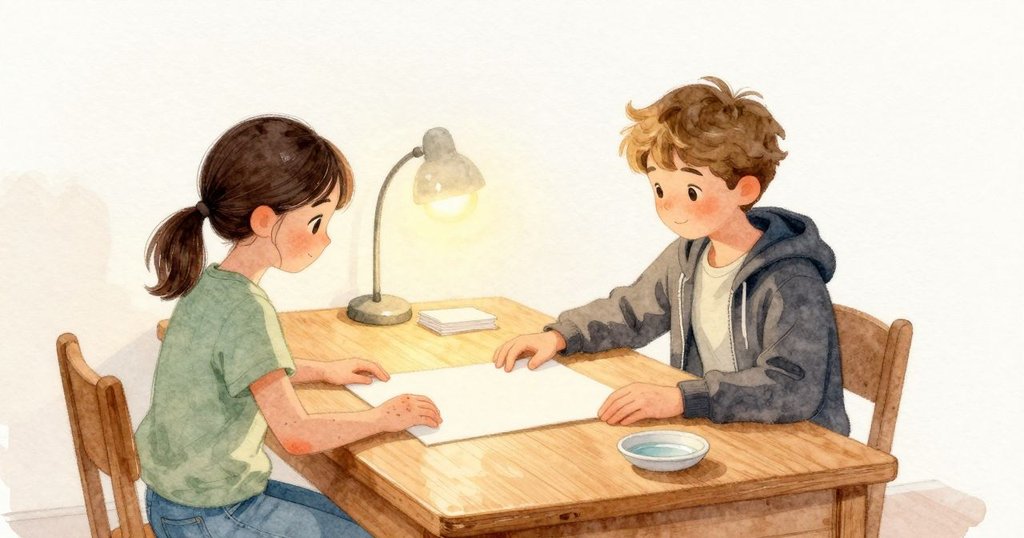
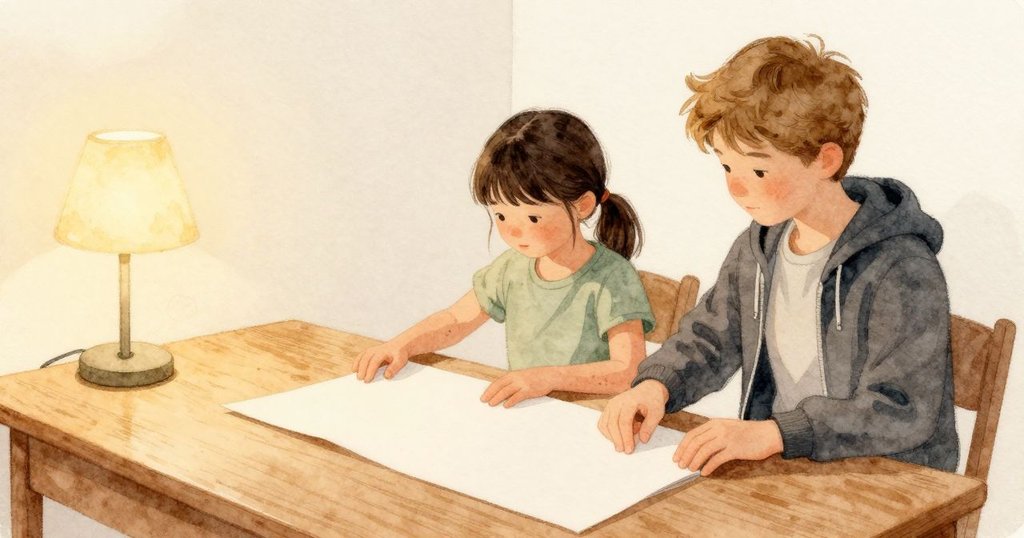
Marnie settled at the wide desk where she had folded countless squares, the lamp pooling steady light over the smooth wood.
Beside the stack, a shallow dish of water waited, and the clean paper scent mixed with the faint warmth from the bulb.
Max unzipped his hoodie a few inches and slid into the chair, his palms flattening the top sheet until its edges aligned.
Their thumbs brushed the corners as a routine greeting, a quiet habit that made the first crease feel ready but still uncommitted.
The room lay familiar, from the scuffed desk edge to the soft rustle each time a sheet turned under a patient hand.
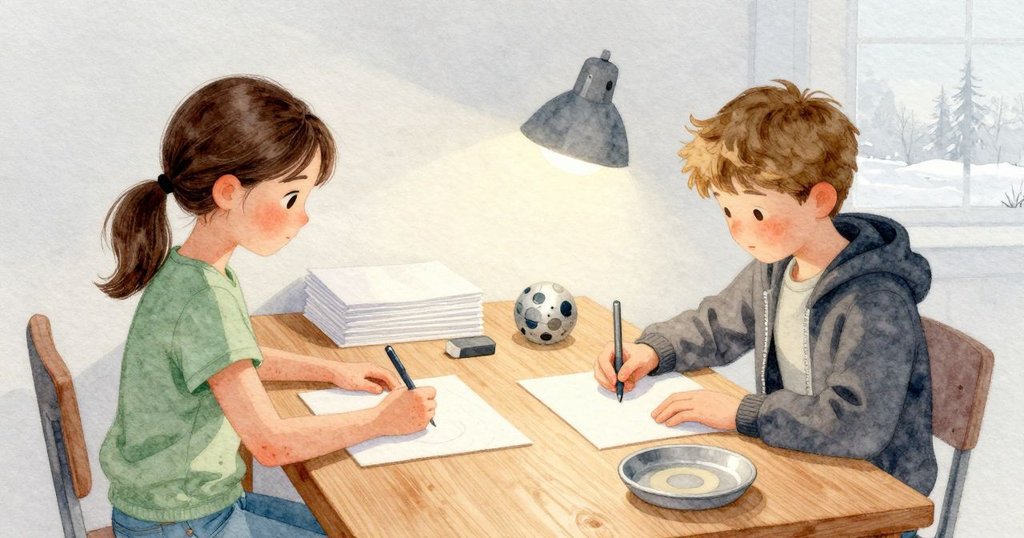
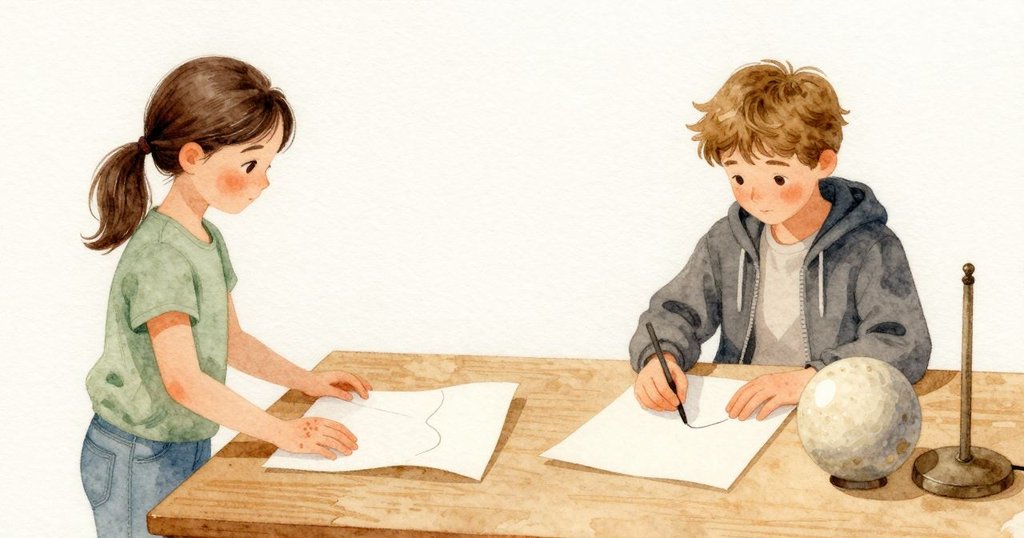
Last winter, the same lamp cast a colder circle, and the paper snapped crisply when folded, the fibers setting with sharp refusal.
A round ball of modular units sat then by the eraser tin, its neat facets swelling together like a small planet.
The water dish left a pale ring that faded slowly, a record of hours when the room stayed cool and the stack thinned.
Marnie paused over a fox pattern then, choosing precise mountain folds, while Max tapped the table to keep a careful count.
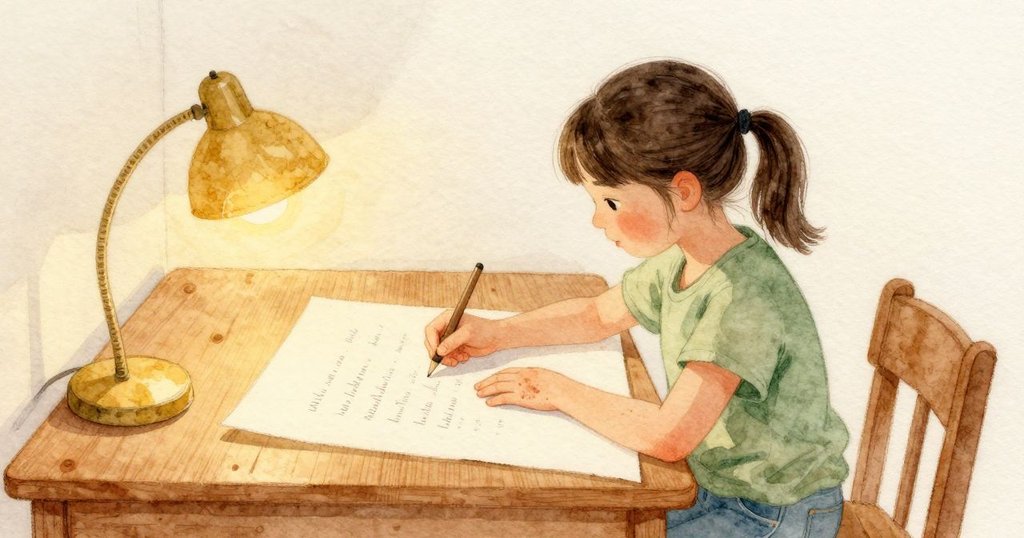
Today the lamp burned warmer, and the room’s air felt thicker on their forearms, so the paper answered with a lower, breathy rustle.
Marnie ran a fingertip across the sheet to read the grain, and the skin caught slightly moving east, then glided cleanly moving north.
She started the fox again, lifting one edge for a cross-grain crease, then stopped halfway as the sound thinned and the edge roughened.
Her hands reversed, re-squaring the sheet, and she rotated it until the fiber lines agreed, then set a slow valley fold with care.
Max’s finger tapped a quiet pulse, small and exact, like a composer marking time before the downbeat, and both thumbs pressed together.
In colder air, they had pressed harder, chasing crisp borders, and across-grain folds once left feathery edges that caught under a thumbnail.
They learned gentle pressure made straighter hinges, and the crease held even when layers multiplied into a stubborn packet beneath the knuckles.
When a curve refused, a wet fingertip darkened a line, and a soft arc formed where a dry sheet had cracked before.
A finished ball waited near the lamp, its seams catching dust, each facet showing the trace of a crease set and never undone.
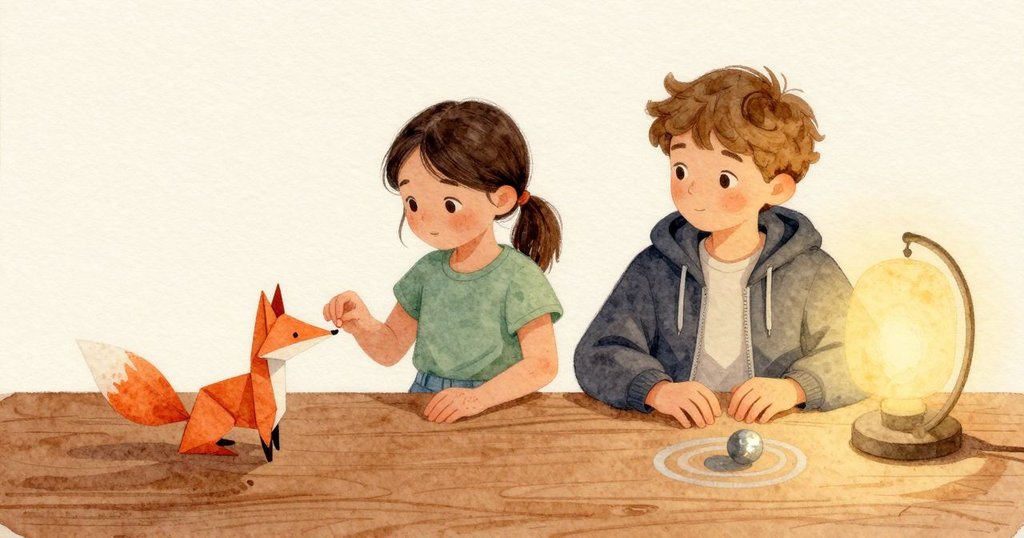
Now the fox grew from the square, layers stacking at the head until the paper thickened, and the tail ended in a spare, straight point.
Marnie dampened the very tip, then coaxed a coiling roll along her nail, a small, frivolous flourish that spiraled neatly and held.
Max leaned back, hoodie open, and the warmer room made the crease sound different, more hush than click, as if the desk breathed slower.
Shadows from the lamp narrowed across the fox’s ridges, and the planet ball’s facets gleamed beside the water ring while the new curl settled.
繁體中文 翻譯
Marnie坐到那張寬桌前,她在這裡摺過無數方紙,檯燈把穩定的光灑在平滑的木面上。
紙堆旁擺著一只淺水碟,清新的紙味和燈泡透出的微暖混在空氣裡。
Max把連帽外套的拉鍊拉開一點,滑進椅子,雙掌把最上面那張紙撫平,直到邊緣對齊。
他們的拇指輕輕掠過四角,像打招呼的習慣動作,讓第一條摺痕看起來已經準備好,卻還沒定下去。
房間的一切都很熟悉,從被磨得發亮的桌邊,到每次翻動紙張時傳來的柔和沙沙聲。
去年冬天,同一盞燈投下一個較冷的圓圈,紙一摺就清脆作響,纖維帶著銳利的抗拒定住。
橡皮擦鐵盒旁曾放著一顆由單元組成的圓球,整齊的面相互鼓起,像一顆小行星的球體。
水碟留下淡淡的一圈印記,慢慢變淺,記下房間保持清涼、紙堆逐漸變薄的那些時光。
那時Marnie停在狐狸的步驟上,挑選精準的山摺,而Max在桌面上輕點節奏,好讓動作保持穩當。
今天燈光更溫熱,室內的空氣貼在他們的前臂上顯得更厚,紙回應的是較低、帶點氣息的沙聲。
Marnie用指尖順著紙面滑過去讀紋,往東時皮膚略被勾住,往北時又順順滑開。
她再次起狐狸的形,掀起一邊準備逆紋摺,走到一半忽然停住,因為聲音變細,邊緣也開始毛糙。
她把手撤回,重新把紙對正,又旋轉到與纖維平行的位置,接著用慢速按下一條穩定的谷摺。
Max的食指敲出安靜而精確的脈點,像作曲家標記拍點一樣,兩隻拇指也同時壓住了線。
在較冷的空氣裡,他們曾經壓得更重,追逐銳利的邊線,逆紋的摺口一度留下像細毛的邊,會卡住指甲。
後來他們發現輕一些的力道能摺出更直的轉軸,就算層層疊起變得頑固,摺痕也依然咬住。
當弧度不配合時,濕指尖先把一條線按暗,柔軟的弧就出現了,而乾紙先前在那裡曾經裂開。
燈旁擺著一顆完成的球,縫隙會攫住灰塵,每一面都顯出一道曾被按下、再也不會展平的摺痕。
此刻狐狸從方形長出,頭部的層次越疊越高,紙體也變厚,尾巴暫時只剩一個俐落的直尖。
Marnie沾濕最末端,沿著指甲輕輕捲出一截盤繞的小卷,這個帶點玩心的點綴整齊旋成一圈並且固定。
Max向後靠著,外套敞開,較暖的室內讓摺痕的聲音不同,沙而不響,彷彿桌面在更慢地呼吸。
燈下的影線在狐狸的稜上變窄,那顆行星般的球體在水痕旁反出微光,而新的小卷安穩待著。
情境單字卡
- coiling
盤繞的、呈螺旋狀的;動詞現在分詞:使…盤繞或蜷曲。
“She teased the dampened tail into a fine, coiling curl that settled neatly against her nail.”
她把微濕的尾端輕輕帶成細緻的螺旋捲,乖巧地貼在指甲邊。
- unzip
拉開拉鍊;把有拉鍊的東西打開。
“He unzipped his hoodie slightly, letting warmer air settle while the paper answered with a hush.”
他把連帽外套微微拉開,讓較暖的空氣落定,紙張回以輕柔的聲音。
- planet
行星;繞恆星運轉的天體,常被用來比喻圓潤完整的球體。
“Beside the water ring, the modular ball swelled together like a tiny planet under the lamp.”
在水痕旁,那顆組合球在燈下鼓起,像一顆小小的行星。
- frivolous
輕巧好看但不必要的;主要是裝飾性的、小小的講究。
“That last curl was a small, frivolous touch, unnecessary yet perfectly right for the fox’s tail.”
最後那一撮小卷是輕巧的點綴,不必須,卻正好適合狐狸的尾巴。
- composer
作曲家;創作音樂的人。
“Max tapped a spare pulse, like a composer counting breaths before the quiet downbeat.”
麥克斯輕敲出簡潔的節拍,像作曲家在靜靜落拍前數著呼吸。
幫我想想
AI 生成教學線索,協助老師延伸故事使用
Story Discussion - Origami Lamp
在這個故事中,作者如何透過聲音來描繪摺紙的質地與環境?請比較冬天與現在(較溫暖)的聲音差異,並說明這些聲音如何影響你對場景的想像。
開放式參考答案
The author contrasts a sharp, crisp snap in winter with a lower, breathy rustle in the warmer present. The winter sound suggests cold, rigid fibers and decisive, forceful folds; the warm-room rustle implies softer fibers, gentler pressure, and a slower, more intimate pace. These auditory cues let the reader imagine temperature, humidity, and the hands’ touch without explicit statements.
Max把連帽外套拉開一點、房間變得溫暖,這個改變直接導致摺痕聲音變化嗎?請回答「是」或「否」,並用一句話解釋理由。
是非題參考答案
Yes. Warmer air and slightly moistened paper make the fibers more pliable, so folds produce a softer, breathier sound instead of a crisp snap.
從文中細節推演:當紙張逆紋(cross-grain)或層數增厚時,他們遇到的問題與每一步的解法是什麼?請列出一個三步的因果鏈(問題 → 嘗試過的解法 → 最終更好結果)。
開放式參考答案
Problem: Cross-grain folding leaves feathery edges that catch under a thumbnail. Attempted fix: They discovered applying gentler pressure and aligning the fold with the grain by rotating the sheet. Final result: The crease becomes a straighter hinge that holds even when layers accumulate. Another chain: Dry paper cracks on arcs → wet fingertip darkens and softens the fold line → a smooth arc forms without cracking.
透過非語言動作(例如拇指輕觸、節奏性敲打、同步按壓),你可以推斷Marnie和Max之間的關係或默契是什麼?請引用故事中的至少兩個具體動作來支持你的推論。
開放式參考答案
Their brief, synchronized gestures (thumbs brushing as a greeting; Max’s tapping pulse like a conductor; simultaneous thumb pressure) show a practiced, quiet teamwork. These repeated, ritualized movements imply long familiarity, mutual trust, and a shared vocabulary of technique rather than verbal instruction.
故事裡那顆由單元組成的圓球(the modular ball)可能象徵什麼?請提出兩種不同的象徵性解讀,並各用一句話說明文本如何支撐該解讀。
開放式參考答案
Interpretation 1: The ball symbolizes completed craft and accumulated labor—the seams catching dust and its finished presence near the lamp suggest past projects and the trace of time. Interpretation 2: The ball serves as a miniature shared world or ritual object—its planet-like image and proximity to the workspace imply a small, contained universe of their collaboration and habit.
作者在句法和節奏上頻繁使用短句、重複動作描述與細節堆疊,這種寫作手法有助於塑造時間感與專注嗎?請回答「是」或「否」,並簡短說明一個關鍵例子。
是非題參考答案
Yes. The repeated short clauses and careful action-by-action details (e.g., aligning edges, thumbs brushing, tapping a pulse) create a measured tempo and the sensation of focused, almost ritualized time passing.
填空:文中描述冬天摺紙時‘紙一摺就清脆作響’;對應的英文動詞是:_______
填空題參考答案
snapped
Role Play - The Cross-Grain Pause
情境
Marnie和Max坐在那盞檯燈下的寬桌前,紙堆、淺水碟和那顆行星般的球就放在手邊。當Marnie在摺狐狸的逆紋時,紙邊忽然變得毛糙,摺紙的聲音也變細,她把手撤回,重新對正纖維線。現在兩人需要在燈光和水痕的映照下共同決定下一步:換方向摺、放輕力道、還是用濕指尖輔助形成柔和的弧度。這個角色扮演練習要求學生在當下用英語描述觸覺與聲音的變化、提出具體操作建議,並協調動作以完成那一小段關鍵摺法。
角色
開場白建議
- •“The edge just started to fray when I tried to fold across the grain — I heard the sound thin out. Should I rotate the paper or try a gentler crease?”
- •“I can dampen the tip and roll it along my nail to make a smooth arc like before. Do you want me to try that while you hold the layers steady?”
Creative Writing - Parallel Branch with One Small Change
寫作提示
分支方向:平行分支(改變一個小變量)。想像同一間房、同一張寬桌,同樣的燈、紙堆、狐狸摺與那顆行星球體,但有一個細微變化:水碟不在了(或裡面已乾)。請用英文寫一段約150字的延伸片段,保留故事中的角色與物件(Marnie, Max, lamp, desk, paper, fox, ball, eraser tin),描述他們如何因為沒有水而調整摺紙的手勢、聲音與節奏。重點放在感官細節(光線如何落在紙面、紙的紋理與摺痕聲、指尖的觸感)以及微小因果——一個沒有水的小變化,如何改變一個摺紙時刻的氛圍與結果。保持原故事的語氣與節奏,使用具體具象的描寫,不要改變場景或角色身份。
詞彙庫
寫作輔助
- • Begin by noting the missing water dish and the first small adjustment either character makes.
- • Describe how the lamp's light falls on the paper now; focus on texture and sound.
- • Show (don't tell) how their fingers move differently without dampening: gestures, pressure, pauses.
- • End with a concrete image that shows the new result on the fox or the ball.
- • Example continuation (approx. 150 words): Marnie reached instinctively for the shallow dish and found only the pale ring it had left behind. For a moment the room held its breath; the lamp pooled steady light as always, but the paper answered differently. Without the small, wet touch that usually softened edges, her valley folds came with a hushed resistance, the grain tugging back where a smooth arc might have been. She adapted by turning the square against the fiber, coaxing each hinge with a slower thumb and a fingertip that skimmed instead of moistening. Max slowed his rhythm to match, tapping once and then waiting as if listening for permission. Where they would have rolled a tiny curled tip, the paper stayed straighter, the fox’s tail a firmer point. The finished facet near the lamp picked up less dust now; its seams were quieter, neat in a different way, as if the room had learned a softer patience in place of the water’s quick mercy.
Vocabulary & Grammar Focus
重點單字
desk
書桌;故事中指那張寬闊且平滑的木桌,是摺紙活動發生的主要工作面。
Marnie sat at the wide desk where countless folded squares marked the smooth wood.
lamp
檯燈;投射穩定光暈、改變房間溫度感與影線的重要光源。
The lamp pooled steady light over the desk, warming the paper beside the water dish.
dish
淺碟;盛水的小碟子,用來濕指以便在某些摺痕處柔化紙張。
A shallow dish of water rested beside the stack, leaving a pale ring later.
grain
紋理;紙張的纖維走向,影響摺痕如何形成與手指觸摸時的阻力。
She read the paper's grain with a fingertip, feeling it catch slightly as it moved east.
crease
摺痕;用力按下或折出的線,決定紙件的輪廓與結構穩定性。
Their thumbs brushed the corners, a routine greeting that made the first crease feel ready yet uncommitted.
fold
摺;把紙折成形的動作或手法,如文中提到的山摺、谷摺或逆紋摺法。
She started the fox again, lifting one edge to make a precise cross-grain fold.
facets
小面;球體或模組球上整齊的面,每一面都顯示出摺痕與光影痕跡。
A round ball's neat facets swelled together like a tiny planet beside the eraser tin.
dampened
微濕(動作);輕輕弄濕紙的末端以便形成柔軟或連續的曲線。
Marnie dampened the very tip before coaxing a coiling roll along her nail.
coil
捲圈;沿著指甲捲出的小卷,作為裝飾性或固定形狀的精巧動作。
She coaxed a coiling roll along her nail, a small frivolous flourish that spiraled neatly.
文法重點
本章重點觀察英文中以分詞短語或絕對構句(absolute construction)來壓縮同時發生的動作或描寫氛圍的用法。故事多處使用非限定分詞或名詞加分詞的結構,例如 “the fibers setting with sharp refusal” 和 “the paper snapped crisply when folded”。這類結構能用較少的字描述伴隨狀態或背景,常用來營造即時感或省略顯式主詞與連詞。教學上可示範兩向轉換:一是把絕對構句/分詞短語展開為完整的從句(例如將 “the fibers setting with sharp refusal” 改為 “and the fibers set with sharp refusal” 或 “and the fibers set as they refused”),二是把完整從句壓縮為分詞短語以增加語篇凝聚力。指出標點(逗號)如何分隔主句與這類附加信息,以及在節奏和語氣上的效果差異,讓學生操練擴展與縮短句子,觀察信息包裝對氛圍的影響。
練習題
Their thumbs brushed the corners as a routine greeting, making the first ___ feel ready but uncommitted.
參考答案
crease
配對以下單字與意思:
顯示答案
A-7B-6C-8D-9E-5F-4G-3H-1I-2
Last winter, the same lamp cast a colder circle, and the paper snapped crisply when folded, the fibers setting with sharp refusal.
參考答案
Last winter, the same lamp cast a colder circle, and the paper snapped crisply when it was folded, and the fibers set with sharp refusal.
Cultural Connection - 水碟與沾濕技巧
主題
水碟與沾濕技巧
討論要點
- •故事中桌邊擺著一只淺水碟,Marnie有時會用濕指尖在紙上按暗一條線以促成柔和弧度。回想你做手作或摺紙的經驗:你是否也用過水(例如濕指、噴霧、小刷子)來調整材料?在什麼情況下你會這樣做?
- •故事裡水碟留下的淡淡水痕像是時間的記錄;同時燈光與室溫改變了紙張的聲音與回應。你所在的環境(季節、室內溫度或濕度)是否會改變你處理紙張或其他材料的方法?可以舉一個具體例子說明。
- •在文本裡,沾水的動作既是技術也是一種微小的儀式(和拇指互碰的習慣一樣)。討論:把水放在工作桌邊,對你來說更像是一種工具性的必需,還是一種維持工作節奏和關係的習慣?為什麼?
文化比較
在故事所描繪的英語語境中,摺紙工作臺上擺著一只淺水碟,使用者用濕指尖局部軟化紙纖維,讓弧度圓順,水痕也成為工作時光的可見痕跡;故事同時強調季節與燈光如何改變紙張的聲響與摺法選擇。相比之下,在繁體中文社群的日常手作場合,大家常見的做法會因地理氣候與習慣而有差異:在濕熱的環境裡,紙張本身較為柔軟,創作者可能較少頻繁沾水,而會以小噴壺或濕布做整體調節;在較乾的季節或教室活動中,老師或工坊也常準備毛筆沾水或小紙巾來協助細部操作。此外,桌上的水痕在本地語境裡常與茶杯圈、書寫時的墨痕相呼應,既是工具使用的痕跡,也是日常生活與工作重疊的證據;因此,同一個「用水處理材料」的動作,在故事裡更多被寫成親密的技術與時間記錄,在繁體中文社群裡則可能同時被視為一種環境調節的習慣或與飲茶、書寫等日常行為並存的桌面文化。
Comprehension Quiz
1. Where did Marnie settle to fold paper?
2. What was beside the stack of paper?
3. How did their thumbs meet when they began folding?
4. Compared to last winter, how did the paper respond to folds in the warmer room?
5. What did Max do with his hoodie when he sat down?
6. When a curve refused while folding, what technique produced a soft arc?
7. What object sat by the eraser tin in the earlier scene?
8. How did Marnie create the small decorative curl at the fox's tail?
推薦閱讀
Paper Crane Wing Pauses at a Smudge
Moving Light Over an Unfinished Crane
A Damp Sheet Changes the Origami Desk
Garland Above an Empty Chair
The Water Bead and the Paper Crane
The Snap of a Paper Sphere
Paper Tower and the Hidden Frog
Hidden Delta Line on the Paper Crane
From Hidden Dent to Paper Crane
Origami Viewport Over the Desk’s Worn Rectangle
When a Damp Crescent Became an Origami Cuttlefish Fin